10 Essential Tips for Successful Machine Moulding of Bricks?
In the construction industry, the "Machine Moulding Of Bricks" process plays a pivotal role in producing high-quality bricks efficiently. Renowned expert John Smith, known for his extensive work in brick manufacturing, once stated, "Effective machine moulding can significantly enhance production while ensuring consistency in quality." This underscores the importance of mastering the techniques involved in this process.
For many, machine moulding represents a blend of art and science. The intricacies of adjusting pressure, moisture levels, and mould shapes can determine the longevity and durability of the bricks produced. Each variable requires careful consideration and constant adjustment. Skilled operators not only need technical knowledge but also a keen eye for detail.
However, despite technological advancements, challenges remain. Many in the industry struggle with achieving uniformity and minimizing waste. This calls for a continuous evaluation of methods and materials used in the "Machine Moulding Of Bricks." Embracing both innovative practices and traditional wisdom is key to overcoming these hurdles and ensuring success in brick production.
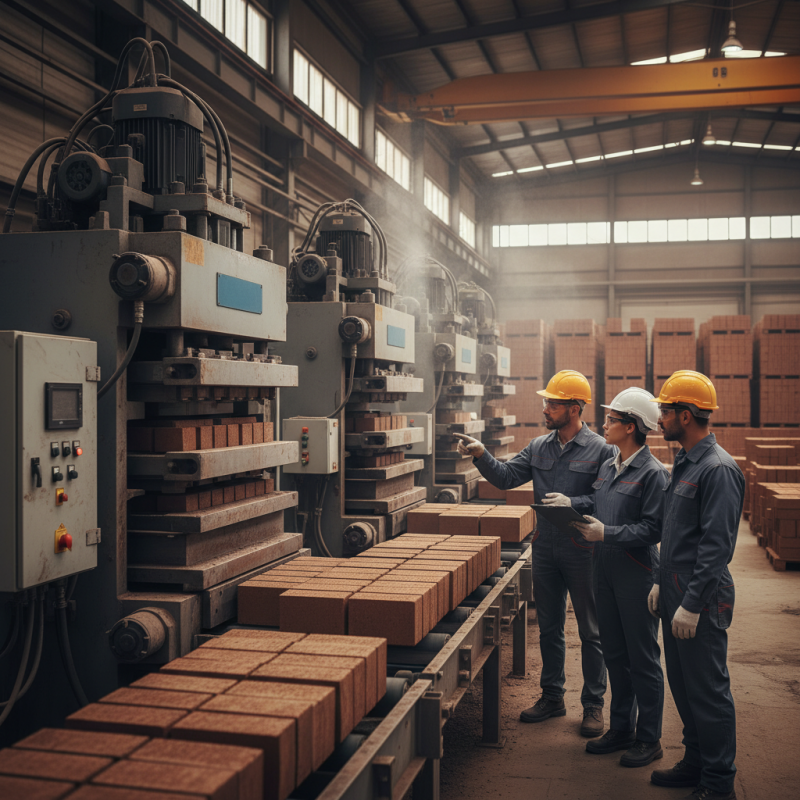
Key Factors Influencing the Quality of Machine-Moulded Bricks
The quality of machine-moulded bricks largely depends on several key factors during production. One significant aspect is the consistency of raw materials. According to a study by the Brick Industry Association, using materials with uniform properties can increase the durability of bricks by up to 30%. Variability in clay composition can lead to inconsistent shrinkage rates, affecting the final product.
Water content is another critical factor that influences brick molding quality. A report from the International Journal of Advanced Research indicates that moisture levels should be meticulously controlled. Variations can result in defects, such as cracks or weak spots. Maintaining optimal water levels, ideally around 12-15%, can enhance the compressive strength of bricks by up to 25%. However, achieving this balance can be challenging.
The speed of the molding process also plays a role. Research highlights that faster speeds can lead to insufficient compaction, which may compromise brick integrity. Operators need to find a sweet spot in speed to ensure proper density without sacrificing quality. Continuous evaluation of these factors can lead to improved outputs, yet many manufacturers struggle with consistency. Investing in better monitoring technologies could address these challenges.
Optimal Raw Material Selection for Enhanced Brick Durability
Selecting the right raw materials is crucial for enhancing the durability of bricks. Clay is often the primary component. Its plasticity allows for effective moulding during production. However, not all clay types are suitable. Some may have high shrinkage rates, leading to cracks in the final product. Fire clay, for example, offers improved strength and resistance to heat, making it a more reliable choice.
In addition to clay, incorporating other materials can greatly impact brick durability. Adding sand increases the brick's bulk and decreases shrinkage. However, too much sand can compromise structural strength. Additionally, organic additives can aid in attaining even better flexibility. It’s advisable to conduct tests on various mixtures to find the optimal balance.
Understanding the local environment is also vital. The chemical composition of local clay and soil can vary significantly. Analyzing this can help refine material selection. Always keep track of the source and properties of raw materials. Reflecting on prior projects can shed light on improvements needed for future batches. This iterative process is essential for achieving consistently high-quality bricks.
The Importance of Controlled Humidity in Brick Manufacturing
Controlled humidity plays a crucial role in brick manufacturing, particularly during the machine moulding phase. Maintaining an optimal moisture level ensures consistency in the final product. Overly moist conditions can lead to weak bricks, while low humidity can cause cracking. Achieving balanced humidity requires close monitoring in production facilities.
Here are some essential tips for successful machine moulding of bricks. First, invest in a reliable hygrometer to measure humidity accurately. Regular checks can help you adjust conditions as needed. Secondly, ensure proper ventilation in the molding area. Stagnant air can trap moisture, affecting the molding process. Finally, adjust the mixture of clay and water according to humidity levels. This practice is often overlooked but significantly impacts brick quality.
Remember, no process is perfect. It’s common to encounter variations in humidity that affect production. Observing how these fluctuations impact brick characteristics can lead to better practices. Always be open to experimenting and refining your techniques based on real-world conditions.
Understanding Pressing Techniques to Maximize Moulding Efficiency
Understanding the pressing techniques in machine moulding is crucial for enhancing brick production. A proper pressing technique ensures uniform density and reduces defects in the final product. Adjusting the pressure can significantly impact the moulding process. Using optimal pressure helps in achieving the desired brick strength and durability. Insufficient pressure may lead to weak bricks, while excessive pressure can cause cracks.
Tip: Always monitor the moisture content of the clay. This factor influences the amount of pressure needed during moulding. Wet clay requires less pressure, while drier clay needs more. Striking the right balance is essential.
Another important aspect is the pressing speed. Adjusting the speed can allow for better compaction. A slower pressing speed often results in better density but may slow down production. Finding the right speed is often trial and error. Watch for inconsistencies in the bricks created and adjust accordingly.
Tip: Keep the moulding equipment clean. Residual clay buildup can affect the quality of the blocks. Regularly cleaning ensures smooth operation and reduces defects. Regular maintenance can be easily overlooked but is key to sustaining efficiency.
Quality Assurance Measures in Machine Moulding Processes for Bricks
Quality assurance in machine moulding processes for bricks is crucial. It impacts both product durability and performance. Regular checks of the raw materials ensure uniformity. Inconsistent materials can lead to weak final products. Operators must be trained on the specifics of moulding machines. This knowledge minimizes errors during production.
Testing the brick samples is another essential step. Compression tests reveal how well they can withstand pressure. Visual inspections detect surface defects. These practices safeguard against costly defects in large batches. Machine calibration is key to maintaining quality. Even minor adjustments can significantly influence the end result.
Reflecting on past mistakes is vital. Sometimes, the moulding process may produce unexpected results. Analyzing these outcomes helps improve future practices. Gathering feedback from the production team can uncover overlooked issues. This collaborative approach fosters a culture of continuous improvement. Prioritizing quality ensures the final product meets industry standards.
10 Essential Tips for Successful Machine Moulding of Bricks
| Tip | Description | Importance | Quality Assurance Measure |
| 1. Material Selection | Choose the right type of clay and additives to ensure durability. | High | Conduct material quality tests. |
| 2. Machine Calibration | Ensure machines are properly calibrated for consistent moulding. | Critical | Regular calibration checks. |
| 3. Mould Maintenance | Maintain moulds to prevent degradation and inconsistencies. | High | Conduct routine inspections. |
| 4. Temperature Control | Monitor and control the temperature during the drying process. | Moderate | Use temperature sensors. |
| 5. Quality Checks | Perform regular quality checks on the output. | Critical | Implement a checklist system. |
| 6. Skilled Workforce | Invest in training for workers to handle machines effectively. | High | Conduct training and workshops. |
| 7. Process Automation | Automate processes to reduce human error. | Moderate | Use automated control systems. |
| 8. Efficient Drying | Implement efficient drying techniques to enhance quality. | High | Monitor drying rates. |
| 9. Waste Management | Implement effective waste management procedures. | Moderate | Recycling waste materials. |
| 10. Continuous Improvement | Regularly review and improve the moulding processes. | High | Adopt a culture of feedback and innovation. |