10 Essential Tips for Choosing the Right Fire Valve for Safety
Selecting the right fire valve is crucial for enhancing safety in various applications. According to a recent report by the Fire Safety Equipment Association, improper selection can lead to significant safety hazards, resulting in costs exceeding millions annually. Notably, industry expert Dr. Jane Thompson emphasizes, "A well-chosen fire valve is the backbone of fire protection systems."
The market for fire valves is expanding, driven by rising safety regulations. In 2022, the global fire valve market was valued at over $500 million, increasing every year. However, challenges persist; many facilities still overlook critical aspects when selecting fire valves. Some fail to consider certifications such as ISO or CE, which directly impacts safety performance.
Incorporating advanced technologies can improve the selection process. For instance, AI can streamline supplier searches, enhancing decision-making. However, reliance on technology alone may lead to oversights. A thorough understanding of fire valve specifications and applications remains essential for securing safety. A balance between technology and expertise is vital in this critical field.

Understanding the Importance of Fire Valves in Safety Systems
Fire valves play a crucial role in safety systems. They control the flow of water in firefighting operations. A well-functioning fire valve can mean the difference between life and death during emergencies. Their reliability ensures that sprinkler systems activate when needed. Yet, not all fire valves are equal. The importance of selecting the right one cannot be overstated. Many overlook this when planning fire safety.
Consider installation locations. Fire valves should be easily accessible. They should also withstand environmental factors, such as temperature changes. Delaying maintenance can lead to failures at critical moments. Regular checks should be routine, but often they aren’t. This oversight can pose serious risks. Improper installation might cause leaks or malfunctions.
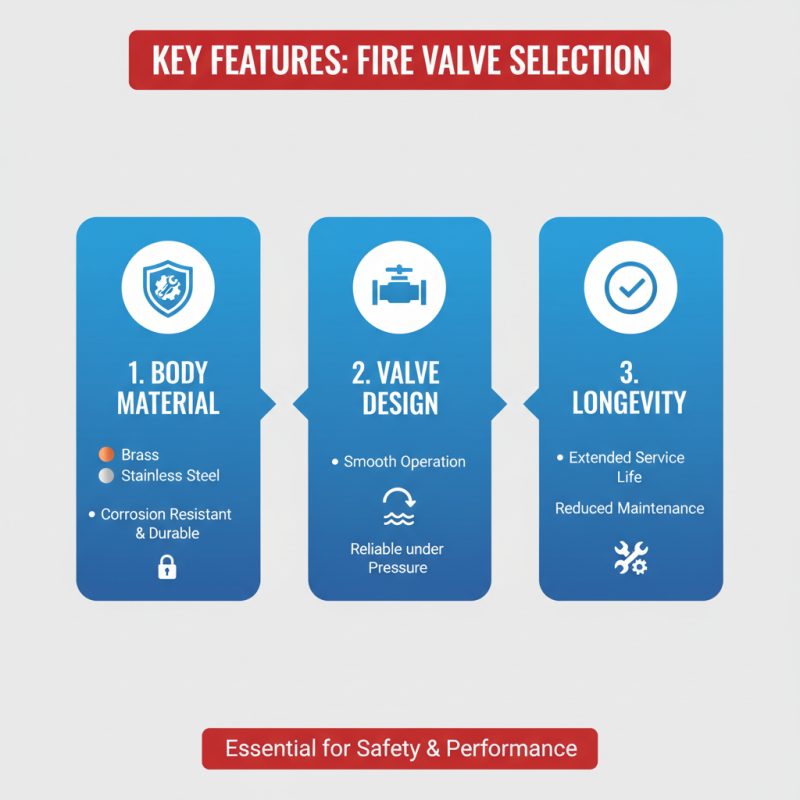
Moreover, materials matter. Some valves resist corrosion better than others. This is vital for ensuring longevity and reliability. Always assess the surrounding environment. Is it humid, or does it dry out? Understanding these conditions is essential in making informed choices. Remember, a vulnerable fire valve can compromise the entire safety system.
Assessing Industry Standards and Certifications for Fire Valves
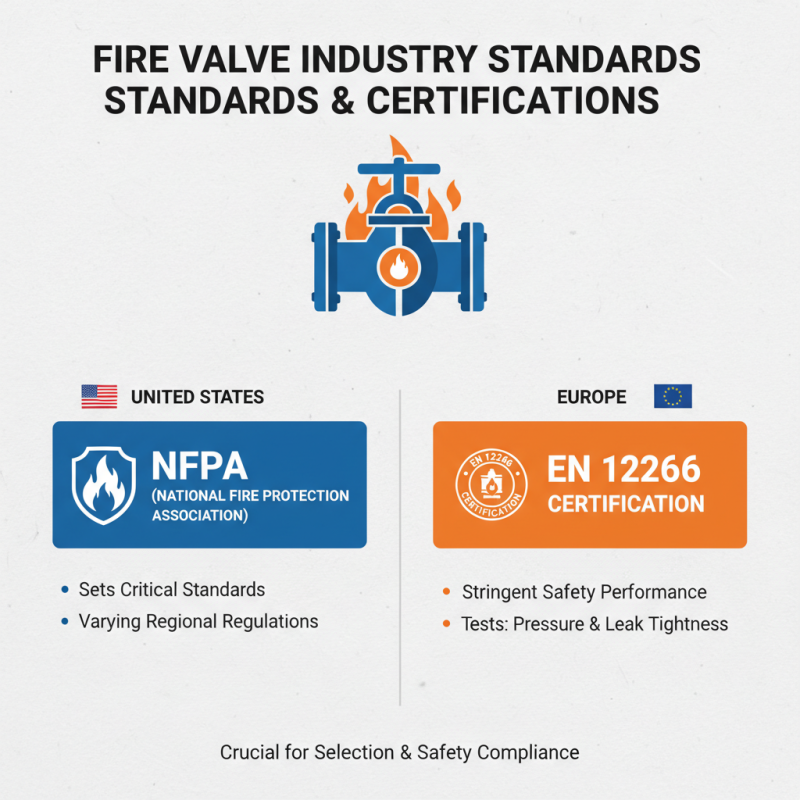
When selecting a fire valve, understanding industry standards is crucial. Different regions have varying regulations. For instance, in the United States, the National Fire Protection Association (NFPA) sets critical standards. In Europe, the EN 12266 certification is essential. This certification ensures the valve meets stringent safety performance criteria. It includes tests for pressure resistance and leak tightness.
While assessing certifications, one should also consider the materials used. Many valves are made from brass or stainless steel. According to a recent report from the Fire Protection Research Foundation, valves made from corrosion-resistant materials show 30% longer service life compared to their standard counterparts. This longevity is essential in ensuring safety over time.
However, not all products meet these certifications. Some manufacturers may cut corners to save costs. This could pose severe risks. It's advisable to request documentation proving compliance with relevant standards. Bypassing this step can result in unexpected failures during critical moments. Always verify the credibility of the certification before making a purchase.
Evaluating the Compatibility of Fire Valves with Existing Systems
Choosing the right fire valve is critical for safety. Compatibility with existing systems can often be overlooked. Misalignment can lead to serious hazards. It’s essential to evaluate the dimensions and specifications. A valve that fits perfectly can significantly enhance system efficiency.
Consider the materials used in your current system. Are they compatible with the proposed valve? Different materials can react poorly. Corrosion or leaks may occur, creating vulnerabilities. Measurements should be precise, ensuring seamless integration. If there's uncertainty, consulting a professional is wise.
Review installation guidelines from manufacturers. Sometimes, they appear straightforward but can be misleading. Misinterpretation leads to flaws in installation. Even small errors can impact safety. Engage your maintenance team early in the process. Their insights can avoid potential pitfalls and enhance compatibility.
Maintenance and Inspection Guidelines for Fire Valve Safety
When it comes to fire valve safety, regular maintenance and inspection are crucial. Fire valves are key components in controlling fire suppression systems. Without proper care, they can fail when needed most. Set a schedule for routine checks. Inspect valves for leaks and corrosion. A small rust spot might indicate a bigger issue.
Another essential tip is to ensure all components are operational. Sometimes, parts wear out or become damaged. Don’t ignore warning signs. A valve that feels difficult to operate may have underlying problems. Regularly exercising the valve can help identify issues early.
Documentation is vital. Keep records of all inspections and maintenance. It provides a history of the valve's condition and any repairs made. This information can help inform future actions. Lastly, don’t hesitate to seek professional help if you notice anything unusual. Ignoring potential problems can lead to major safety hazards. Safety should never be compromised.
Fire Valve Safety Assessment Factors
This chart represents the key factors to consider when assessing fire valves for safety, including flow rates, pressure ratings, installation costs, maintenance frequency, and lifespan.