Essential Safety Valve Tips for Global Buyers How to Choose?
Choosing the right safety valve is crucial for global buyers in the industrial sector. According to a report by Global Market Insights, the safety valve market is projected to reach $5 billion by 2027, highlighting its importance. Industry expert Dr. Michael Anderson, a leading figure in safety system design, emphasizes, “A reliable safety valve can prevent catastrophic failures and save lives.”
Selecting an effective safety valve involves understanding specifications. Buyers must consider factors such as pressure ratings, materials, and certifications. Misjudging these aspects can lead to operational hazards and financial losses. While many options exist, not all meet rigorous safety standards. Recognizing reputable manufacturers becomes essential in this crowded market.
Furthermore, understanding compliance with international regulations is vital. Buyers often overlook these details, leading to poor decisions. The safety valve must fit seamlessly into existing systems. Ignoring this can create vulnerabilities in the safety framework. Investing time in research pays off, as selecting the wrong valve could have significant consequences.

Understanding the Purpose of Safety Valves in Industrial Applications
Safety valves play a crucial role in industrial applications. They help protect equipment from excessive pressure and ensure safe operations. Without these valves, systems can fail, leading to disastrous consequences. Many industries rely on them, from oil to pharmaceuticals.
Understanding how safety valves operate is essential. These devices automatically release pressure when it exceeds safe limits. This function prevents equipment damage and protects workers. However, not all safety valves are created equal. Factors like material, size, and design must be carefully considered.
Choosing the right safety valve can be challenging. Inadequate selection may lead to safety hazards. It’s important to consult experts and assess specific requirements. Consider the environment where the valve will be used. This reflects the valve's performance under various conditions. Gaining insights from experienced professionals can help make informed choices.
Essential Safety Valve Tips for Global Buyers
| Safety Valve Type |
Purpose |
Common Applications |
Key Features |
Selecting Criteria |
| Spring-Loaded Safety Valve |
To release excess pressure |
Boilers, Pressure Vessels |
Quick response, Adjustable settings |
Set pressure, Flow capacity |
| Pilot Operated Safety Valve |
To control pressure in system |
Gas and Oil Industry |
Enhanced performance at high pressure |
Fluid type, Pressure rating |
| Ball Type Safety Valve |
To prevent backflow |
Chemical Industries |
Minimal leakage, Reliable closure |
Size, Material compatibility |
| Safety Relief Valve |
To relieve overpressure |
HVAC, Air Compressors |
High capacity, Fast opening |
Pressure settings, Flow rate |
Key Factors to Consider When Selecting Safety Valves for Your Needs
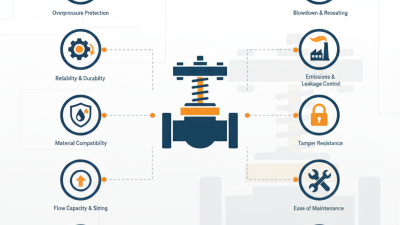
When selecting safety valves, key factors come into play. Understanding the specific application is crucial. Consider the medium involved, be it gas, liquid, or steam. Each type demands different materials and designs. Corrosion resistance may be vital for chemical applications. Ensure that the valve can handle the temperature and pressure of your system.
Another important element is the valve size. An improperly sized valve can lead to system failures. It’s essential to review flow requirements and ensure the valve meets them. Working with sizing charts from reputable sources can greatly help, although they may not always reflect real-world conditions.
Regulatory compliance is also a factor buyers often overlook. Make sure the safety valve adheres to relevant industry standards. This ensures reliability and safety in operation. In the long run, investing in quality over cost can save significant expenses. Each component plays a role in the overall efficiency and safety of your system.
Types of Safety Valves: A Comprehensive Overview for Buyers
When considering safety valves, understanding the types available is critical for making the right choice. Safety valves mainly fall into two categories: pressure relief valves and safety relief valves. Pressure relief valves are designed to open at a set pressure to prevent over-pressurization. These valves are common in various industries, including oil and gas, chemicals, and manufacturing.
Safety relief valves, on the other hand, serve a dual purpose. They can handle both liquid and gas applications. This versatility is essential for buyers needing a valve that can adapt to various situations. When selecting a safety valve, consider factors like the pressure range, temperature limits, and the fluid type. These specifications will help narrow your options significantly.
Buyers should also be aware of how installation and maintenance vary among valve types. Some require less frequent maintenance, while others may need regular checks to ensure proper functionality. A thorough understanding of these differences can influence long-term reliability. Always consult the product documentation for installation guidelines. The right choice can lead to safer operations and reduced downtime.
Material Selection: What to Look for in Safety Valve Construction
When selecting a safety valve, material choice is crucial. The construction materials directly impact the valve's performance, reliability, and lifespan. Common materials include stainless steel, carbon steel, and special alloys, each suited for different environments. According to industry reports, approximately 60% of valve failures are attributed to corrosion or material fatigue. This highlights the importance of choosing the right material for your specific application.
For high-temperature and high-pressure applications, stainless steel is often recommended due to its durability and resistance to corrosion. Carbon steel, while more cost-effective, may not withstand extreme conditions, leading to premature failure. In critical applications, investing in specialized alloys can mean the difference between safety and disaster. Studies indicate that using unsuitable materials can lead to failure rates exceeding 30%, causing operational downtime and safety risks.
Consider the operating environment when assessing materials. Chemical exposure, temperature fluctuations, and pressure variations can affect material integrity. For instance, in acidic environments, specialized coatings or corrosion-resistant alloys are necessary. It's essential to analyze these factors critically. Relying solely on cost considerations may overlook long-term safety and reliability. Regular inspections can also reveal weaknesses in material performance, ensuring optimal operation.
Navigating Compliance Standards and Regulations for Safety Valves
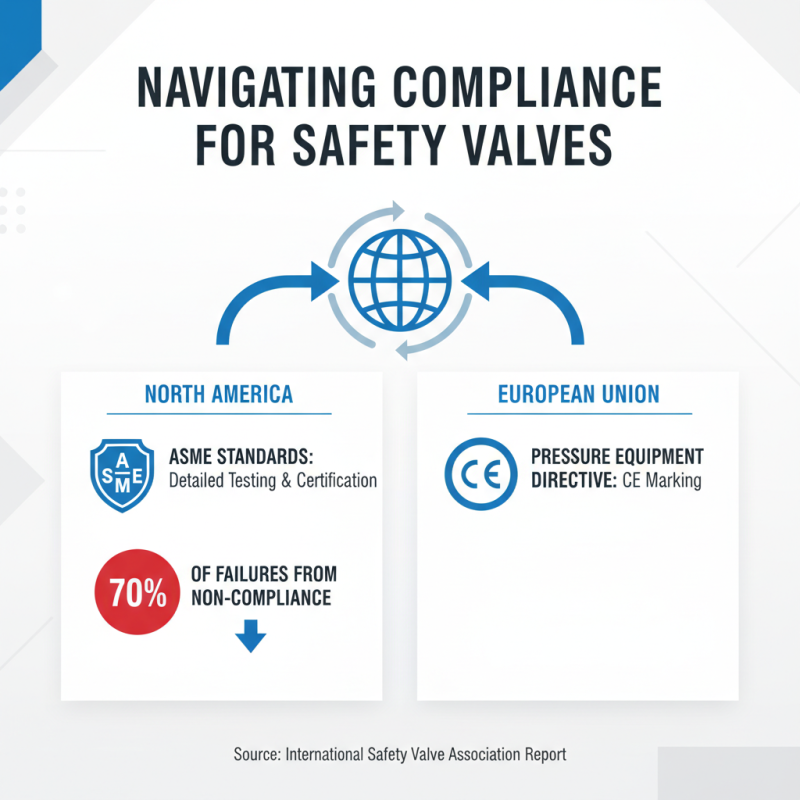
When navigating compliance standards for safety valves, understanding regional regulations is vital. According to a recent report by the International Safety Valve Association, over 70% of safety valve failures result from non-compliance. Different regions have specific requirements. For example, the ASME (American Society of Mechanical Engineers) standards dictate detailed testing and certification processes in North America. Meanwhile, the European Union follows the Pressure Equipment Directive, which emphasizes CE marking.
Inadequate knowledge of local compliance can lead to serious issues. The National Fire Protection Association states that improper installation can increase the risk of failure by nearly 60%. This highlights the importance of thorough research. Reliable sources indicate that global buyers often overlook these regulations, leading to costly mistakes. It's essential to consult with industry experts and legal advisors to navigate this complex landscape.
Furthermore, documentation plays a crucial role in compliance. Buyers should always request certified test results and production quality standards. A checklist can be useful when assessing suppliers. The failure to address these aspects could result in significant liability. Understanding compliance is not just beneficial; it's essential for operational safety and industry integrity.