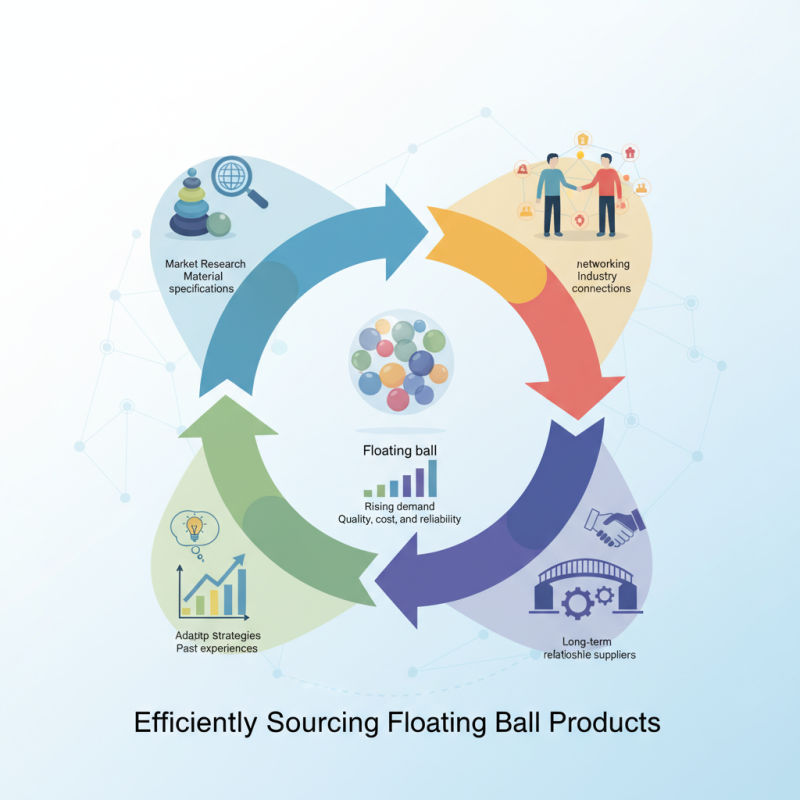
Sourcing floating ball products can be a challenging process. The demand for these items continues to rise across various industries. Buyers often face obstacles in ensuring quality, cost, and supplier reliability.
Floating balls, commonly used in water-related activities, require careful consideration. It's essential to prioritize suppliers with proven experience in manufacturing these products. Conducting thorough market research can lead to effective sourcing strategies. Buyers should understand material specifications, size options, and design variations to make informed choices.
Many experienced professionals suggest networking within industry circles. Engaging with trade shows and online forums can provide valuable insights. However, organizations frequently underestimate the importance of building long-term relationships with suppliers. Reflecting on past sourcing experiences can highlight areas for improvement. Adapting sourcing strategies based on these reflections can lead to better outcomes.
Floating ball products are versatile tools used across various industries. Their design allows them to float effortlessly on liquids, making them ideal for applications such as fluid level monitoring, aeration in aquaculture, and even as decorative elements in water features. These products help ensure efficient fluid management and can enhance aesthetic appeal in pools or gardens.
In a professional setting, sourcing floating ball products requires understanding their unique specifications. The materials used are critical—some are designed for durability, while others focus on buoyancy. Consider the weight, size, and intended application when choosing. It's essential to assess the supplier's credibility and the product's compliance with industry standards.
Not all floating balls are created equal; some might not perform as expected in specific environments. Testing samples before bulk purchasing can prevent costly mistakes and ensure reliability.
With increasing demand, the market is filled with options. However, navigating this landscape can be complex. Many products might look similar but vary significantly in performance. Relying on well-documented reviews and sourcing guides can help refine choices but always question the information's authenticity.
The best decisions stem from a mix of solid research and practical experience in the field. Reflecting on previous sourcing decisions can guide future purchases for better outcomes.

Finding reliable suppliers for floating ball products can be challenging. Begin by exploring online marketplaces and trade platforms known for their extensive supplier networks. Check reviews and ratings to gauge supplier reliability. Engage in direct communication. Ask specific questions about their production methods, delivery times, and quality control practices. This establishes a rapport and allows you to assess their professionalism.
Consider attending industry trade shows to meet suppliers face-to-face. This could provide insights into their operations that online research may not reveal. Look for manufacturers who focus on innovation and quality. Request product samples before making larger orders. This allows you to evaluate the floating balls firsthand. Sometimes, suppliers might overpromise; always verify their claims.
Don’t overlook asking for references from previous buyers. Genuine suppliers should be willing to connect you with clients. This step can help you gauge their reliability. Be cautious of deals that seem too good to be true. Balancing cost and quality is crucial in sourcing. Remember, the trust-building process takes time. Keep an open mind and be prepared for setbacks as you navigate supplier relationships.
When sourcing floating ball products, evaluating quality standards is crucial. Quality often determines the durability and performance of these products. According to a recent industry report, over 40% of floating ball failures are linked to poor manufacturing quality. This statistic highlights the necessity for thorough quality assessment.
Testing materials used in production is essential. For instance, high-density polyethylene (HDPE) is often preferred for its strength and resistance to UV light. Not all suppliers adhere to stringent standards for materials, which can lead to inconsistent product quality. Look for manufacturers who conduct regular quality checks. They should be able to provide certifications from recognized authorities.
Another key factor is understanding the intended use of the floating balls. Different applications may require specific design features. For example, balls designed for pools must meet safety regulations to prevent accidents. Ensure that any supplier can demonstrate compliance with industry standards. This not only builds trust but also reduces potential liability. The floating ball market is competitive, and maintaining quality should be a top priority for any sourcing strategy.
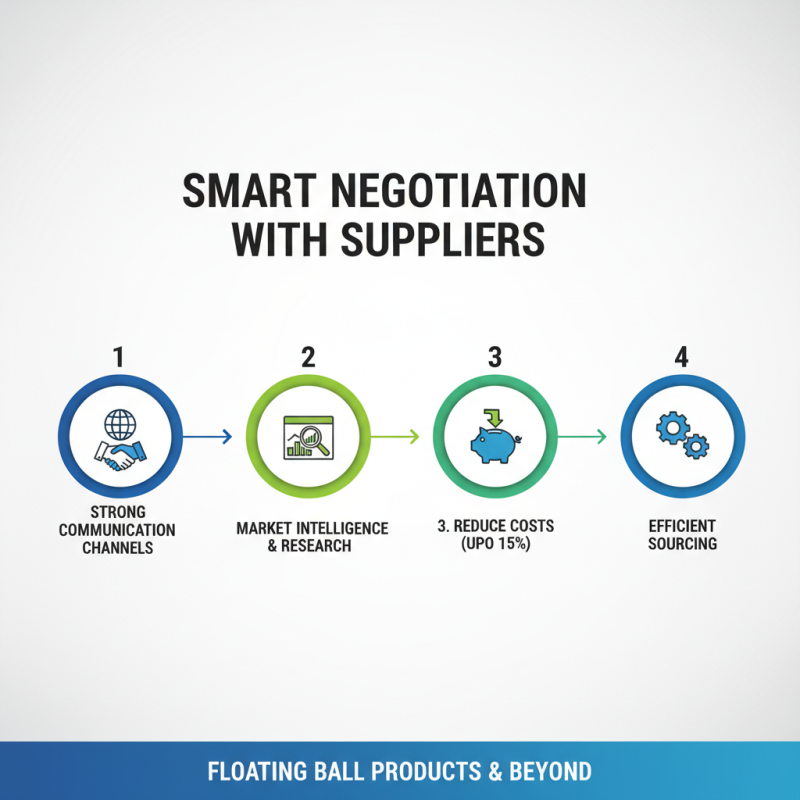
Negotiating prices and terms with suppliers is crucial in sourcing floating ball products efficiently. Establishing a strong communication channel with potential suppliers can lead to advantageous terms. The ability to negotiate is influenced by market intelligence. According to recent industry reports, companies that analyze price trends can reduce costs by up to 15%. This data underscores the importance of thorough research before entering negotiations.
Building relationships is essential in the negotiation process. Suppliers value long-term partnerships. Investing time in understanding their constraints and objectives can yield better outcomes. As noted, 78% of suppliers prefer working with buyers who demonstrate loyalty. Consideration for their needs can lead to improved pricing and favorable shipping terms.
However, challenges often arise during negotiations. Miscommunication may lead to misunderstandings about product specifications. Suppliers might misinterpret requests, resulting in errors that can be costly. It’s vital to clarify expectations and verify details. Documenting terms and maintaining transparency can prevent disputes later. Effective negotiation is not just about securing the lowest price; it’s about establishing trust and ensuring product quality.
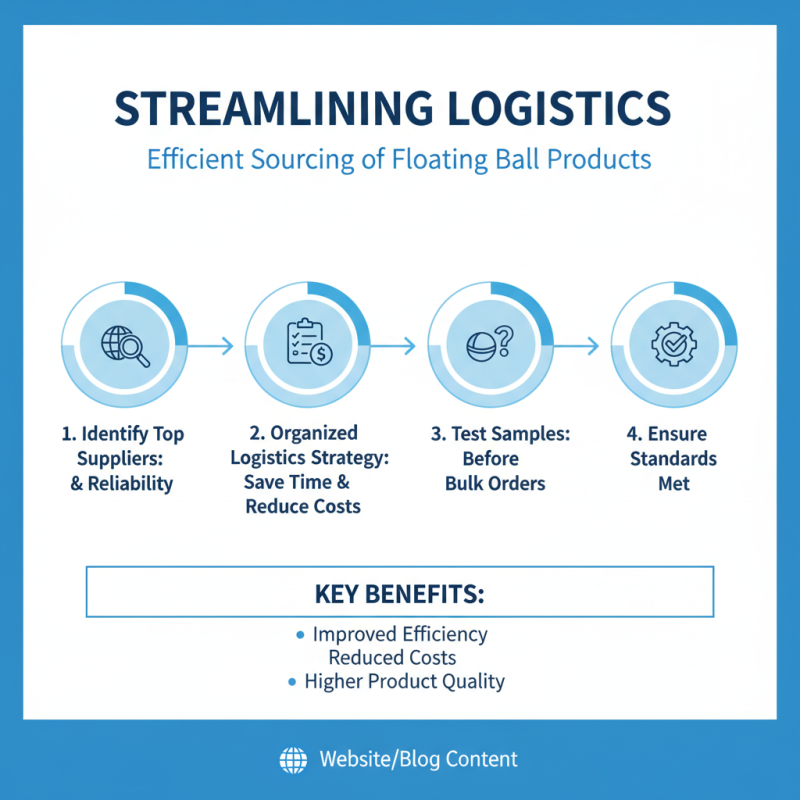
Sourcing floating ball products efficiently requires an organized logistics strategy. Proper logistics can save time and reduce costs. Identify the best suppliers based on product quality and reliability. Keep in mind that not every supplier is perfect. Testing samples before bulk orders is a practical approach. It helps ensure the products meet your standards.
Communication is crucial in the logistics process. Regular updates from suppliers can prevent misunderstandings. Establish a clear timeline for shipments. Delays can lead to inventory shortages. Use technology to track shipments in real-time. This can enhance visibility and help address issues promptly.
Another vital aspect is managing inventory effectively. Monitor stock levels to avoid overstocking or stockouts. Consider using software systems that analyze your inventory needs. This can help streamline future orders, but remember these systems are not foolproof. Incorrect data can lead to poor decisions. Continuous evaluation is key to optimizing this process.
© Shipham Valves 2025. All Rights Reserved.
Website By PS Website Design Ltd
Request a Quote/Further Information
Download
We use cookies on this website, by continuing to browse the site you are agreeing to our use of cookies. Find out more.