A Cold Brew Coffee Maker is a container or brewing system designed to steep coffee grounds in cool or room-temperature water. Instead of relying on heat, it uses time to draw flavor from the beans. You add coarse grounds and water, keeping them in contact for several hours. A mesh filter or removable basket helps hold the grounds while the coffee steeps. No boiling needed. When brewing is complete, you lift out the filter or strain the mixture. The result is usually a concentrated coffee that can be diluted with water or milk.
The basic method is simple, but the details matter. Grind size, coffee-to-water ratio, steeping time, and filtration can all affect the taste. Many makers include a built-in filter and a lid, while others are little more than a glass jar with a strainer. A fine filter can reduce sediment, though a little cloudiness may remain. Cold brew often tastes smoother and less sharp than hot-brewed coffee, but it is not automatically stronger or better. I would not call the process foolproof: a long steep or an uneven ratio can produce a drink that tastes flat or overly concentrated. The sections ahead explain how these makers work, what distinguishes their designs, and how to choose one that suits your kitchen and coffee habits.
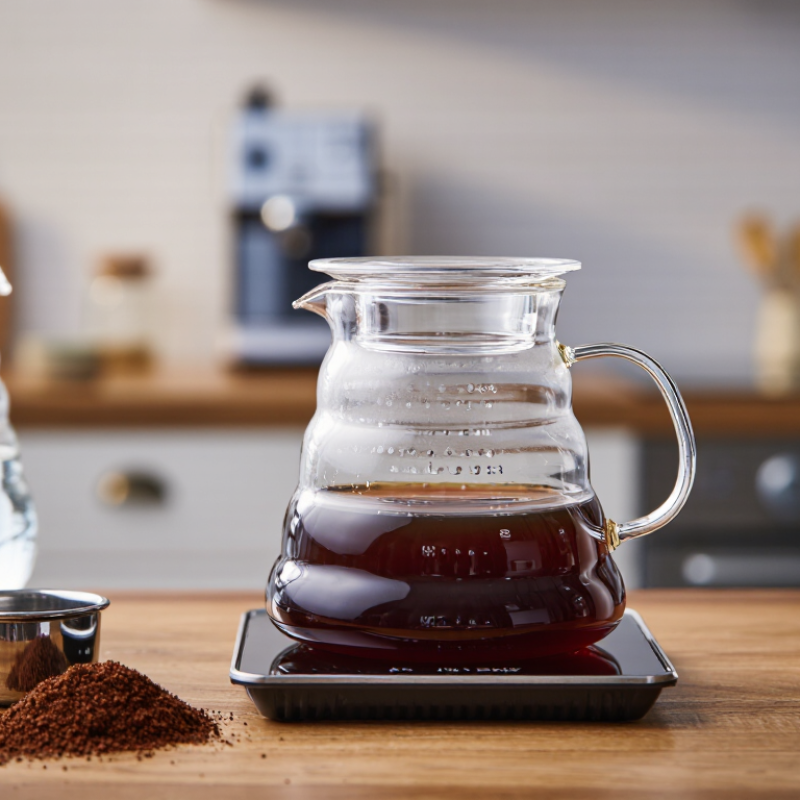
A cold brew coffee maker is a vessel designed to steep ground coffee in cool or room-temperature water, then separate the liquid from the grounds. Many models use a glass or food-safe plastic carafe with a removable fine-mesh filter basket. You add coarse grounds, pour in water, and leave the mixture to steep, often for 12 to 24 hours. No heating element is needed. The result may be ready to drink or concentrated enough to dilute with water or milk.
The equipment is simple, but the details matter. A tighter mesh keeps more sediment out of the cup; a wide opening makes cleaning easier. Grind size, coffee-to-water ratio, and steeping time all affect flavor, so recipes may need adjustment. One drawback: a maker does not guarantee a smoother or less bitter brew. Stale grounds or a very long steep can still taste harsh.
Cold brew’s popularity helps explain the dedicated equipment. The National Coffee Association’s 2024 National Coffee Data Trends report found that 21% of U.S. adults had cold brew in the previous week, up from 15% in 2023. That survey describes consumer habits, not brewing performance. Still, it points to growing interest in a method that works well for making several servings ahead. A refrigerator helps keep the finished coffee chilled, though the maker itself may not include one.

A cold brew coffee maker usually has three core parts: a brewing vessel, a coffee filter or basket, and a lid. The vessel holds water and grounds during the long steep. It may be glass, plastic, or stainless steel, so check that it feels sturdy and is easy to clean. Capacity matters, too. A narrow jar can fit neatly in a refrigerator, but it may be awkward to fill.
The filter keeps most grounds out of the finished coffee. Many makers use a removable mesh basket that sits inside the vessel. Add coarsely ground coffee to the basket, then pour in cool water. The mesh should be fine enough to catch particles, though a little sediment can still appear. That is normal. Some designs use a separate paper filter instead, which can produce a cleaner cup but adds another step.
A lid helps protect the brew from refrigerator odors and accidental spills. It should fit securely without making the container difficult to open. After steeping, lift out the basket or strain the coffee, depending on the design. Small details can be easy to overlook: a heavy, wet basket may drip on the counter, and tight corners take longer to rinse. I learned to check those details before choosing a maker. They affect daily use more than appearance.
A cold brew maker combines ground coffee and cool water through immersion. Water moves into the spaces between the grounds, then slowly draws out soluble compounds. Use a coarse grind; fine particles can make the drink cloudy and harder to filter.
A practical starting point is one part coffee to eight parts water by weight. Add the grounds first, pour water evenly over them, and stir gently until no dry pockets remain. It should look evenly wet, not stirred into a muddy paste.
Steep the mixture in a covered vessel for about 12 to 18 hours, then strain it through a mesh filter or paper. Time, grind size, and water quality all affect flavor, so small adjustments matter.
The Specialty Coffee Association’s Brewing Control Chart gives brewed coffee a reference extraction yield of 18–22% and strength of 1.15–1.35% total dissolved solids. These figures are useful context, not fixed cold-brew targets: concentrated recipes can fall outside them.
A clear brew can still taste flat.
That part is easy to miss.
If the result tastes harsh, shorten the steep or use a coarser grind; if it tastes thin, try a little more coffee.
A cold brew coffee maker holds coarse coffee grounds in cool water while they steep, then separates the liquid from the solids. In an immersion-style maker, grounds sit in a mesh basket or directly in the carafe. Water moves slowly through the coffee particles, dissolving flavor compounds without heat. That takes patience. Many recipes steep for 12 to 18 hours, though grind size and taste can shift the timing.
Filtration shapes the final cup. A metal mesh catches larger particles but may let fine sediment and some oils pass through. Paper filters usually produce a cleaner, lighter-feeling drink. The Specialty Coffee Association’s Brewing Control Chart gives brewed coffee a reference range of 18–22% extraction yield and 1.15–1.35% total dissolved solids. Those figures are not cold brew rules, but they show how extraction and strength can be measured rather than guessed. In practice, a cloudy cup may mean the grind was too fine or the filter too coarse. The detail is easy to miss. And steeping longer does not automatically make better coffee; it can make the cup taste dull or overly bitter.
Cold brew makers usually steep coarse coffee in cool water, then separate the grounds with a filter. The simplest design is a jar or carafe with a removable mesh core. Grounds sit inside the filter, making it easy to lift them out after brewing. A typical batch rests in the refrigerator for 12 to 18 hours, though grind size and taste preferences affect the timing. Easy enough. But a fine mesh may let a little sediment through, especially when coffee is ground too finely.
Pitcher-style makers often have a wide filter basket and a sealed lid. The basket gives grounds room to soak, while the lid helps keep out refrigerator odors. Look for a stable handle, a filter that lifts out without spilling, and a pitcher that fits your fridge shelf. Some models include a spout or tap; convenient, but small parts can be awkward to clean. Countertop slow-drip designs work differently, releasing water over coffee gradually rather than immersing it all at once. They can produce a lighter cup, though the controls may take practice. Not always better. Capacity matters, too: a large vessel is useful for several servings, while a smaller one takes less shelf space and is easier to rinse.
| Design | How It Works | Typical Components | Typical Brew Time | Common Features | Practical Considerations |
|---|---|---|---|---|---|
| Immersion brewer | Coarse-ground coffee steeps in cold or room-temperature water. The grounds are removed by lifting out a filter or pouring the brew through a separate strainer. | Brewing vessel, grounds basket or filter, and lid. | About 12–24 hours; the exact time depends on the recipe, grind, and desired strength. | Simple setup, few moving parts, and easy adjustment of coffee-to-water ratio and steep time. | Grounds need to be separated from the finished coffee to prevent continued steeping. Fine sediment may pass through some mesh filters. |
| Cold brew pitcher with removable filter | Coffee steeps directly in the pitcher inside a removable mesh or fabric filter. The filter is taken out when brewing is complete. | Pitcher, fitted filter basket, and cover; some designs include a pouring spout or handle. | Commonly about 12–24 hours, usually in a refrigerator or at room temperature. | Brews and stores coffee in one container; the removable filter makes grounds easier to lift out. | Capacity is limited by the pitcher. A close-fitting filter helps keep grounds contained, but mesh fineness affects sediment. |
| Slow-drip cold brew tower | Cold water drips gradually through a bed of coffee grounds and collects in a lower vessel. A valve or drip control regulates the flow. | Water reservoir, coffee chamber, drip valve, filter, and collection vessel. | Often several hours; total time varies with the drip rate, coffee dose, and equipment design. | Visible brewing process, adjustable flow on many models, and a brewed result collected separately from the grounds. | Usually requires more setup and counter space than a pitcher. Drip rate may need adjustment to maintain a steady flow. |
| Basic jar-and-filter setup | Coffee and water steep together in a jar or other food-safe container, then the liquid is poured through a separate fine-mesh strainer or paper filter. | Jar or covered container and a separate strainer or filter. | About 12–24 hours for a common immersion-style method. | Minimal equipment and flexible batch size; the same container can be used for steeping and storage. | Filtering may take extra time, especially for large batches. A second filtration can reduce fine particles. |
© Shipham Valves 2025. All Rights Reserved.
Website By PS Website Design Ltd
Request a Quote/Further Information
Download
We use cookies on this website, by continuing to browse the site you are agreeing to our use of cookies. Find out more.