Choosing the right Pcb Board for your project can be challenging. As PCB industry expert John Doe once said, "The right board can make or break your project." This statement underscores the importance of careful selection.
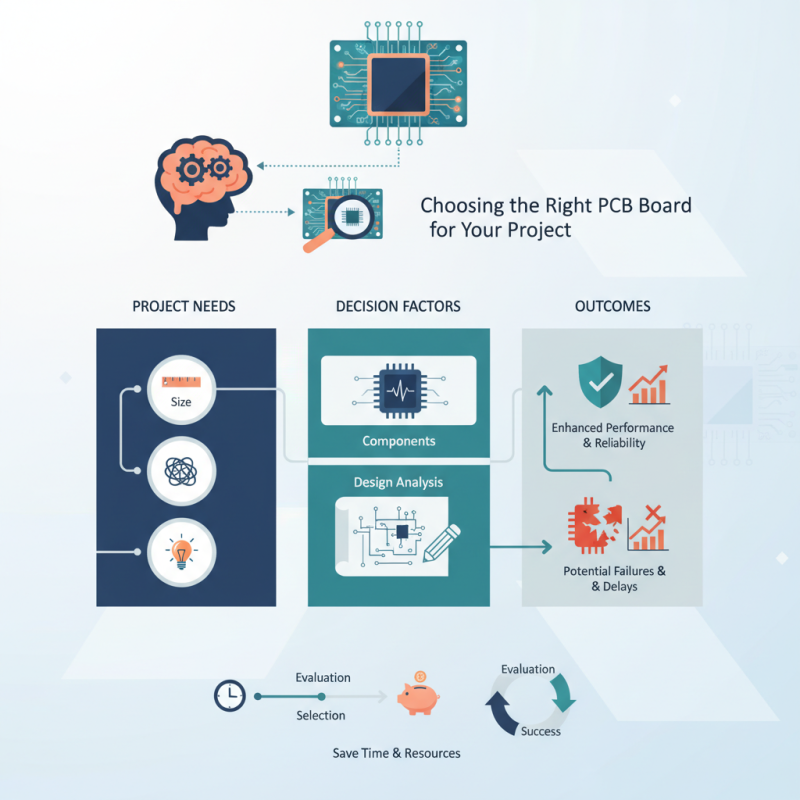
Different projects have different needs. Factors like size, complexity, and functionality must be considered. A well-chosen PCB board can enhance performance, but an ill-suited board can lead to failures. This decision involves analyzing components and designs closely.
Many entrepreneurs overlook these critical aspects. They may rush the decision, thinking all boards are the same. Each PCB board offers unique specifications and potential limitations. Taking time to evaluate options leads to a more reliable outcome. Understanding these details can save time and resources later in the project.
Printed Circuit Boards (PCBs) are essential components in electronic devices. They serve as the backbone for connecting various electrical parts. Understanding how PCBs function is crucial for successful project development.
PCBs are typically made of a non-conductive substrate with a copper layer. This copper layer forms conductive pathways for electricity. Different PCB types include single-sided, double-sided, and multi-layer boards. Each type caters to varying project requirements. According to industry reports, multi-layer PCBs are becoming increasingly popular. They account for over 40% of the PCB market due to their compact design and enhanced performance.
When selecting a PCB board for your project, consider these tips: Choose the right substrate material for durability. Look at the thickness and the number of layers based on component density. Ensure your board can handle heat dissipation. Failure to consider these aspects could lead to performance issues.
Designing a PCB is not just about layout. It involves understanding voltage levels, current flow, and thermal management. An inadequate design can result in malfunction of your electronic device. Doing thorough research is vital. Leverage available resources and tools to refine your design.

When embarking on a PCB project, it’s crucial to clearly define your requirements. Start by considering the application of your board. Is it for a simple consumer device or a complex industrial system? The complexity will directly affect the type of PCB you need. Component density, layer count, and thermal management play vital roles. A high-density board may require advanced manufacturing techniques.
Next, think about the electrical specifications. Voltage levels, current needs, and signal integrity are key factors. Assess the environment where the PCB will operate. Does it need to withstand high temperatures or humidity? Identifying these conditions early on can save time and costs in the long run.
Balancing design specifications with manufacturing capabilities can be tricky. Sometimes, a desired feature may not be feasible with standard processes. Collaborating with PCB manufacturers early can provide insights into what’s possible. This allows for adjustments to your initial vision. Always be open to refining your project scope as you gather more information.
This chart illustrates the importance of various criteria when selecting a PCB board for your project. Each criterion is rated from 1 to 10 based on its relevance in typical projects.
When selecting a PCB board, material and thickness play crucial roles. Different applications require different properties. For example, FR-4 is the most common material, offering a good balance of performance and cost. However, advanced technologies may need materials like Rogers or polyimide for high frequency applications.
Thickness is another critical aspect. Standard PCB thickness is usually 1.6 mm, but this might not be suitable for every project. Thicker boards improve rigidity but may impact flexibility, especially in compact designs. Data from IPC (Institute for Printed Circuits) shows that approximately 30% of failures are linked to inadequate thickness choices.
Tips: Always assess the thermal management needs of your project. Improper material choices can lead to overheating and failure. Think ahead about the environment where your PCB will operate. Higher humidity or extreme temperatures require more robust materials.
Also, remember that not all projects benefit from the lowest cost option. Cheaper materials can lead to hidden costs through reliability issues. Consider testing prototypes with different materials to find the best fit. This reflective approach can save time and resources in the long run.
| PCB Material | Thickness (mm) | Flexibility | Common Applications | Cost Efficiency |
|---|---|---|---|---|
| FR-4 | 1.6 | Rigid | Consumer Electronics | Low |
| Polyimide | 0.5 | Flexible | Aerospace | Medium |
| Aluminum | 1.5 | Rigid | LED Lighting | High |
| CEM-1 | 1.6 | Rigid | DIY Projects | Low |
| PTFE | 1.0 | Rigid | RF Applications | High |
Selecting the right PCB board involves understanding various manufacturing processes and techniques. Each method has distinct advantages that can affect the board's performance and cost. For instance, rigid PCBs are common for their durability. They suit many applications but lack flexibility. In contrast, flexible PCBs offer adaptability but might be more complex to produce. This complexity could lead to higher costs.
Consider the materials used in PCB fabrication. The choice between FR-4 and polyimide materials influences thermal stability and electrical performance. While FR-4 is widely used, it doesn’t perform well in extreme conditions. You may require polyimide for applications in harsh environments. However, it can be more expensive and less readily available.
Testing can also reveal flaws in design choices. Sometimes, a chosen manufacturing process might not align with your project needs. This misalignment could lead to delays and increased costs. Therefore, reflecting on your needs and experimenting with prototypes is crucial. Make sure you're well-informed about each option before making your final decisions.
Choosing the right PCB board for your project involves careful consideration of cost, availability, and lead time. According to a recent industry report by IPC, material costs for PCBs have increased by nearly 15% due to supply chain disruptions. This means budget planning is crucial. Assess the materials used, as high-performance boards could enhance longevity but may demand higher up-front costs.
Availability is another critical factor. Research shows that sourcing delays can extend project timelines significantly. Materials sourced locally often have shorter lead times. Conversely, components that must be imported can take weeks, or even months, to arrive. Anticipating these issues can save both time and resources.
Tip: Always check multiple suppliers for the best pricing.
Lead time is key in decision-making. A study from the Electronics Industry Association reveals that PCB lead times have expanded by an average of 30%. This means quick-turn options may not always be available. Be prepared for fluctuations in supply.
Tip: Build buffer time into your project schedule to accommodate unforeseen delays.
Remember, careful analysis of these three aspects will enhance your project's success. Reflect on past projects to identify potential pitfalls in timing and budgeting.
© Shipham Valves 2025. All Rights Reserved.
Website By PS Website Design Ltd
Request a Quote/Further Information
Download
We use cookies on this website, by continuing to browse the site you are agreeing to our use of cookies. Find out more.