How to Choose a Fusion Welding Machine?
Choosing a Fusion Welding Machine is a practical decision, not a simple equipment purchase. The right model must match pipe material, diameter range, wall thickness, worksite conditions, and production speed. A machine that performs well in a workshop may struggle beside a muddy trench or on a windy construction site. Before comparing prices, examine heating plate accuracy, clamping force, hydraulic stability, data recording, and operator access. Small details matter. A loose clamp can damage alignment. An unstable heater can weaken the joint.
Robert McElroy, a recognized polyethylene pipe fusion authority, once stated, “The best fusion machine is the one that consistently produces sound joints in real working conditions.” This principle deserves attention. Specifications alone cannot prove field reliability. Buyers should review documented fusion procedures, calibration records, service support, and training requirements. Ask whether replacement heaters, pressure gauges, and seals are available locally. Downtime becomes expensive quickly.
Experience also exposes uncomfortable gaps. Some machines promise automation, yet their interfaces confuse new operators. Others look rugged, but their controls fail after repeated transport. No choice is perfect. A careful buyer should compare verified performance with actual project demands, then leave room for changing pipe sizes and site conditions. Independent standards, manufacturer manuals, and qualified welding inspectors can strengthen the decision. The final goal is not the most impressive machine. It is repeatable heat, pressure, alignment, and cooling under controlled conditions. That is what turns equipment into dependable infrastructure.
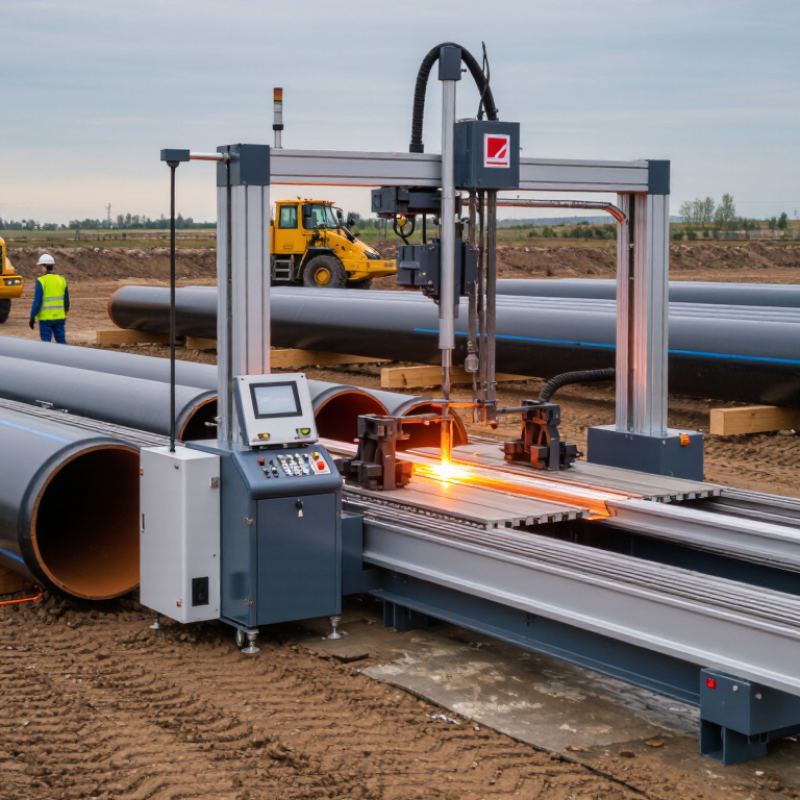
Understanding the Basics of Fusion Welding Machines
How to Choose a Fusion Welding Machine?
Understanding the Basics of Fusion Welding Machines
A fusion welding machine joins thermoplastic pipes by heating and pressing their prepared ends together. The process looks simple, but small errors can weaken the joint. Start by identifying the pipe material, outside diameter, and wall thickness. Different polymers require different heating temperatures and pressure settings. A machine should match these requirements precisely.
Consider the working environment. A workshop may need a stable hydraulic frame, while field repairs demand lighter equipment. Check the clamping range, heating plate accuracy, and pressure control. A clear temperature display helps operators monitor the melting stage. Good alignment is equally important. Even a strong heater cannot correct uneven pipe faces.
Think about power access, transport, and maintenance before purchasing. The machine should include practical controls, durable clamps, and replaceable contact surfaces. Ask whether calibration records and operating instructions are available. These details support reliable work and safer training.
I once underestimated setup time. That was a mistake. Cleaning, facing, and cooling often take longer than expected. Rushing the cooling period can distort the joint. Operators should record pipe material, temperature, pressure, and cooling time for each project. Those notes make quality checks easier and reveal repeated problems. A machine may appear affordable, yet poor alignment or unstable heating can create costly rework. Specification sheets matter, but hands-on trials matter too.
Comparing Machine Types, Power Sources, and Welding Methods
Choosing a fusion welding machine starts with the joint, not the machine. For steel frames, inverter-based MIG/MAG equipment offers fast wire feeding and practical productivity. TIG machines provide cleaner control on stainless steel and thin aluminium, but require slower hand movement. Stick welding remains useful outdoors because it tolerates wind and imperfect surfaces. Resistance welding suits repeated sheet-metal joints, while laser welding demands higher investment and precise alignment.
Power supply changes the decision. AC systems can work reliably on basic workshop networks, while DC output usually supports steadier arcs and easier starts. Three-phase machines deliver stronger continuous performance. Generator-powered units help on remote sites, but fuel use, noise, and maintenance deserve attention. Grand View Research valued the global welding equipment market at about USD 16.7 billion in 2023, with continued growth linked to automation and infrastructure demand. The International Energy Agency reported that industry consumed roughly 37% of global final energy in 2022, making efficiency more than a cost detail. Check duty cycle, rated output, cable length, and voltage stability against IEC 60974-1 requirements.
Tips: Test the machine on the actual material thickness. A 200-amp rating may not mean 200 amps continuously. Record arc stability, bead shape, and operator fatigue. Read the data sheet twice. I still find that choosing the smallest machine often creates hidden delays. Allow headroom, but avoid paying for unused capacity. Calibration, ventilation, and proper grounding also influence weld quality more than many buyers expect.
Evaluating Key Features, Safety Controls, and Operating Limits
How to Choose a Fusion Welding Machine?
Evaluating Key Features, Safety Controls, and Operating Limits
A fusion welding machine should match the work, not merely fit the budget. Start with material compatibility, pipe diameter, wall thickness, and required joint strength. Machines with stable temperature control reduce uneven melting. Pressure sensors should show whether the clamping force remains consistent during heating and cooling. Clear displays help operators notice changes before a weak joint develops.
Safety controls deserve close attention. Look for guarded heating plates, emergency stops, electrical protection, and automatic shutdown during abnormal temperatures. A reliable machine should prevent the clamp from moving unexpectedly. It should also provide audible or visible alarms.
Operating limits are equally important. Review the permitted temperature range, duty cycle, power supply, hydraulic pressure, and working environment. Dust, rain, or low temperatures can affect performance. Confirm that the machine supports the intended pipe sizes without forcing adapters beyond their rated use.
Check whether safety functions work during routine testing, not only during installation. Small details matter.
Calibration records should be available and easy to understand. Ask who performs verification and how often.
Do not trust impressive specifications alone. In practice, setup errors can cancel advanced features. An operator may overlook cooling time or misread a pressure gauge. That is a real weakness. Training, inspection checklists, and service access often matter as much as machine capacity. I would also test the controls with gloves on. A perfect interface on paper may feel awkward beside a hot pipe.
Selecting a Machine That Fits Your Budget and Future Needs
Choosing a fusion welding machine starts with the work you can price today. It should also survive tomorrow’s demands. Compare material types, joint thickness, production volume, and available power. A low-cost unit may fit occasional repairs, but weak temperature control can create rework and wasted material.
The International Federation of Robotics reported 542,076 industrial robots installed worldwide in 2023. That figure signals a stronger move toward repeatable, connected production. Your machine may not need automation now. Still, check whether it supports data logging, programmable settings, remote diagnostics, or future tooling. These features can cost more initially. They may reduce training time and quality variation later. No forecast is perfect.
The American Welding Society has projected a shortage of about 330,000 welding professionals in the United States by 2028. This makes ease of use and operator training practical budget issues. Look for clear controls, stable clamping, accessible maintenance points, and documented calibration procedures. Ask suppliers for service response times and spare-part availability. A cheaper machine becomes expensive when production stops for a missing heating element.
Calculate total cost over five years, not only the purchase price. Include installation, electricity, tooling, calibration, consumables, repairs, and operator training. Leave capacity for slightly larger workpieces than your current jobs require. That extra margin may prevent another purchase sooner than expected. I would still avoid paying for features that lack a clear production purpose. Being “future-ready” can become an excuse for overspending.
How to Choose a Fusion Welding Machine?
Select a machine by comparing its typical outside-diameter capacity with your current workload, expected project growth, and available budget. The figures below are representative planning ranges; actual specifications and prices vary by configuration, standards, and region.
Selection guide: Handheld socket-fusion tools suit small-diameter repair and installation work. Manual butt-fusion machines are a practical step up for routine field projects. Hydraulic machines support larger pipe and more repeatable joint pressure, while CNC or data-logging systems are better suited to high-volume work, strict traceability, and future expansion.