How to Choose the Right Ceramic Knife Gate Valve?

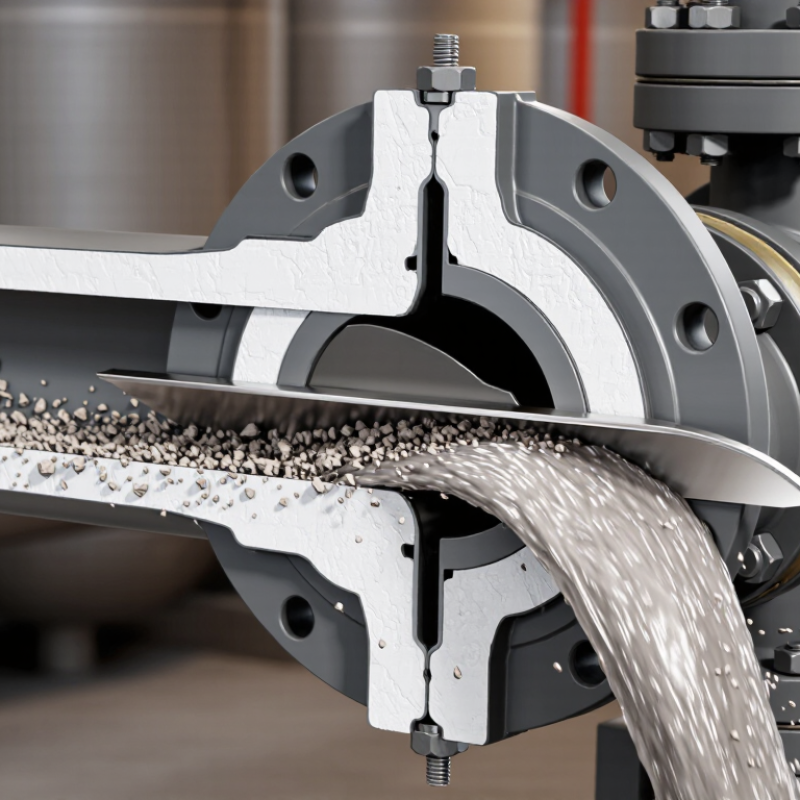
Selecting the right Ceramic Knif Gate Valve starts with the material moving through the line. Fine mineral slurry may behave like wet cement; sharp particles can wear metal surfaces and lodge around the gate. A ceramic-lined design can resist abrasion, but “ceramic” alone does not guarantee a long service life. The ceramic grade, lining thickness, gate clearance, seat design, and flushing arrangement all matter.

The U.S. Geological Survey’s Mineral Commodity Summaries 2024 reports U.S. cement production of about 91 million metric tons in 2023. That figure illustrates the scale of abrasive-material handling, though it does not measure valve demand or prove that ceramic valves suit every process. For practical selection, document particle size, solids concentration, temperature, pressure, flow direction, and cleaning needs. Then compare those conditions with the manufacturer’s test data. ISO 5208 provides recognized procedures for pressure testing and leakage evaluation, but it does not replace application-specific wear testing.

Philip L. Skousen, author of the Valve Handbook, is a relevant valve-design reference. However, no supplied source verifies a verbatim quotation from him about ceramic knife gate valves, so attributing invented words would be misleading. A sound selection principle is simple: match the valve to the actual service, not just the material name. Check the details. Even a strong ceramic lining can fail early if installation, sealing, or maintenance is overlooked. That deserves a second look.
How to Choose the Right Ceramic Knife Gate Valve?

Define the Process Conditions and Material Characteristics

How to Choose the Right Ceramic Knife Gate Valve?
Define the Process Conditions and Material Characteristics

Start with the actual process, not just the valve size. Record normal and peak pressure, operating temperature, flow rate, and how often the valve cycles. Include start-ups, shutdowns, and flushing. These brief events can create conditions that steady-state readings miss. Not just averages.

Describe the material moving through the line. Note particle size, hardness, shape, concentration, and whether solids settle when flow slows. Sharp, abrasive particles can wear surfaces differently from fine powder. Also identify the liquid’s pH and chemical composition, since compatibility depends on the specific ceramic and other wetted parts. A material that looks harmless in a sample jar may behave differently in a fast-moving slurry.

Match the valve’s ceramic components to these conditions, while checking the body, gate, seals, and seat as a complete assembly. Ceramic can resist abrasion, but it is hard and may be vulnerable to impact or rapid temperature changes. Ask for test data under comparable service conditions, not only general material descriptions. A common selection mistake is treating “abrasive slurry” as a complete specification. It isn’t. If particle data or temperature swings are uncertain, measure them before final selection; assumptions here deserve another look.

How to Choose the Right Ceramic Knife Gate Valve?

Approximate Mohs hardness of common ceramic materials

Higher hardness can help resist abrasive wear from solids in a process stream. These values are approximate material characteristics, not valve pressure or temperature ratings. Confirm slurry abrasiveness, chemistry, temperature, pressure, and operating cycle with the valve supplier before selecting a material.

Select Valve Size, Pressure Rating, and Ceramic Lining

Choosing the right ceramic knife gate valve starts with the process, not just the pipe diameter. Match the valve size to the line and required flow, then check slurry velocity and solids concentration. An oversized valve may reduce control, while a restricted opening can increase wear. Small details matter. If available, compare operating data with the valve’s flow characteristics rather than relying on nominal pipe size alone.

Pressure rating must cover normal operation and credible pressure surges. Consider temperature, cycling frequency, and the pressure limits of the body, seats, and connections. A rating copied from a line specification may not reflect the actual service conditions. Check the technical data and clarify any uncertainty before selecting a valve. It is easy to overlook brief surges.

Ceramic lining can resist abrasion from mineral slurries, but its suitability depends on particle size, shape, and impact. Hard, angular particles can still damage ceramic surfaces, especially where flow changes direction. Confirm the lining material, thickness, and coverage against the application, and inspect the sealing arrangement. There is no perfect shortcut: process data is sometimes incomplete, so field wear observations may change the final choice.

Compare Actuation Methods and Installation Requirements

Choosing a ceramic knife gate valve means matching its actuator to the slurry, pressure, and cycle rate. Manual handwheels suit infrequent operation when staff can reach the valve safely. Pneumatic actuators offer quick, repeatable movement, but need a reliable air supply and suitable controls. Electric actuators can simplify remote operation; confirm power, enclosure protection, and control compatibility before selection. Size any actuator for the actual differential pressure and solids, not just the pipe diameter. Check the full stroke.

Installation needs equal care. Confirm the valve’s face-to-face dimensions, flange pattern, and flow-direction requirements against the piping layout. Support the pipe independently so its weight does not twist the valve body. Keep the gate aligned and avoid forcing flanges together; ceramic parts resist abrasion but can be damaged by impact or uneven loading. Leave room to remove the actuator and inspect seals. Small details matter.

Before commissioning, clear debris from the line and cycle the valve slowly, checking for leaks and smooth travel. A site plan can look complete on paper, yet leave no room for a wrench or actuator service. That is easy to miss. Recheck access, air or electrical connections, and the valve’s intended open-or-closed duty with the people who will maintain it.

Verify Compatibility, Standards, and Maintenance Needs

How to Choose the Right Ceramic Knife Gate Valve?

Verify Compatibility, Standards, and Maintenance Needs

Start with the actual slurry, not just the valve size. Check solids concentration, particle hardness, temperature, pressure, and flow direction against the valve’s ceramic grade and lining. A sample of process fluid can reveal abrasive grit that a basic specification misses. Confirm the body, gate, seals, and connections are compatible with the fluid; ceramic parts resist wear, but seals and metal components may still degrade. One detail is easy to overlook: frequent cycling can change maintenance needs as much as abrasive service does.

Ask for documented pressure and leakage testing, and compare the test method with ISO 5208:2015 or the project specification. That standard describes pressure testing for industrial valves; it does not, by itself, prove suitability for every slurry. AMPP’s 2016 IMPACT study estimated corrosion costs at US$2.5 trillion annually, or 3.4% of global GDP. That figure is not a valve-life prediction, but it underscores why material compatibility deserves careful review. Request inspection intervals, replaceable-part details, and clearance requirements before purchase. Can operators reach the packing and inspect the gate without dismantling nearby pipework? Sometimes the answer is no. Check it on the layout, not only in the catalog.

Assess Supplier Quality and Total Lifecycle Cost

Choosing the right ceramic knife gate valve means examining the supplier, not just comparing quotations. Ask for material specifications, inspection records, pressure-test results, and traceability for the ceramic components. Check the details. A capable supplier should explain how the valve suits your slurry, particle size, operating pressure, temperature, and cycling frequency. Request references from similar services, then ask what failed and how the design was adjusted. A polished datasheet alone is not proof. No checklist catches every site-specific issue, so involve maintenance staff who know the line’s actual operating conditions.

Compare total lifecycle cost across the expected service period. Include purchase price, installation, actuator needs, spare parts, inspection labor, and the cost of planned and unplanned shutdowns. A cheaper valve may become expensive if abrasive solids damage its sealing surfaces or replacement parts take weeks to arrive. Ask the supplier for realistic maintenance intervals and component availability, rather than relying on optimistic estimates. Downtime matters. Record assumptions in the comparison; estimates are imperfect, and site conditions can change wear rates. Reviewing early inspection findings can help refine future budgets and replacement plans.

How to Choose the Right Ceramic Knife Gate Valve? - Assess Supplier Quality and Total Lifecycle Cost

Evaluation area What to assess Evidence to request or verify Why it matters to lifecycle cost Buyer rating
Process compatibility Confirm fluid composition, solids concentration, particle size and hardness, temperature, pressure, flow direction, and operating frequency. Check that ceramic grade and valve configuration suit the actual service. A written application review covering operating and upset conditions, plus documented material recommendations. A mismatch can accelerate wear, cause leakage or sticking, and lead to premature replacement. Ceramic materials are hard and wear-resistant but can be brittle, so impact and installation conditions also matter. ____ / 5
Pressure, temperature, and sizing Verify the rated pressure and temperature for the complete valve assembly, not just individual components. Check line size, connection type, face-to-face dimensions, and any required flow or shutoff conditions. Current drawings, dimensional data, pressure-temperature limits, and a clear statement of the applicable rating basis. Correct selection helps avoid unplanned adapters, installation changes, operating limitations, and equipment damage. ____ / 5
Ceramic and wetted materials Identify the ceramic type and the materials used for the body, gate, seat, packing, and fasteners. Check chemical compatibility and the effect of abrasive solids; do not assume all ceramic formulations or valve designs perform alike. Material specifications, compatibility guidance, and traceability documents where available. Material choices affect wear life, corrosion resistance, repair options, and the frequency of replacement parts. ____ / 5
Supplier quality controls Assess whether manufacturing, inspection, nonconformance handling, and final release checks are documented and consistently applied. Quality-system documentation, inspection and test records for the offered valve, and a process for handling defects or warranty claims. Reliable controls reduce the risk of receiving valves with inconsistent dimensions, assembly problems, or undocumented substitutions. ____ / 5
Inspection and functional testing Clarify what checks are performed on each unit, including dimensions, gate movement, actuator operation if supplied, and pressure or leakage testing where applicable to the design and purchase specification. Test procedures and valve-specific results or release records. Agree in advance on the acceptance criteria and test method. Factory verification can identify issues before installation, when correction is generally less disruptive and costly. ____ / 5
Design and maintainability Review access for inspection and service, replaceable wear components, actuator requirements, installation orientation, and the procedure for removing the valve from the line. Exploded drawings, maintenance instructions, recommended inspection points, and a list of replaceable parts. A serviceable design can reduce labor time, outage duration, and the need to replace the complete valve after wear. ____ / 5
Spare parts and technical support Check availability of compatible wear parts, actuator components, and technical assistance. Confirm how replacement parts are identified and ordered. Parts list, ordering information, stated lead times, and support arrangements for commissioning and troubleshooting. Long or uncertain parts lead times can increase inventory costs and extend downtime after a failure. ____ / 5
Warranty and service terms Compare warranty scope, duration, exclusions, claim process, and responsibility for inspection, shipping, labor, and replacement. Written warranty and service terms that match the intended operating conditions and purchase specification. Clear terms help estimate financial exposure and avoid disputes if a failure occurs. ____ / 5
Total lifecycle cost Compare purchase and installation costs with expected maintenance, spare parts, energy or actuator costs, downtime, and eventual replacement over the same evaluation period. A documented cost estimate using stated assumptions for service life, maintenance frequency, labor, parts, and downtime. Treat uncertain life estimates as assumptions, not guarantees. Lifecycle cost provides a more complete comparison than purchase price alone. Illustrative formula: purchase + installation + maintenance + parts + downtime-related cost + replacement − residual value. ____ / 5
Total supplier and lifecycle assessment score ____ / 45

Rating guide: 1 = evidence is inadequate; 3 = requirements are generally met; 5 = requirements are well documented and closely matched to the application. Confirm final selection against the project specification and site operating conditions.

Request a Quote/Further Information

    Download