Top Tips for Choosing the Right Automated Storage System?
In today's fast-paced business landscape, selecting the right Automated Storage System is crucial for operational efficiency. With diverse options available, organizations face challenging decisions. Factors such as space utilization, cost, and technology play significant roles in this choice. A well-chosen system can streamline processes and enhance productivity.
Many companies rely on automated systems for fast and accurate inventory management. However, not all systems suit every business model. Some businesses may require a mix of manual and automated solutions. Understanding specific needs is vital for making the right choice.
Reliability and scalability are key aspects to consider. An effective Automated Storage System should grow with your business. Regular assessments of your operational needs will help identify the best fit for your objectives. Make informed choices based on expertise and sound data to ensure long-term success.
Understanding the Basics of Automated Storage Systems
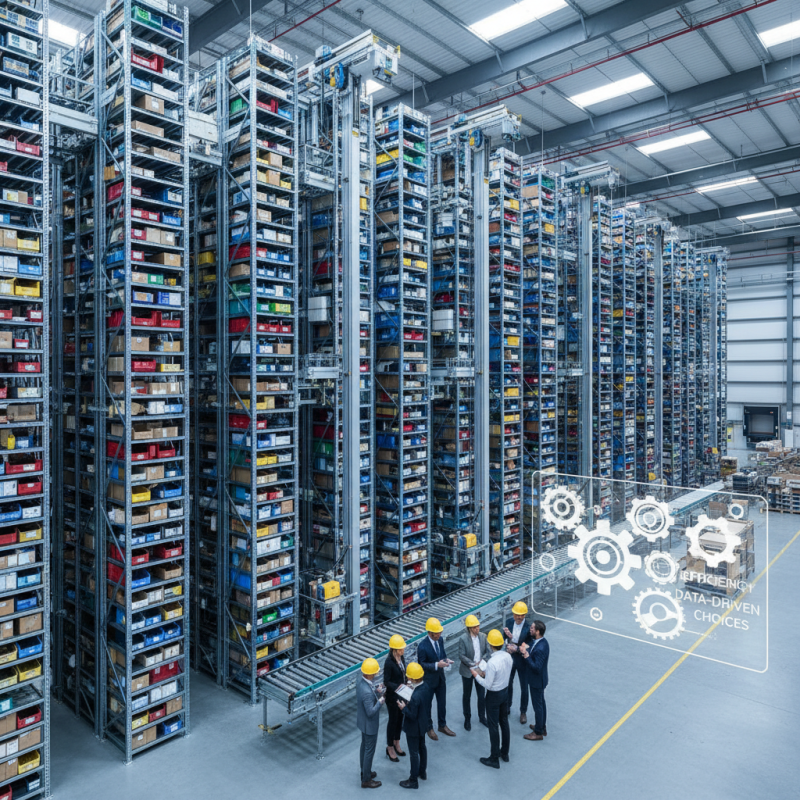
Automated storage systems are reshaping the way businesses manage inventory. Understanding their basics is crucial for making informed decisions. These systems streamline processes, improving efficiency and accuracy. According to recent industry reports, implementing an automated storage solution can enhance retrieval speeds by up to 50%.
These systems utilize robotics and advanced software to manage storage and retrieval. They can significantly reduce labor costs. Yet, companies often underestimate the initial investment required. It’s essential to assess long-term savings versus upfront expenses. Many businesses find it challenging to predict their specific needs. This uncertainty can lead to underutilized systems or the opposite—overloading resources.
Additionally, automated storage systems should be adaptable. They must grow with your business. Some systems can handle various items, but not all are versatile. Industry research indicates that over 30% of users experience difficulties in integration. It’s vital to consider compatibility with existing workflows. This reflection on flexibility can save your organization from costly mistakes in the long run.
Top Tips for Choosing the Right Automated Storage System
| Feature | Description | Benefits | Considerations |
| Scalability | Ability to expand storage capacity as needed. | Flexibility to accommodate business growth. | Ensure infrastructure supports scaling options. |
| Automation Level | Degree of automation in storage operations. | Reduces labor costs and increases efficiency. | Consider the initial investment vs. long-term savings. |
| Integration | Compatibility with existing systems (WMS, ERP). | Streamlines overall operations and data accuracy. | Evaluate API access and integration support. |
| Space Utilization | Efficiency in using available storage space. | Maximizes the area for storage and retrieval. | Consider ceiling height and layout for optimal design. |
| Cost | Total investment required for installation and operation. | Balance initial costs with potential ROI. | Account for maintenance and operational costs as well. |
Assessing Your Storage Needs and Space Requirements
When evaluating your storage needs, it’s essential to analyze what items you will store. Consider sizes, shapes, and weights of your inventory. Some items may need special conditions or arrangements. For instance, large or heavy items might require specific handling systems. In contrast, smaller items may benefit from vertical storage solutions. Assessing these specifics can guide you toward the right automated system.
Space requirements are equally crucial. Measure your available area before making any decisions. Think about both horizontal and vertical space utilization. If you have limited floor space, a vertical lift may be more appropriate than a conventional shelving unit. Natural light and accessibility should also be factored in; they can affect the efficiency of your operations.
Reflect on your future storage needs too. Will your inventory grow? Trends can change storage requirements rapidly. An inflexible system may become a challenge later. Ensure your chosen solution is scalable. It’s about finding a balance between immediate capacity and anticipating long-term needs. Your space should work for you, not against you.
Key Features to Consider in Automated Storage Solutions
When choosing an automated storage system, key features stand out. First, assess the storage capacity. Consider how much you need to store now and in the future. A system with adjustable shelving can accommodate changing inventory levels. Flexibility prevents the need for frequent upgrades.
Next, look into the technology used. Advanced systems often have intuitive software. This can streamline operations and improve visibility of inventory. For example, real-time tracking helps identify stock levels quickly. However, not all systems are user-friendly. Spend time on demos to avoid frustration.
Another crucial aspect is maintenance and support. A reliable system should offer low downtime. Check if training is provided for staff. Complex systems may lead to confusion without proper guidance. Prepare for a learning curve, as adjustments can take time. Finding the right balance between efficiency and ease of use is vital.
Evaluating Cost vs. Efficiency in Automated Systems
When evaluating automated storage systems, cost and efficiency interplay significantly. Many businesses rush to choose systems that seem cheaper upfront. However, this approach can backfire. A low initial investment may lead to higher long-term costs through maintenance, operational inefficiencies, and potential downtimes.
On the efficiency side, consider the time saved through automation. Some systems excel at speeding up retrieval times while minimizing errors. Investigate options tailored to your specific needs. Ask critical questions about adaptability and scalability. A rigid system may restrict future growth, leading to regrets later on.
Investing in comprehensive training for employees is essential. Understanding how to use the system effectively can drastically improve efficiency. Remember, the best automated storage solution should align with your operational goals, not just your budget. This nuanced approach leads to a more rewarding investment.
Integration and Scalability for Future Needs in Storage Systems
When selecting an automated storage system, it's crucial to prioritize integration. An adaptable system will communicate smoothly with your existing technologies. Look for solutions that support various data formats and protocols. This flexibility ensures that the storage system can evolve with your changing needs. Investing in compatibility now prevents future integration headaches.
Scalability is equally important. Your business will grow, and so will your storage requirements. Choose a solution that allows for easy expansion. This can involve adding more storage units or enhancing processing capabilities without disrupting operations. Remember, a system that fits today might not fit in a year. Look for options that allow you to adjust quickly.
Consider the learning curve as well. A more complex system may offer advanced features but could confuse your team. Ensure there's sufficient training and support for staff. Reflect on how the storage system will affect daily operations. A smooth transition is vital for maintaining productivity. Balancing technology and user-friendliness is key.