How to Choose the Best Wifi Doorbell for Your Home?
Choosing the best Wifi Doorbell for your home can be daunting. With many options available, it's easy to feel overwhelmed. A Wifi Doorbell is not just a gadget; it enhances your home security and convenience. It allows you to see who is at your door without leaving your comfort zone.
Consider the features that matter most. Many Wifi Doorbells offer high-resolution video, two-way audio, and motion detection. These features can improve your daily life. However, especially on a busy day, sometimes features can be confusing. Do you need all of them? Assess your needs carefully before making a choice.
Installation and compatibility are also crucial factors. Some models require advanced technical skills, while others are user-friendly. A Wifi Doorbell should seamlessly integrate with your existing smart home system. But be aware, not all apps are intuitive. Learning curves can frustrate even the most tech-savvy users. Take the time to research and bring clarity to your decision.
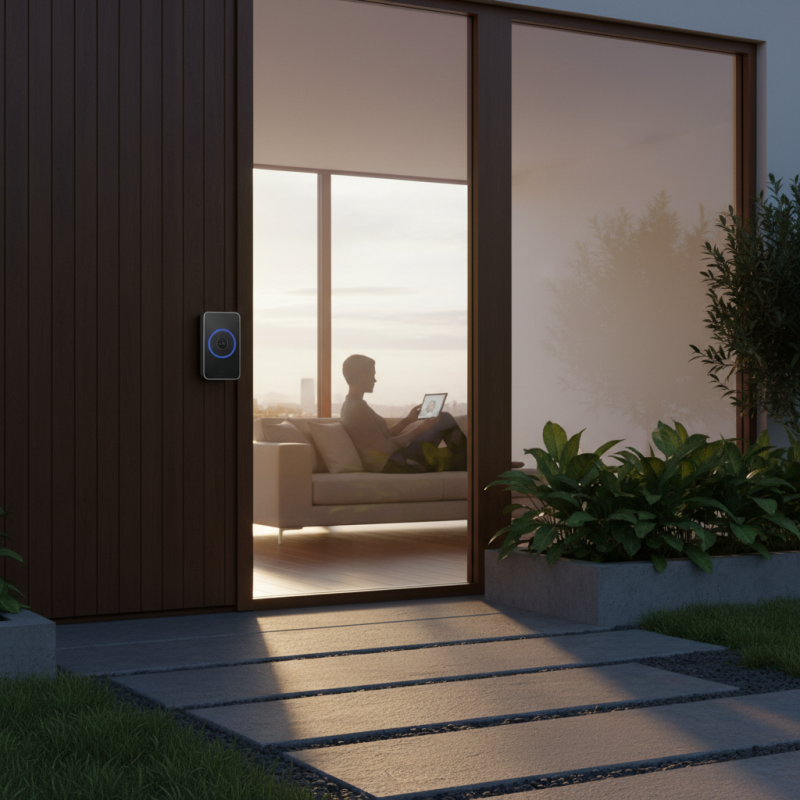
Understanding Wifi Doorbells: Key Features and Benefits
Wifi doorbells offer homeowners convenience and security. When selecting one, understanding their key features is essential. A reliable doorbell should provide video quality, motion detection, and mobile alerts. Clear video streams allow you to see who is at your door, even in low light. Motion detection features can send alerts when someone approaches your door, which adds an extra layer of security.
Tips: Consider investing in a doorbell with two-way audio. This feature lets you communicate with visitors remotely. Ensure that the device has a strong Wi-Fi connection to prevent interruptions. Some doorbells allow cloud storage for recorded footage, which can be crucial for monitoring your home.
Another aspect to ponder is battery life versus hardwired options. Battery-operated models are easier to install, but you need to recharge them periodically. Good design also means reliable weather resistance. If you live in harsh climates, look for models rated for extreme temperatures. The user experience can vary, as some people may find setup tricky. Be prepared for potential hiccups during installation and network configuration.
Evaluating Video Quality and Resolution in Wifi Doorbells
When selecting a WiFi doorbell, video quality and resolution are key factors. A doorbell camera should ideally offer high-definition video. A resolution of at least 1080p is often recommended. This clarity allows you to identify faces and details easily. Lower resolutions may not provide enough detail to recognize visitors. However, higher resolution can demand more bandwidth, which can strain your network.
Another important aspect is nighttime video capability. Look for features like infrared night vision. It enhances image clarity in low-light conditions. Some models may offer color night vision, which can be useful. However, not all doorbells perform equally well in harsh lighting. Testing the night vision in your home’s lighting conditions can reveal potential issues.
Field of view is also significant. A wider angle captures more of your entrance area. However, too wide could distort images, affecting recognition accuracy. Consider how angles impact the overall effectiveness. Balance is key. You may also want to assess the frame rate. Higher frame rates result in smoother video, but this can impact data usage. Find the right fit for your needs and be mindful of your internet capabilities.
Exploring Connectivity Options: Wi-Fi, Bluetooth, and More
When selecting a Wi-Fi doorbell, connectivity options are crucial. Wi-Fi offers an extensive range and the ability to connect multiple devices. According to industry reports, 70% of smart doorbell users prefer Wi-Fi for its reliability. This technology allows for real-time video streaming and notifications directly to your smartphone. However, Wi-Fi can be susceptible to interference. Walls and distance from the router can affect performance.
Bluetooth is another option, but it has limitations. Its range typically extends only about 30 feet. While it may work well for close-range usage, it often lacks the consistent connectivity of Wi-Fi. As reported by tech analysts, only 15% of consumers use Bluetooth-enabled doorbells. For homes with multiple floors, relying solely on Bluetooth may lead to frustrating delays in communication.
In contrast, some newer models incorporate both technologies. This dual connectivity can enhance reliability. However, it can also complicate setup and troubleshooting. Users might find themselves frustrated, especially if not technologically savvy. A thorough understanding of your home's layout and the potential obstacles to signal strength will be vital in making an informed decision.
Wi-Fi Connectivity Options for Doorbells
Assessing Smart Home Integration Capabilities of Wifi Doorbells
When considering a WiFi doorbell, it’s essential to assess its smart home integration capabilities. A doorbell that connects seamlessly with your devices enhances its functionality and your overall home automation experience. Compatibility with home security systems and smart assistants is key. This allows you to monitor your front door with ease and communicate with visitors no matter where you are.
Consider how well the doorbell interacts with your existing smart home ecosystem. Does it send alerts to your smartphone? Can it connect to smart locks, lights, or cameras? These features add value and improve your home’s security. However, it's important to verify that the device maintains a reliable connection. Many users face issues with inconsistent notifications due to WiFi interference or poor signal strength.
Look for doorbells that offer customizable integration options. This allows you to adapt the functionality to your needs. Choose devices that permit settings adjustments, so you can receive alerts only for specific events. Remember that not every device excels in every integration aspect. Test different models to find which one works best in your unique environment. Balancing features with ease of use is vital for a satisfactory experience.
How to Choose the Best Wifi Doorbell for Your Home? - Assessing Smart Home Integration Capabilities of Wifi Doorbells
| Feature | Option A | Option B | Option C |
| Video Quality | 1080p | 720p | 1440p |
| Two-way Audio | Yes | No | Yes |
| Smart Home Compatibility | Amazon Alexa, Google Assistant | Google Assistant | Amazon Alexa |
| Motion Detection | Adjustable Sensitivity | Standard | Advanced with Activity Zones |
| Night Vision | Color Night Vision | Infrared Night Vision | Standard Night Vision |
Considering Installation and Maintenance Requirements for Wifi Doorbells
When considering a Wi-Fi doorbell, installation and maintenance are critical factors. Reliable installation ensures optimal performance. Many models require a wired connection to your existing doorbell, which can be complex for some homeowners. If you have limited electrical experience, hiring a professional may be wise. Alternatively, wireless options simplify installation but may face issues with connectivity or battery life over time.
Maintenance is another crucial aspect. Regularly charging or replacing batteries is necessary for wireless doorbells. Neglecting this can lead to missed alerts. More wired models may require occasional updates or firmware checks. Users often overlook the need for regular cleaning as well. Dust and dirt can obstruct the camera and lessen video quality. Ultimately, a well-maintained system promotes longevity and reliability, ensuring your doorbell serves its purpose effectively.