How to Choose the Right Lugged Butterfly Valve for Your Project?
Choosing the right lugged butterfly valve for your project is essential. With various options available, making the right decision can be overwhelming. A lugged butterfly valve offers unique advantages in specific applications. They are designed for easy installation and maintenance, often in tight spaces.
When selecting a lugged butterfly valve, consider the materials and ratings. Different projects require different specifications based on fluid type and temperature. Also, think about the connection method. A proper fit is crucial for system efficiency. Sometimes, users overlook compatibility, which can lead to issues later on.
It's vital to reflect on your project’s specific needs. Features such as manual or automated operation can significantly impact performance. Not every lugged butterfly valve will suit every application. Take the time to evaluate your requirements and potential limitations. This careful consideration can save both time and resources in the long run.
Understanding the Functionality of Lugged Butterfly Valves
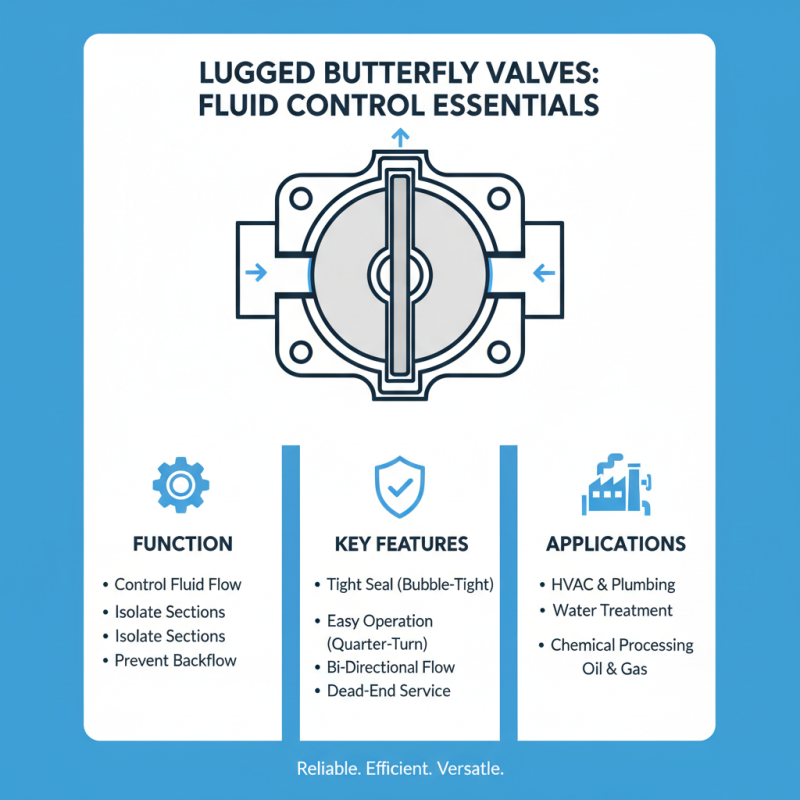
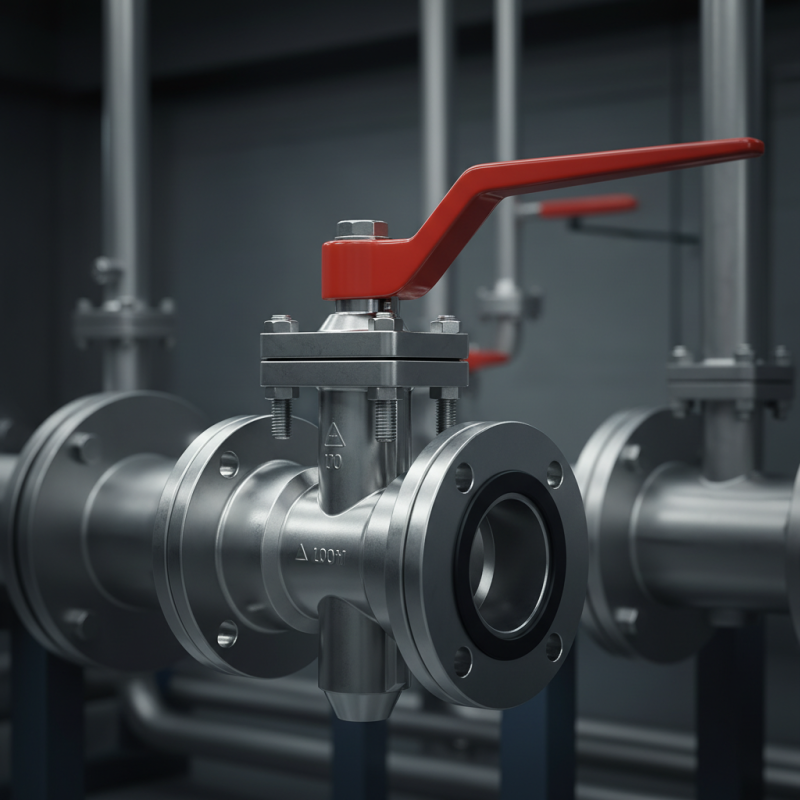
Lugged butterfly valves are essential components in many systems. They help control the flow of fluids. Their design provides a tight seal and enables easy operation. Understanding how they function is crucial for effective implementation.
These valves consist of a disc that rotates within a pipeline. When the disc is aligned with the flow, it allows maximum fluid passage. When the disc is turned perpendicular, it blocks the flow completely. This straightforward mechanism offers reliable performance across various applications. However, proper selection based on specific project needs is often overlooked, leading to inefficient outcomes.
Installation considerations also matter. Lugged butterfly valves have threaded holes for bolting. This feature allows easier mounting and dismounting. Yet, improperly installed valves can lead to leaks. It’s vital to assess your system's requirements before making a choice. Overestimation of pressure ratings can cause costly errors. Evaluate all aspects carefully, from material compatibility to pressure limits.
Identifying Key Specifications for Your Project Needs
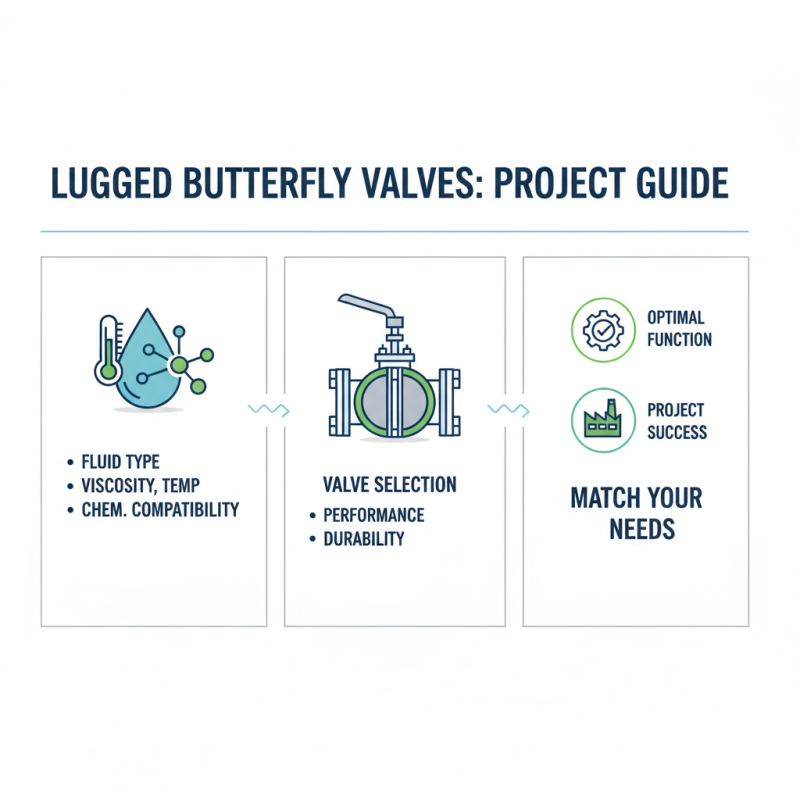
Choosing the right lugged butterfly valve for your project requires a careful assessment of your specific needs. Start by identifying the type of fluid you will handle. For example, consider viscosity, temperature, and chemical compatibility. Each of these factors can significantly impact valve performance. A valve that works well for water may not suit oils or chemicals.
Next, consider the size and pressure ratings. The valve's diameter must match your piping system. Pressure ratings should align with your system’s operating conditions. If you underestimate, it could lead to failures. Also, think about installation space. Sometimes, a larger valve fits, but your setup may not allow it.
Don’t forget to check the materials. Different environments may require specific metals or plastics. Corrosion resistance is vital for longevity. Be cautious about choosing inferior materials; durability might suffer. Sometimes, even minor details, like the sealing mechanism, can make a noticeable difference. Evaluate feedback from previous projects. Embrace the learning process. Every choice matters.
Evaluating Material Options for Longevity and Performance
When selecting a lugged butterfly valve, the material is crucial. Options vary greatly, affecting both durability and performance. Common materials include stainless steel, cast iron, and plastic. Each has unique properties. Stainless steel offers corrosion resistance. However, it can be quite expensive. Cast iron is robust and economical, but it may rust over time. Plastic is lightweight, yet it may lack the strength required for high-pressure applications.
Evaluating these materials can be a complex process. Consider the environment where the valve will be installed. Factors like temperature and the type of fluids are essential. High temperatures can damage plastic, while stainless steel withstands heat well. Think about potential maintenance too. Are you willing to replace components frequently? Many overlook this aspect. A durable valve saves money long-term, even if it costs more upfront.
Additionally, don't forget the valve's intended use. A valve in a wastewater system requires different qualities than one in a pharmaceutical setting. Understand the specific requirements of your project. Reassess your choices if needed. Often, what seems ideal at first may not hold up under real conditions. Balancing cost, performance, and longevity will lead to a better decision.
Material Options for Lugged Butterfly Valves
Assessing Pressure and Temperature Ratings for Optimal Use
Choosing the right lugged butterfly valve hinges on understanding pressure and temperature ratings. These two factors directly impact performance and longevity. For instance, a typical PVC butterfly valve may handle temperatures up to 140°F and pressures up to 150 psi. Exceeding these limits can lead to valve failure, disrupting operations.
Temperature ratings are crucial for applications in extreme environments. During the evaluation, consider the medium being transported. Water, chemicals, and gases have different thermal properties. Moreover, proper insulation can mitigate some temperature-related risks. According to a recent industry report by the Fluid Control Institute, improper temperature management can cause up to 30% decreased valve performance over time.
Additionally, pressure ratings cannot be ignored. Valves must withstand the maximum expected pressure in the system. A mismatch can result in leaks or bursts. Regular testing and maintenance is necessary, as performance can degrade. Engineering assessments often reveal that many installations do not meet the ideal rating criteria. This oversight can lead to increased operational costs.
How to Choose the Right Lugged Butterfly Valve for Your Project? - Assessing Pressure and Temperature Ratings for Optimal Use
| Valve Size (Inches) |
Pressure Rating (PSI) |
Temperature Rating (°F) |
Material |
Application |
| 2 |
150 |
250 |
Cast Iron |
Water Treatment |
| 4 |
200 |
300 |
Stainless Steel |
Chemical Processing |
| 6 |
250 |
150 |
PVC |
HVAC Systems |
| 8 |
150 |
200 |
Aluminum |
Food Processing |
| 10 |
300 |
400 |
Ductile Iron |
Mining |
Comparing Brands and Manufacturers for Quality Assurance
When choosing a lugged butterfly valve, the brand can significantly impact quality. A study from the Valve Manufacturers Association of America reveals that 35% of valve failures stem from inferior manufacturing processes. This statistic highlights the importance of selecting a trusted manufacturer that adheres to rigorous quality standards. Therefore, it is crucial to compare brands not just based on price, but also on their reputation for reliability.
Material quality is another critical factor. A report by the American Society of Mechanical Engineers states that valves made from high-grade materials outperform lower-grade counterparts by up to 50% in lifespan. While some manufacturers may claim to use superior materials, it’s essential to request specific data or certifications. Look for detailed performance metrics to ensure the valve will meet project demands.
In addition, consider after-sales service. A limited warranty or lack of support can lead to problems down the line. Poor customer service can overshadow even the best products. Gathering user reviews and feedback can sometimes reveal patterns about each brand’s strengths and weaknesses. Keep in mind that no product is flawless. Every choice carries risks, and understanding those risks is part of the selection process.