How to Choose the Best Uhmwpe Liner Sheet for Your Needs?
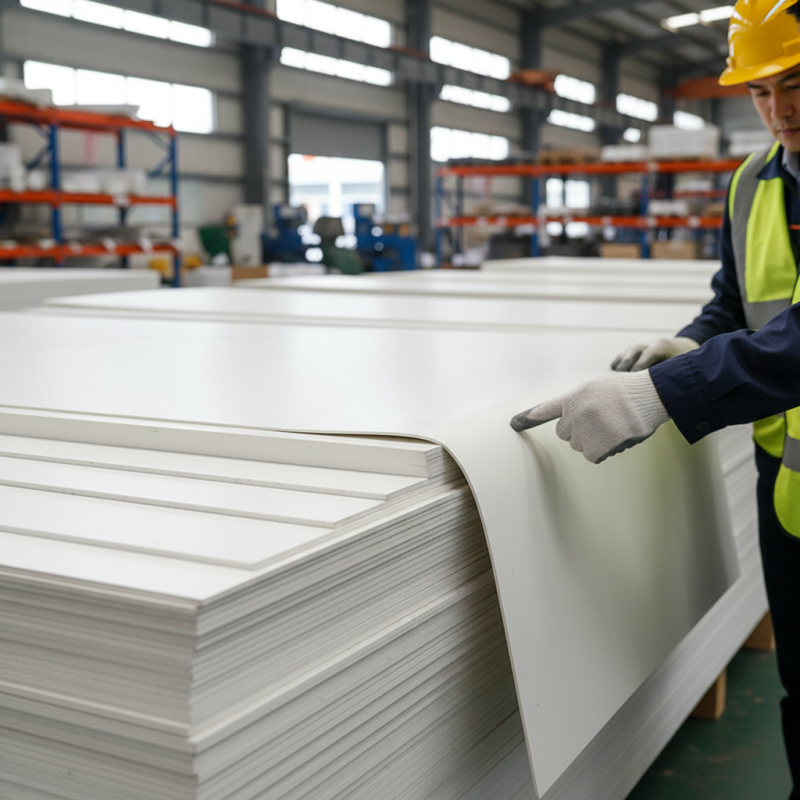
Choosing the right Uhmwpe Liner Sheet can be challenging. The market offers various options, each designed for specific applications. These sheets excel at high-impact resistance and low-friction properties. With the right selection, you can enhance efficiency and reduce wear.
Consider your specific needs. The thickness and size are crucial factors. Different projects may require varying degrees of flexibility or rigidity. Evaluate the environment where the Uhmwpe Liner Sheet will be used. Harsh conditions may demand more robust materials.
Experience plays a vital role in making this decision. Consult with experts who understand the nuances of these sheets. Their insights can save time and resources. Quality assurance is paramount. Ensure you choose a reputable supplier to avoid subpar products. Every choice you make affects performance and longevity. Reflecting on your options will lead to a better outcome.
Understanding UHMWPE: Properties and Advantages
UHMWPE, or Ultra-High-Molecular-Weight Polyethylene, is a material known for its remarkable properties. It is highly resistant to wear, impact, and chemicals. This makes it an ideal choice for various industries. Its low friction coefficient enhances performance, especially in environments with heavy machinery. Moreover, UHMWPE is lightweight yet incredibly strong, providing durability without adding unnecessary weight.
When selecting a UHMWPE liner sheet, consider key factors such as thickness and surface finish. Thicker sheets often provide additional protection against wear. Smooth surfaces can reduce friction, which is vital in applications like conveyor systems.
Tips: Always evaluate the specific needs of your project. Consider environmental conditions that may affect material performance. Don’t overlook your budget, but remember that quality is essential. It's easy to choose based on price, but the right UHMWPE sheet can save costs in the long run through improved efficiency and longevity. Finding the perfect balance between cost and quality requires thoughtful analysis.
Assessing Your Specific Needs for UHMWPE Liner Sheets
When selecting UHMWPE liner sheets, it's crucial to assess your specific needs. Consider the environment where the liner will be used. Will it face heavy wear and tear? If so, opt for a thicker sheet that provides better durability. Understanding the application can greatly influence your choice. For instance, mining applications may require enhanced resistance to abrasion and impact.
Evaluate the dimensions and shape required for your project. Custom sizes are often available, which can help maximize efficiency and minimize waste. It’s also wise to take stock of local climate conditions. Extreme temperatures can affect the material properties of UHMWPE. Moisture exposure and UV light can also play a role in longevity and performance.
In some cases, it might be beneficial to consult with a specialist. They can provide insights based on experience. Testing samples before making a large purchase could save time and resources. Don't overlook feedback from previous projects, as it often highlights potential issues. Reflect on your unique requirements to find the best fit.
How to Choose the Best Uhmwpe Liner Sheet for Your Needs?
| Criteria | Description | Importance Level |
| Thickness | Select the right thickness based on the application to ensure durability. | High |
| Size | Measure the area to cover and choose a size that minimizes waste. | Medium |
| Chemical Resistance | Consider the types of chemicals the liner will be in contact with to prevent degradation. | High |
| Temperature Resistance | Ensure the liner can withstand the temperature ranges of your application. | Medium |
| Load Capacity | Determine the weight and stress the liner will experience to avoid failures. | High |
Key Factors to Consider When Choosing UHMWPE Thickness
When selecting UHMWPE liner sheets, thickness is a critical factor. The thickness impacts durability and performance. Reports indicate that thicker sheets, ranging from 0.5 inches to 1 inch, provide enhanced wear resistance. However, they may limit flexibility in some applications. A balance is needed to meet specific use cases.
Consider the application environment. For high-impact scenarios, a thicker liner is advantageous. Research shows that in mining applications, liners over one inch can extend service life significantly. On the other hand, thinner options can suffice for non-abrasive uses, maintaining cost-effectiveness. Review project requirements to determine the appropriate thickness without over-engineering.
Another aspect is the weight of the UHMWPE sheet. Thicker liners weigh more, increasing installation challenges. Workers must consider equipment capabilities. Installation may require heavier machinery for thicker materials. Reflect on the logistical implications of the chosen thickness. What works in theory may pose hurdles on-site. Ultimately, understanding how thickness affects other factors is key to a successful decision.
Choosing the Best UHMWPE Liner Sheet Thickness
This bar chart illustrates the recommended applications based on different UHMWPE liner sheet thicknesses. As the thickness increases, so does the number of appropriate applications, showcasing the versatility of thicker materials.
Comparing Different UHMWPE Brands and Manufacturers
When selecting a UHMWPE liner sheet, it is important to compare different brands and manufacturers. Quality can vary significantly among suppliers. Some brands may prioritize cost over performance. This can lead to unexpected wear and lesser durability in applications. Researching product specifications is essential. Look for information on thickness, density, and impact resistance.
User reviews can provide insight into real-world performance. Many customers share detailed experiences regarding product longevity and suitability for specific tasks. It's important to consider these testimonials. However, not all reviews are reliable. Ensure you check multiple sources before making a decision.
Visit trade shows or industry events to see products firsthand. Engaging with manufacturers can deepen your understanding of their offerings. Ask questions about their production processes and materials. Sometimes, manufacturers are eager to share their expertise. This dialogue can reveal the strengths and weaknesses of their products. This exploration helps clarify which UHMWPE liner sheet fits your needs best.
Installation and Maintenance Tips for UHMWPE Liner Sheets
When installing UHMWPE liner sheets, proper surface preparation is crucial. Ensure the area is clean and dry. Remove any debris, oil, or grease. A flat surface enhances the adhesion of the liner. Trimming the sheets to size is often necessary. Measure accurately to avoid gaps that could compromise performance.
Maintenance is key to the longevity of your UHMWPE liner sheets. Regular inspections can identify wear and tear early. Look for signs of stress or damage. Clean the surfaces periodically with mild soap and water to remove contaminants. Avoid harsh chemicals that might degrade the material.
While UHMWPE is durable, its installation is not foolproof. It may require adjustments after initial placement. Ensure sheets fit snugly without excess tension. Over time, the liner may shift due to temperature changes. Regular re-evaluations help in addressing issues that arise. Proper care and vigilance can lead to satisfaction with your UHMWPE liner sheets.