How to Choose the Best Bagasse Sugarcane Plates for Your Business?
Choosing the right Bagasse Sugarcane Plate can significantly impact your business. These eco-friendly plates serve as a sustainable alternative to plastic. With rising environmental concerns, many companies seek to reduce waste. Bagasse, a byproduct of sugarcane, provides a biodegradable option for food service.
However, not all plates are created equal. Factors such as thickness, size, and design play crucial roles in functionality. Lightweight plates may be convenient but could compromise sturdiness. Businesses need to identify their unique needs before purchasing. Understanding these variables can lead to better customer satisfaction and reduced waste.
Reflecting on the market, several brands claim to offer the best options. It can be overwhelming. Consider testing different products to gauge their reliability and performance. Inexperienced buyers often overlook the importance of quality. Ultimately, investing time in choosing the right Bagasse Sugarcane Plate can enhance your brand’s sustainability efforts.
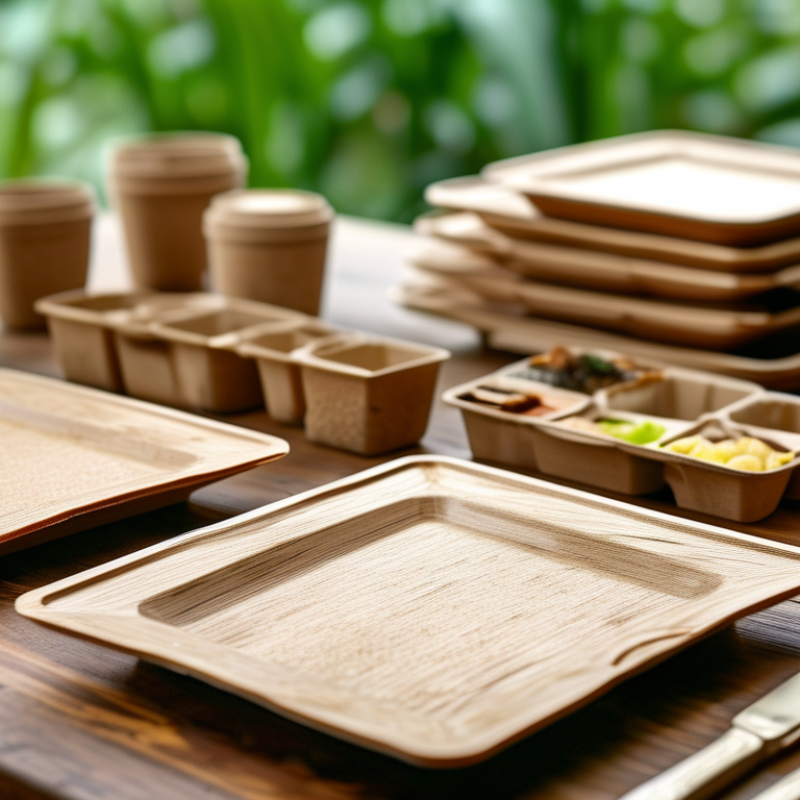
Understanding Bagasse Sugarcane Plates and Their Benefits for Businesses
Bagasse sugarcane plates are an eco-friendly option made from the fibrous residue left after extracting juice from sugarcane. They are gaining popularity for businesses looking to enhance sustainability while maintaining quality. These plates are biodegradable and compostable, reducing environmental impact. Many consumers appreciate products that support eco-conscious practices.
Choosing the right bagasse plates involves considering various factors. Look for plates that are sturdy enough to hold both hot and cold foods. This versatility is essential for restaurants and catering services. Some plates may leak with certain dishes, so testing samples before purchase is wise.
Focus on sourcing from reliable suppliers. Ensure they follow ethical production practices. Transparency in sourcing reflects positively on your business. Check their certifications to verify compliance with environmental standards. Such due diligence builds trust with customers and enhances your brand's reputation.
Factors to Consider When Choosing Bagasse Sugarcane Plates
When selecting bagasse sugarcane plates, several crucial factors must be considered. First, the material quality affects both durability and usability. According to industry reports, high-quality bagasse plates boast a good strength-to-weight ratio. This ensures they hold up well, even under heavy foods like pasta or saucy dishes. Plates that are too thin may sag or break, compromising customer satisfaction.
Another important aspect is the environmental impact. Data indicates that bagasse products can reduce carbon footprint significantly compared to plastic. They are biodegradable and compostable, making them a sustainable choice for eco-conscious businesses. However, not all manufacturers adhere to the same environmental standards. It's essential to review the manufacturing processes to ensure they are responsible.
Additionally, the design of the plates can influence consumer perception. Unique shapes and sizes can enhance presentation, making meals more appealing. However, overly intricate designs may complicate stacking and storage. Balancing aesthetics with practicality is vital. Businesses should evaluate their specific needs while also considering how their choices reflect their brand's values.
Assessing Quality and Certifications of Bagasse Sugarcane Plates
When selecting bagasse sugarcane plates for your business, assessing quality and certifications is essential. Look for certifications that indicate sustainability and food safety. These may include ISO certifications, FDA compliance, and certifications from reliable environmental organizations. Quality plates should be sturdy, biodegradable, and free from harmful chemicals.
Consider the texture and thickness of the plates as well. Thicker plates generally provide better support for heavier meals. Aesthetics can also play a role in customer perception. Some plates may have a rougher finish while others appear more polished. Reflect on how these factors align with your brand values.
It's worth noting that not all products labeled as "eco-friendly" live up to their claims. Analyzing product reviews and seeking third-party inspections can offer insights into their reliability. Ensure that your suppliers are transparent about their sourcing and manufacturing processes. This accountability fosters trust and enhances your business's reputation.
Comparing Prices and Suppliers for Bagasse Sugarcane Plates
When selecting bagasse sugarcane plates for your business, it's crucial to evaluate prices and suppliers thoroughly. Industry data shows that the market for eco-friendly food service items has grown by 25% annually. This growth signifies an increased demand for biodegradable products like bagasse plates, which often range from $0.20 to $0.50 per plate.
It's essential to compare prices from multiple suppliers. Some may offer bulk discounts, while others may have hidden charges in shipping. An industry report indicates that over 60% of businesses focus on supplier reliability when sourcing these products. Prioritize suppliers who provide transparent pricing and clear product details. Check their certifications for compostability and sustainability.
Engaging with suppliers can reveal insights into additional costs, such as packaging and delivery. Many businesses overlook these factors, which can significantly impact overall expenditures. Since quality varies, consider ordering samples before making larger commitments. This approach enables you to evaluate not only the physical product but also the supplier's responsiveness and service quality.
Price Comparison of Bagasse Sugarcane Plates from Different Suppliers
Sustainability and Environmental Impact of Bagasse Sugarcane Plates
Bagasse sugarcane plates have gained popularity as an eco-friendly alternative to traditional plastic disposables. These plates are made from the fiber left after extracting juice from sugarcane. This process not only utilizes agricultural by-products but also minimizes waste. Since these plates are biodegradable, they decompose naturally, reducing landfill overflow. This feature makes them a sustainable choice for businesses seeking to lessen their environmental footprint.
However, despite their benefits, businesses should consider the sourcing and production of these plates. Not all bagasse plates are created equal. Some may be treated with chemicals, undermining their eco-friendliness. This raises questions about transparency in manufacturing processes. Assessing certifications and ensuring that manufacturers follow sustainable practices is crucial. Likewise, not all bagasse products are suitable for all types of food, so testing their durability under various conditions is essential.
Transitioning to bagasse plates is a step toward sustainability, but this shift should be thoughtful. Businesses must weigh their options carefully. In making choices, they should reflect on their overall impact and the long-term benefits of environmentally responsible products. With a conscious effort, it is possible to make a difference, one plate at a time.
How to Choose the Best Bagasse Sugarcane Plates for Your Business? - Sustainability and Environmental Impact of Bagasse Sugarcane Plates
| Criteria | Description | Benefits | Environmental Impact |
| Material Quality | Made from recycled sugarcane fiber. | Durable and heat-resistant. | Reduces plastic waste. |
| Size Variety | Available in multiple sizes for different needs. | Can serve various types of food. | Minimizes food waste by offering the right size. |
| Biodegradability | Completely biodegradable in composting environments. | Contributes to zero waste initiatives. | Less impact on landfills. |
| Cost-effectiveness | Competitive pricing compared to plastic options. | Affordable for bulk purchases. | Supports sustainable choices without breaking the budget. |
| Customizability | Options for printing or branding. | Enhances brand visibility. | Promotes sustainable branding. |