How to Choose a Night Vision Device Manufacturer in 2026?

Choosing a Night Vision Device Manufacturer in 2026 means looking beyond a bright product photo or a long specification sheet. A device may appear impressive in a showroom, yet perform poorly when a moving target crosses a dim, uneven field. Ask how the manufacturer tests image clarity, checks consistency between units, and supports products after delivery. Request clear specifications for the intended use, along with practical details such as battery life, housing durability, and service response times.

A careful comparison starts with evidence. Look for documented quality checks, traceable product information, and answers from staff who can explain technical limits without overstating performance. Ask to see sample images captured in conditions close to yours. Notice whether details remain visible at the edges, not only in the center. Small differences matter.

No source material was provided to verify a named expert’s quotation, so this introduction does not invent one. A useful principle is simple: evaluate demonstrated performance, not promises. The right Night Vision Device Manufacturer should explain what its products can do, where they have limits, and how those claims are tested. That may sound cautious. It is. A strong supplier welcomes precise questions and provides specific, checkable answers.
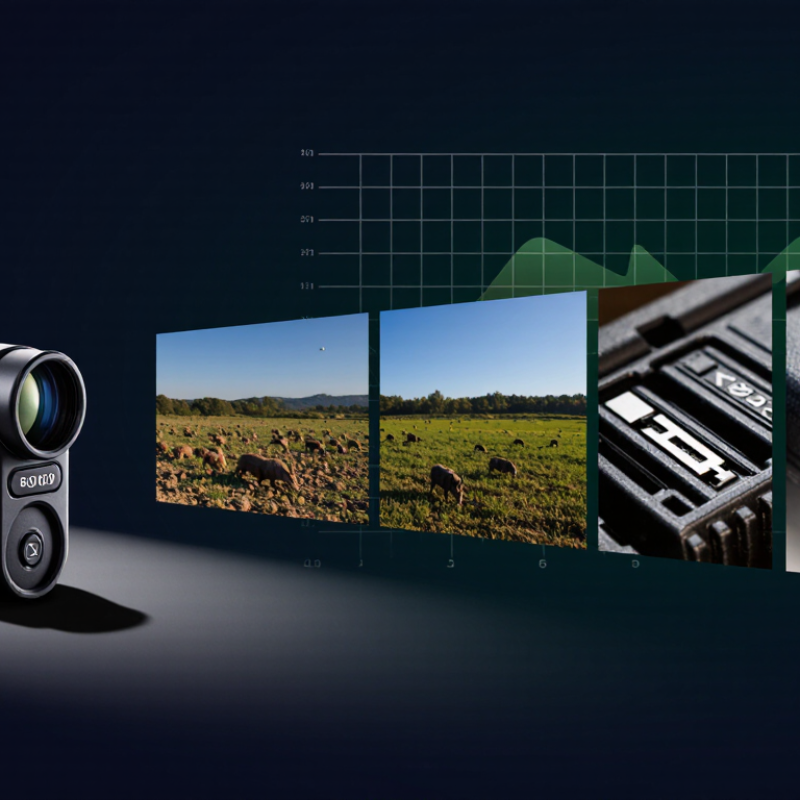
How to Choose a Night Vision Device Manufacturer in 2026?

Define Your Night Vision Requirements and Intended Use

Before comparing manufacturers, define what you need to see and where you will use the device. A wooded trail, a dim warehouse, and an open field create different viewing conditions. Note typical distance, available light, weather, and how long you will hold the device. Decide whether you need to detect movement or recognize useful details. Those are not the same requirement. A wide field of view can help you scan nearby areas, while magnification may matter more across open ground.

Tips: Write down your three most common viewing situations. Include distance and lighting. If possible, test a device at dusk, not just in a bright showroom.

Also consider weight, battery life, controls, and eye comfort. A device that feels manageable for five minutes may become tiring during a longer watch. Check whether the image remains clear when you move, and whether buttons are easy to find with gloves. Ask manufacturers for clear specifications and test conditions, not just maximum-range claims. Compare the same details across models. Even a careful checklist can miss something; record what felt awkward during testing, too. A small control issue can matter more than an impressive feature you rarely use.
Compare Available Technologies and Manufacturer Expertise

Choosing a night vision device manufacturer starts with comparing how each technology performs in your actual setting. Image-intensification systems amplify available light and can preserve fine details, but very dark conditions may require supplemental illumination. Thermal devices detect heat differences, making people and animals easier to distinguish through light haze or darkness. Digital low-light devices can offer recording and display features, though performance depends on sensor quality and ambient light. No option wins everywhere. Think about viewing distance, weather, motion, and whether identifying detail matters more than detection.

Manufacturer expertise is more than a polished specification sheet. Ask how devices are tested for focus consistency, image uniformity, battery life, and operation across expected temperatures. A useful answer includes test conditions and known limitations, not just a performance number. Request sample images or a supervised field evaluation in conditions close to yours. Check whether the manufacturer explains sensor calibration, lens options, maintenance, and replacement-part availability. Details matter.

Pay attention to how technical questions are handled. Can the team explain why one sensor suits your use better, and what it will not do well? Look for clear documentation, traceable quality checks, and realistic service timelines. An imperfect sign may be vague wording around range; ask what target size, weather, and display settings produced that figure. Even experienced evaluators can overlook ergonomics: try the controls with gloves and check whether the eyepiece remains comfortable during a long observation.

Evaluate Product Quality, Certifications, and Compliance

When choosing a night vision device manufacturer, treat quality certificates as a starting point, not proof of performance. The ISO Survey 2022 recorded 1,265,216 ISO 9001 certificates across 191 countries and economies. That reach makes the standard a useful quality-management baseline, but it does not verify image clarity or low-light performance. Ask for test reports tied to specific models and production batches. Check stated resolution, optical transmission, and performance across defined temperatures. Details matter.

Look for laboratories accredited to ISO/IEC 17025, and confirm the accreditation covers the tests shown. Request calibration records, inspection procedures, and evidence that failed units are tracked and corrected. I would not trust a tidy certificate folder alone; sampling can be thin. A real gap. Review current product documentation and ask how the manufacturer checks applicable safety, labeling, and market-access requirements for your destination. Confirm certificate scope and validity with the issuing body, rather than relying on a logo or sales sheet. A careful supplier should explain limits plainly, including results that vary between batches.

Assess Customization, Production Capacity, and Technical Support

In 2026, ask how a manufacturer handles customization before reviewing its catalog. Can it tune sensor response, lens options, housing, firmware, and calibration for your actual operating conditions? Request a written specification and a pilot unit. Test it in low light, then check image consistency across several devices. A polished demonstration is not enough.

Production capacity matters when an order grows. Ask for monthly output, typical lead times, component traceability, and quality-control records. Deloitte’s 2024 Smart Manufacturing Survey found that 86% of surveyed manufacturers expect smart manufacturing to drive competitiveness within five years. This broad manufacturing benchmark is not night-vision-specific, but it underscores why controlled, measurable production processes matter. Ask how the supplier handles a sudden increase in volume without changing inspection standards. Get the answer in writing.

Technical support should be defined before delivery. Check response times, repair options, spare-part availability, firmware update procedures, and training for your team. Ask who handles calibration issues after installation. A useful supplier can explain a fault without hiding behind jargon. Test the support process with a real technical question; note how clearly and quickly the team responds. One detail is easy to miss: confirm whether repair turnaround times include shipping and diagnostic delays.

Verify Performance Claims and Select a Qualified Manufacturer

How to Choose a Night Vision Device Manufacturer in 2026?

In 2026, compare measured performance, not polished sales language. A detection-range figure means little without target size, ambient conditions, and test distance. Ask for proof. Request test reports that explain the method, equipment, and date. Check whether resolution, sensitivity, and operating temperature were measured under stated conditions.

Compare claims against your intended setting. A device tested on a clear, dry night may behave differently in fog, glare, or cold weather. If possible, evaluate a production unit in realistic conditions and record what you see. A short demonstration is useful, but it cannot replace repeatable results. I would not treat one impressive viewing session as proof of consistent performance.

A qualified manufacturer should provide traceable inspection records, clear quality-control procedures, and practical warranty terms. Ask how units are calibrated, how defects are handled, and whether technical support can explain test data plainly. Independent test results add confidence when available. Look for consistent documentation, not just a certificate on a wall. Response times and repair access matter too. A confident answer is helpful; a verifiable one is better. Even careful testing has limits, and some claims may remain uncertain.

How to Choose a Night Vision Device Manufacturer in 2026

Suggested evaluation weights for verifying performance claims and selecting a qualified manufacturer

These buyer-defined percentages are a practical comparison framework, not an industry benchmark or survey result. Request test reports for claimed image performance and environmental ratings, plus quality-system records, traceability details, and written warranty and service terms.

Request a Quote/Further Information

    Download