How to Choose the Right Sampling Wire Harness for Your Needs?
Choosing the right Sampling Wire Harness is crucial for optimizing performance in various applications. According to industry expert Mark Thompson, “A well-designed wire harness can make or break the reliability of your system.” This underscores the importance of making informed decisions.
When selecting a Sampling Wire Harness, consider key factors like application requirements, material quality, and connectivity options. Without addressing these elements, you risk compromising performance. Often overlooked, the details in design can lead to serious issues down the line.
In a rapidly evolving tech landscape, relying on established standards is essential yet challenging. Awareness of the latest trends helps in making better choices. Remember that not every harness is a perfect fit for every task. Reflecting on your specific needs is vital. The right Sampling Wire Harness can enhance efficiency and reliability, shaping your project's success.
Understanding the Importance of Sampling Wire Harness in Manufacturing
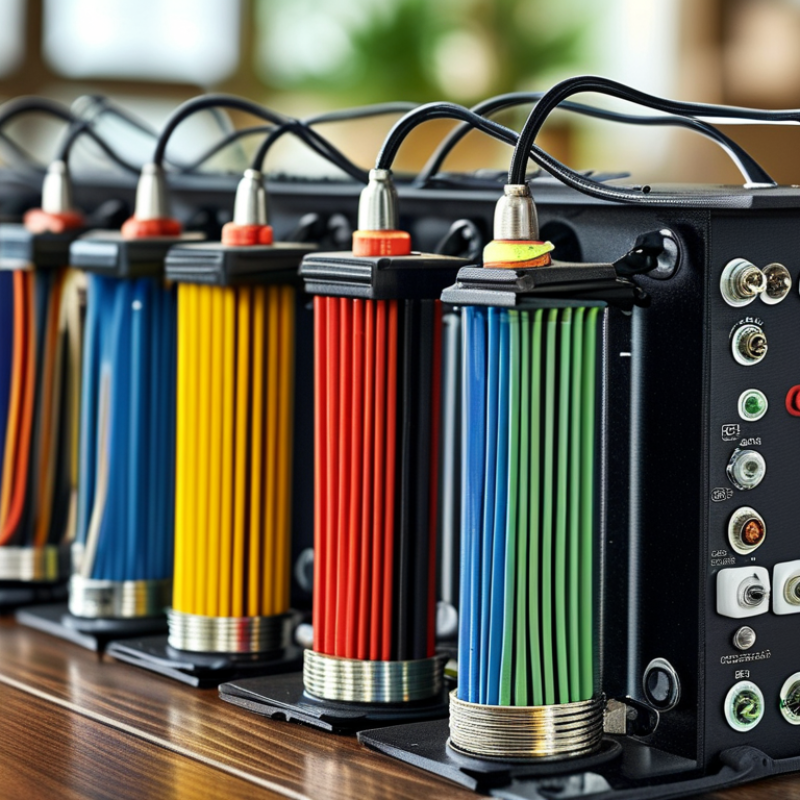
Sampling wire harnesses play a crucial role in manufacturing processes. They serve as prototypes to test functionality. Utilizing a sampling wire harness helps in ensuring the quality of the final product. It enables manufacturers to identify potential issues early. This proactive approach can save time and money in the long run.
In the manufacturing landscape, precision matters immensely. A well-designed wire harness can streamline assembly and reduce errors. When selecting a sampling wire harness, consider the specific requirements of your project. Think about the gauge, material, and configuration. Each aspect contributes to the effectiveness of the harness. A mismatch can lead to complications later. Challenges often arise if these factors are overlooked.
Remember, the choice of a sampling wire harness is not just about specifications. It’s also about understanding your production process. Engaging with experts can provide insights. However, relying solely on expert opinions might not capture every unique aspect of your project. Always reflect on your specific needs to ensure optimal results. This thoughtful approach can lead to better overall performance in your manufacturing operations.
Key Factors to Consider When Selecting a Sampling Wire Harness
When selecting a sampling wire harness, several key factors come into play. First, understanding your application's specific requirements is essential. A report from the Technical Wiring Association indicates that 60% of harness failures result from mismatched specifications. For instance, consider the wire gauge, length, and connector types suited to your equipment. A misplaced connector can lead to performance issues.
Another factor is environmental considerations. Different environments expose wire harnesses to various conditions, including temperature and moisture. A study published in the Journal of Electrical Engineering suggests that harnesses operating in extreme conditions can face a 30% reduction in lifespan when not properly rated. Ensuring that your wire harness meets these environmental standards is crucial for longevity.
Cost is often a consideration, but it should not overshadow quality. While cheaper harnesses may seem inviting, they can lead to higher expenses down the road. Over 40% of companies report increased operational costs due to wire harness failures. In summary, a balance between quality, environmental compatibility, and cost is necessary.
How to Choose the Right Sampling Wire Harness for Your Needs?
| Factor | Description | Importance Level |
| Wire Gauge | The thickness of the wire, affecting current capacity and flexibility. | High |
| Insulation Material | Material surrounding the wire which provides protection from heat and abrasion. | Medium |
| Connector Type | The style of connectors used, which must be compatible with devices. | High |
| Length | The total length of the harness, which should meet specific installation requirements. | Medium |
| Operating Temperature | Temperature range that the wire harness can safely operate within. | High |
| Environmental Resistance | Resistance to chemicals, moisture, and UV damage, depending on application. | Medium |
Comparing Different Materials and Ratings for Optimal Performance
When selecting the right sampling wire harness, material choice is critical. Different materials provide unique advantages based on specific applications. For example, copper is a popular choice for its excellent conductivity. However, copper can be prone to corrosion if not properly insulated. This is something to reflect upon when deciding.
Consider the ratings of the wire harness as well. Rating indicates the wire's ability to handle voltage and current. Higher ratings often mean better performance, but they may also come with increased weight and size. It's essential to assess whether these factors align with your project requirements. Sometimes, thin wires may suffice for lower voltage needs while ensuring flexibility.
Performance is also affected by environmental conditions. Some materials resist heat better than others. Others may offer protection against chemicals. Think about where the wire harness will be used before finalizing your choice. Each environment poses its own challenges. Understanding these can lead to a more reliable selection process. Make every detail count in your decision-making.
Analyzing the Cost-Effectiveness of Custom vs. Standard Wire Harnesses
When evaluating wire harnesses, both cost-effectiveness and specific needs play crucial roles. Custom wire harnesses offer tailored solutions, fitting exact specifications. However, they often come at a premium. Standard wire harnesses, on the other hand, are more cost-effective for bulk applications. They may lack specificity but provide reliability for general uses.
Consider the long-term implications of your choice. Custom options might save time on assembly and reduce potential errors. However, they can lead to higher upfront costs. Standard harnesses, while cheaper, might require additional modifications down the line. It’s essential to weigh your immediate budget against the potential need for adjustments later.
In terms of practicality, taking a close look at your project requirements is vital. Think about factors like installation ease, performance, and longevity. A well-chosen wire harness not only meets functionality standards but also aligns with the overall project budget. Reflect on how much flexibility or specificity you truly need. Making the right choice demands a balance between cost and design precision.
Cost-Effectiveness of Custom vs. Standard Wire Harnesses
Evaluating Compliance Standards and Certifications for Wire Harness Quality
When selecting a sampling wire harness, compliance standards and certifications play a vital role in ensuring quality. Industry reports indicate that over 70% of manufacturers prioritize compliant wiring solutions to mitigate risks. Certifications such as ISO 9001 and IPC/WHMA-A-620 help ensure that wire harnesses meet specific quality benchmarks. These standards outline rigorous testing and performance requirements, ensuring reliability in various applications.
Evaluating these compliance standards can be complex. Many manufacturers struggle to navigate the multitude of regulations, leading to inconsistent product quality. For instance, the IPC-620 standard checks for solderability, insulation resistance, and connector integrity, which are crucial for safety and functionality. Often, companies overlook these certifications during the selection process, which can lead to expensive failures down the line.
Moreover, certifications can differ significantly by region and application. The automotive sector, for example, demands strict adherence to standards such as TS16949, while consumer electronics may focus more on compliance with RoHS and REACH regulations. Understanding these distinctions can be challenging, especially for smaller organizations. Continuous training and expert consultation can help businesses stay informed, ensuring a higher level of product integrity and performance.