How to Choose the Right Gas Valves for Your Home and Safety Needs
Choosing the right gas valves for your home is crucial for ensuring safety and efficiency in your gas systems. As John Smith, a leading expert in the gas industry, aptly states, "The right gas valves can make all the difference between a safe, well-functioning home and a potential hazard." With the increasing reliance on gas appliances in households, understanding the various types and functionalities of gas valves becomes essential for homeowners and professionals alike.
Gas valves are pivotal components in managing the flow of gas, and selecting the appropriate ones requires careful consideration of several factors, including pressure ratings, compatibility with gas types, and safety certifications. Homeowners need to prioritize safety by investing in valves that meet stringent safety standards to prevent leaks and ensure efficient gas flow. This guide aims to navigate you through the complexities of gas valves, providing insights into how to make informed choices that align with your safety needs and enhance your home's functionality. As we delve deeper into the specifics, it will become clear that the right gas valves not only protect your home but also contribute to a more sustainable and efficient environment.
Understanding the Different Types of Gas Valves and Their Applications
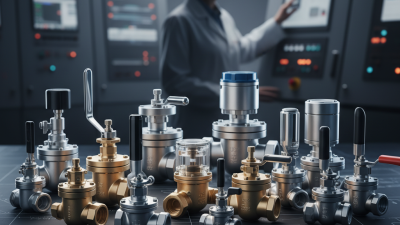
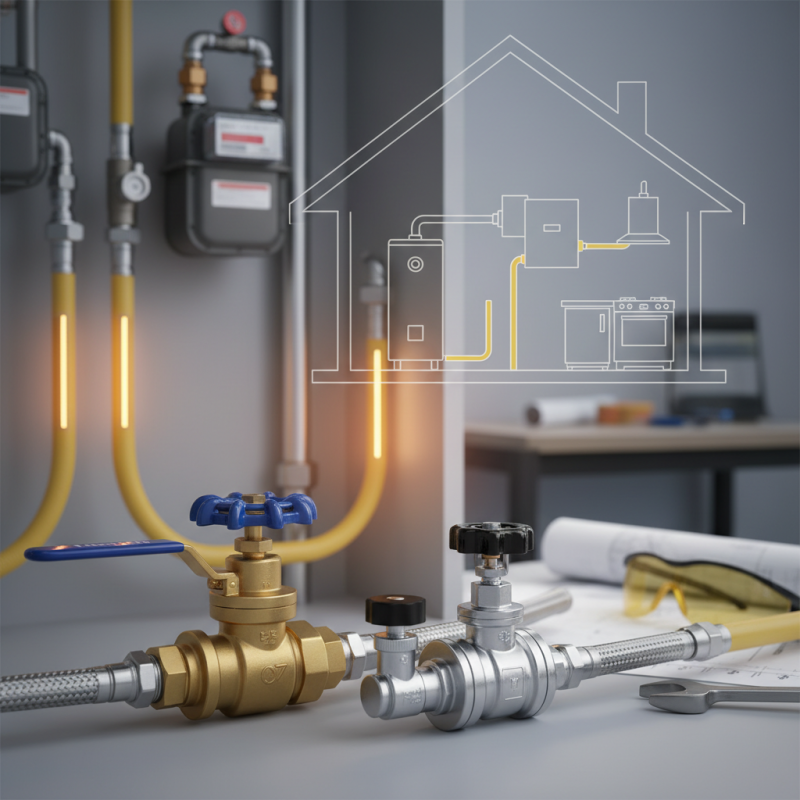
When choosing gas valves for home safety, it is essential to understand the various types of gas valves available and their specific applications. The primary categories include manual valves, solenoid valves, and pressure relief valves. Manual valves allow for immediate shut-off and are typically used in gas appliances such as stoves and heaters. In contrast, solenoid valves are electromechanical devices that provide automatic control of gas flow, primarily used in systems where remote operation or safety shut-off is necessary. According to industry reports, the demand for solenoid valves in residential applications has seen a steady increase, attributed to advancements in smart home technologies that prioritize safety and efficiency.
Another critical aspect to consider is the pressure rating and material of the gas valves. Valves are available in different pressure ratings which correspond to their intended applications. A study conducted by the American Society of Mechanical Engineers (ASME) indicates that selecting valves with appropriate pressure ratings is crucial for preventing leaks and ensuring safety in gas distribution. Additionally, materials such as brass, stainless steel, and plastic are commonly used for different valve types. Their choice often depends on the gas type, temperature, and installation environment. Utilizing reports from the National Fire Protection Association (NFPA), it is clear that improper selection of materials and valve types can significantly increase safety risks in a home.
How to Choose the Right Gas Valves for Your Home and Safety Needs
| Valve Type |
Application |
Safety Features |
Installation Considerations |
| Ball Valve |
Main gas supply |
Quick shutoff, durable |
Requires space for actuation |
| Gate Valve |
Pipeline isolation |
Low resistance to flow |
Needs full open/close rotation |
| Globe Valve |
Regulating flow |
Precise flow control |
Higher pressure drop |
| Check Valve |
Prevent backflow |
Automatic operation |
Install in correct orientation |
| Safety Shut-off Valve |
Emergency situations |
Automatic shut-off, manual override |
Regular maintenance recommended |
Key Safety Standards and Regulations for Residential Gas Valves
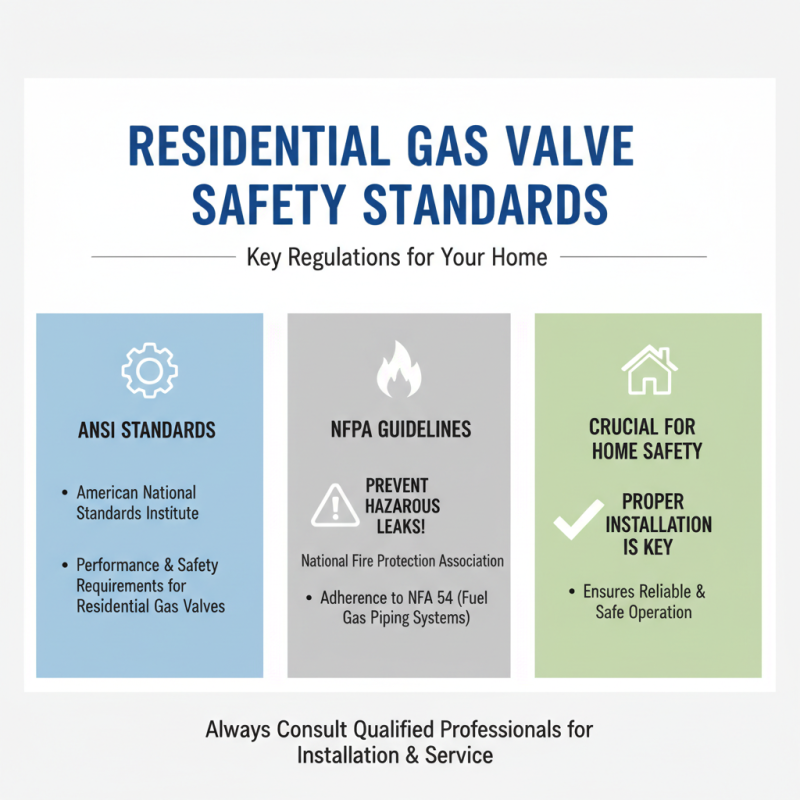
When selecting gas valves for residential use, understanding the key safety standards and regulations is crucial. Devices must comply with the American National Standards Institute (ANSI) standards, which outline performance and safety requirements for gas valves used in homes. According to the National Fire Protection Association (NFPA), improper installation or malfunctioning valves can lead to hazardous leaks, emphasizing the need for adherence to guidelines such as NFPA 54, which governs fuel gas piping systems.
Tip: Always check for certifications from recognized standards organizations before purchasing a gas valve. Valves approved by the American Gas Association (AGA) and Underwriters Laboratories (UL) ensure higher safety and reliability in your home's gas system.
Regular inspections are another vital factor. The American Society of Mechanical Engineers (ASME) suggests conducting annual checks on gas valves to identify potential issues before they become serious threats. This preventative approach is key in reducing risks associated with gas leaks and ensuring the safe functioning of appliances connected to the gas supply.
Tip: Consider engaging a certified technician for installation and maintenance; they are equipped with the knowledge to adhere strictly to the safety regulations. This helps in complying with local building codes and enhances overall safety in your living environment.
Factors to Consider When Choosing Gas Valves for Home Use
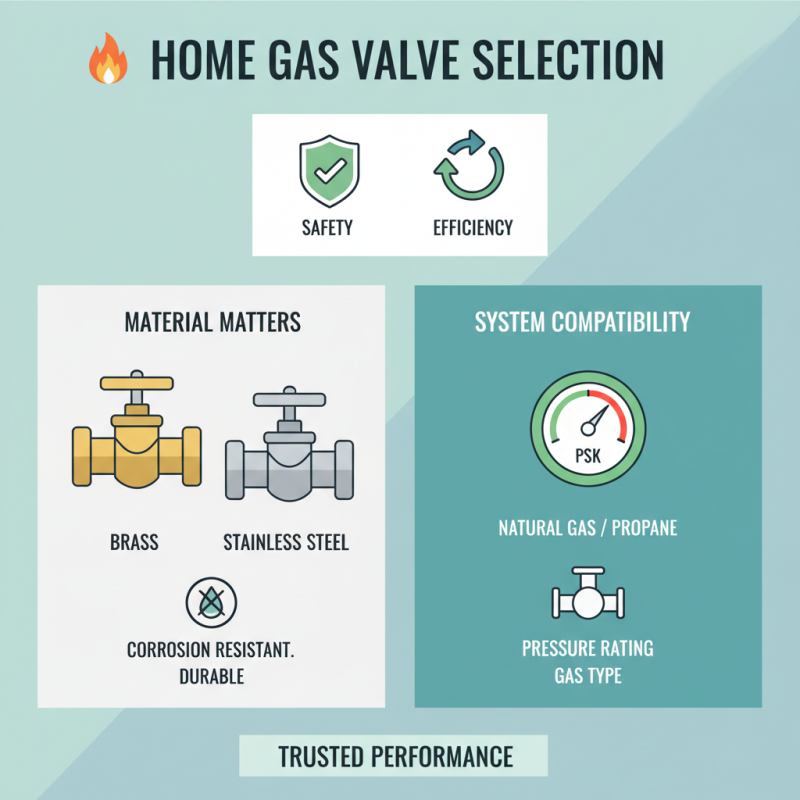
When selecting gas valves for home use, safety and efficiency should be your primary concerns. First, consider the material of the valve. Valves made from durable materials, such as brass or stainless steel, are often preferable due to their corrosion resistance and robustness. It’s crucial to choose a valve that can withstand the pressures of your specific gas system while also being compatible with the type of gas being used, be it natural gas or propane. Assessing the pressure rating ensures that the valve operates safely under the expected conditions.
Another important factor is the valve's size and connection type. Proper sizing is essential for maintaining the correct flow rate and pressure throughout your gas system. Mismatched sizes can lead to inefficiencies or dangerous situations. Additionally, ensure that the connection type aligns with your existing piping system, whether it requires threaded, soldered, or flanged connections. Lastly, consider the ease of operation; look for valves that provide a clear open/close indication. This can help ensure that users can easily access and manipulate the valve for safety during emergencies or maintenance.
How Valve Sizing Affects Gas Flow and Safety in Residential Settings
When selecting gas valves for residential use, understanding valve sizing is crucial for ensuring proper gas flow and maintaining safety. The size of a valve directly impacts the volume of gas that can pass through it, and therefore, influences how effectively your home can utilize gas appliances. A valve that is too small will restrict the flow, potentially leading to inefficient performance and hazards such as gas odors or incomplete combustion. Conversely, an oversized valve may lead to erratic gas flow and can jeopardize the stability of appliances that rely on consistent gas pressure.
In addition to the physical size of the valve, other factors such as the gas type, pressure requirements, and the overall layout of the gas piping system must be considered. Each home may have unique needs based on its specific configuration and gas consumption habits. Proper valve sizing ensures that appliances operate within their designed specifications, enhancing not only performance but also safety by reducing the risk of leaks or malfunctions. By prioritizing correct sizing, homeowners can create a safer environment while optimizing the efficiency of their gas-powered systems.
Gas Valve Sizing and Its Impact on Flow Rate
This bar chart illustrates the relationship between gas valve sizes and their corresponding flow rates in cubic feet per hour (CFH). Larger valve sizes allow for higher gas flow, which is essential for ensuring safety and efficiency in residential settings.
Maintenance Tips for Ensuring Gas Valve Longevity and Safety
Proper maintenance of gas valves is essential not only for their longevity but also for ensuring safety in your home. Data from the American Gas Association suggests that regular inspections can reduce the risk of gas leaks by up to 50%. This highlights the importance of adhering to scheduled maintenance and checking components such as seals and gaskets for wear and tear. Homeowners should familiarize themselves with the operation of their gas valves, looking out for any unusual sounds or behavior, as these could be early indicators of malfunction.
In addition to inspections, cleaning the gas valves periodically can help prevent buildup and corrosion, which are common contributors to valve failure. The National Fire Protection Association recommends that homeowners utilize a soft brush or cloth to remove dust and debris around the valve areas. Furthermore, ensuring that the surrounding environment is clear from moisture and other corrosive elements can significantly extend the life of your gas valves. By incorporating these maintenance tips into your routine, you'll not only enhance the functionality of your gas system but also contribute to a safer living environment.