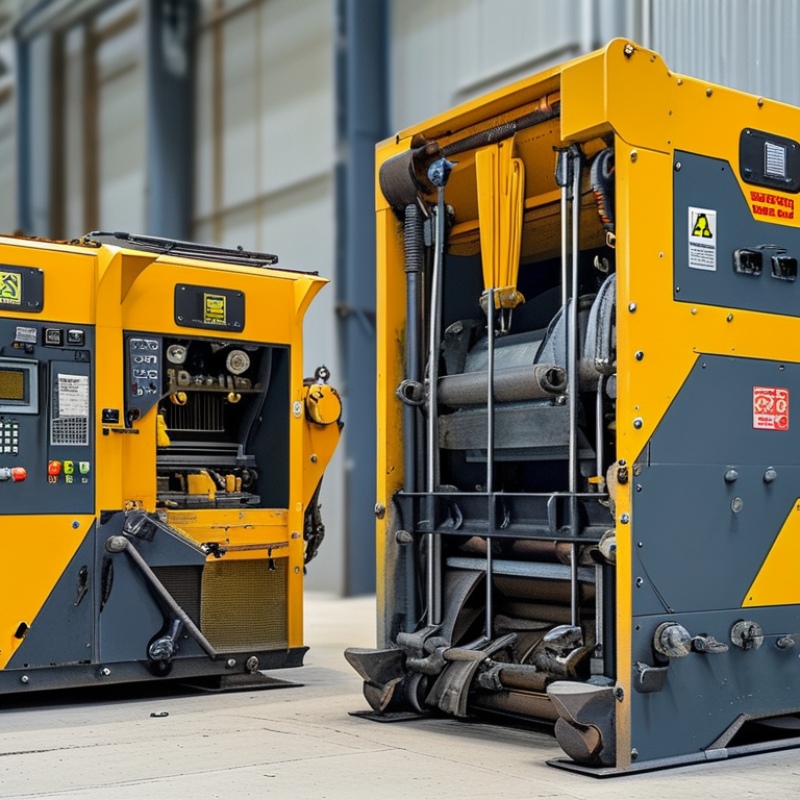
How to Choose the Best Waste Bale Press Mac for Your Needs?
Choosing the right Waste Bale Press Mac can be challenging. It requires a good understanding of your specific needs. Experts like John Smith, a leader in waste management technology, emphasize, “Selecting the right equipment is crucial for efficiency.”
When looking for a Waste Bale Press Mac, consider the capacity and ease of use. A machine that is too large can waste resources. Conversely, a model that is too small may not handle your waste volume effectively. Each detail counts.
Evaluate different features and ensure they match your operations. Durability is essential for long-term investment. Remember, a good Waste Bale Press Mac can significantly improve waste handling. However, mistakes in selection can lead to operational issues. Reflect on your unique requirements before making a decision.
Understanding the Different Types of Waste Bale Press Machines
When selecting a waste bale press machine, understanding the types available is crucial. There are horizontal and vertical machines, each designed for specific needs. Horizontal balers are ideal for high-volume operations. They produce dense bales quickly, making them suitable for large facilities. Vertical balers, on the other hand, occupy less space. They are perfect for smaller businesses with moderate waste.
Another important type is the auto-tie baler. This machine automatically ties bales, reducing labor costs. It streamlines the process, allowing faster production. Manual balers require more operator involvement. They are generally more cost-effective but can slow down operations. Consider your operational needs when choosing.
You might find some machines inefficient for your specific waste type. For instance, a machine designed for cardboard may not perform well with plastic. Not all machines handle mixed waste effectively. It's essential to assess your materials and volume. Think critically about long-term needs, not just immediate requirements.
Evaluating Key Features and Specifications for Your Needs
When selecting a waste bale press machine, understanding key features is essential. Look for machines with adjustable bale sizes to fit specific requirements. Reports indicate that more than 70% of waste management operations require tailored bale dimensions for efficient handling. Features like automatic feeding systems can enhance productivity and reduce labor costs significantly.
Tips: Consider energy consumption as a key factor. Machines that are energy-efficient can save up to 30% in operational costs.
Another critical aspect to evaluate is compression force. A stronger machine can handle larger volumes and more diverse materials. According to industry analyses, presses with at least 80 tons of force are optimal for mixed waste. Always check material compatibility to ensure the machine suits your waste type.
Tips: Research the maintenance requirements. A machine that is challenging to maintain will lead to increased downtime.
Assessing the Capacity and Size Requirements for Waste Processing
When selecting a waste bale press machine, capacity and size are crucial factors. Industries vary widely, with smaller businesses typically requiring machines that handle up to 1 ton per hour. In contrast, larger operations might need equipment capable of processing over 10 tons daily. According to a recent industry report, the average capacity of waste presses ranges from 500 kg to 2,500 kg per hour, depending on the type of waste.
Understanding your specific needs will help in making an informed choice. For instance, if your operation focuses on recycling plastics, a machine with a higher bale density may be advantageous. Conversely, if you primarily deal with paper and cardboard, a machine that offers versatility in processing sizes will likely be more efficient.
Tips: Always measure the space available for installation. Choose a model with dimensions that fit your facility. Additionally, consider future expansion; buying a machine with a slightly higher capacity can save you from needing another investment soon. Evaluate your waste processing trends. If your volume fluctuates, a variable capacity press might be the best option, despite sometimes being more costly.
Comparing Brand Reputation and Customer Reviews in the Market
When selecting a waste bale press machine, brand reputation and customer reviews play a crucial role. A company with a solid reputation often indicates reliability and quality. Look for brands that have been in the industry for several years. This longevity often reflects expertise and a commitment to serving their customers.
Customer reviews provide real insight into product performance. They reveal how machines function in practical settings. Genuine feedback highlights strengths and weaknesses. Some users may report issues that manufacturers do not always acknowledge. This aspect is essential for making a well-informed decision. Read various reviews across trusted platforms. Pay attention to recurring comments, both positive and negative.
However, reviews can sometimes be misleading. Some may come from biased sources or competitors. It’s crucial to consider the context of each review. A machine praised for efficiency might struggle under different operations. This variability emphasizes the need for thorough research. Aim for machines that meet your specific demands and challenges.
Determining Budget Considerations and Cost-Effectiveness of Options
When selecting a waste bale press machine, budget considerations are crucial. Industry reports indicate that the initial purchase price can vary significantly. Effective models might range from $3,000 to $10,000, depending on capacity and features. Maintenance costs should also be factored in, as they can amount to approximately 10-15% of the machine's initial cost each year.
Investing in a machine with higher efficiency can result in long-term savings. Reports suggest that efficient machines may reduce energy consumption by up to 30%. For a facility processing large volumes, this can lead to substantial operational savings.
**Tip:** Always calculate the total cost of ownership, including maintenance and operational expenses. Additionally, consider the machine's lifespan to assess its cost-effectiveness.
While it may seem daunting, researching machine options is essential. Some machines may promise low upfront costs but lead to higher expenses due to frequent repairs. Balancing initial costs with expected longevity can be challenging, yet it will ensure a better return on investment over time.
How to Choose the Best Waste Bale Press Mac for Your Needs?
| Model | Processing Capacity (Bales/hour) | Motor Power (KW) | Weight (kg) | Estimated Price ($) | Cost-Effectiveness Rating (1-5) |
| Model A | 5 | 5 | 800 | 5,000 | 4 |
| Model B | 8 | 7.5 | 1200 | 7,000 | 5 |
| Model C | 10 | 10 | 1500 | 9,000 | 5 |
| Model D | 4 | 4 | 600 | 3,000 | 3 |