How to Choose the Best UV Flatbed Printer for Your Business?
Choosing the best UV Flatbed Printer for your business is a crucial decision. This printer can greatly influence your productivity and creativity. Understanding the features of different models is vital. You want a machine that meets your specific needs.
When looking for a UV Flatbed Printer, consider your typical projects. Some printers excel at high volume, while others focus on detail. Assess your workspace too. Some printers require more space than you might have. Quality and reliability are essential; a machine that breaks down frequently can lead to delays.
Research is key. Seek recommendations from industry professionals. Read reviews and case studies. Different businesses have different experiences. This can shed light on the printer's performance in real-world settings. Remember, investing in a UV Flatbed Printer is not just about the initial cost; it’s about long-term value and support. Be mindful of potential drawbacks in any decision.
Factors to Consider When Choosing a UV Flatbed Printer for Business Needs
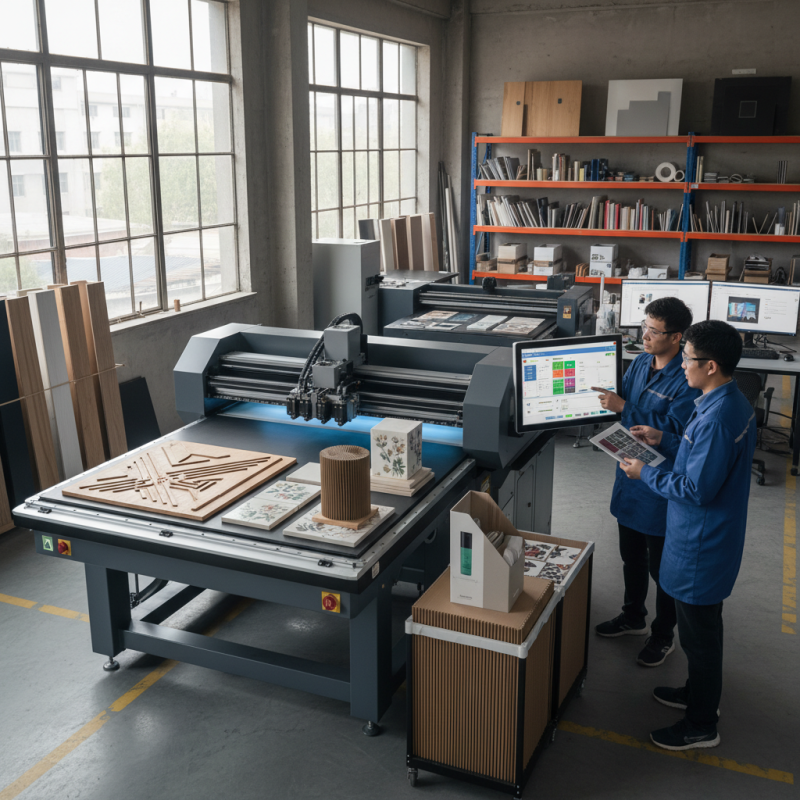
When selecting a UV flatbed printer, several critical factors come into play. Print quality is paramount. Look for resolutions that meet your specific needs. The color depth and precision of the printer can affect the overall finish of your products. Don’t overlook the importance of the print head technology. Different types, such as piezoelectric, can impact both speed and quality.
Consider the material versatility as well. Your printer should handle a variety of substrates, from wood to acrylic to metal. This flexibility will allow you to cater to more customers. Check the maximum media size too. Larger formats can help you expand your services, but ensure your workspace can accommodate such equipment.
Cost is another vital aspect. Budget not just for the initial purchase, but also for ongoing maintenance and consumables. It’s easy to underestimate long-term expenses. Take time to analyze the total cost of ownership. Explore customer reviews and case studies to gauge reliability and performance over time. A printer that seems ideal may not meet your daily needs after a few months. Don’t rush this decision. Proper research is key to finding a printer that fits your business goals and operations.
Understanding Printing Technologies: UV vs. Other Flatbed Printers
When considering UV flatbed printers, understanding the technology is crucial. UV printing involves using ultraviolet light to cure or harden the ink as it is printed. This process allows for immediate handling and reduces the risk of smudging. In contrast, other flatbed printers may utilize solvent-based or water-based inks. These methods can take longer to dry and often require additional layers of finishing.
The durability of UV prints stands out. These printed materials can be resistant to water and scratches, making them suitable for various applications. However, UV printing may also come with a higher upfront cost. Users should consider their specific business needs and volume capabilities. This technology is versatile, working on diverse substrates, from plastic to wood.
While UV printers offer efficiency and quality, they are not flawless. Users might encounter issues like ink curing inconsistencies. Regular maintenance and understanding the equipment are necessary. Moreover, the initial investment can be a hurdle for small businesses. Thorough research and analysis are essential to weigh these factors against the expected return. Finding the perfect balance can lead to substantial growth opportunities.
Key Specifications: Resolution, Speed, and Color Gamut in UV Printing
When selecting a UV flatbed printer, three key specifications come into play: resolution, speed, and color gamut. Resolution is crucial for detail. A higher resolution means sharper images. It is essential for printing high-quality graphics. However, a printer with too high a resolution may slow down production times. Finding the right balance is necessary.
Speed is another critical factor. A printer that operates quickly can boost your business efficiency. Yet, speed often comes at the expense of quality. Often, faster printers may produce prints that lack depth or detail. It is wise to assess your typical workload. If you require high volume, prioritize speed while keeping an eye on quality metrics.
Color gamut refers to the range of colors a printer can reproduce. A wider gamut allows for vibrant and accurate prints. It is especially important for projects demanding rich colors. On the downside, printers with a broader color range might require more maintenance and calibration. Business owners should weigh the pros and cons carefully.
Comparing Operational Costs: Maintenance and Consumables for UV Printers
When selecting a UV flatbed printer for your business, it's crucial to consider operational costs. Maintenance and consumables can significantly impact your total investment. Regular upkeep is essential to ensure optimal performance. This can involve periodic cleaning, replacement of parts, and software updates. You must be prepared for these expenses, as they can vary greatly depending on the printer model and usage frequency.
Consumables like inks and substrates also play a vital role in your overall costs. High-quality inks yield vibrant prints but often come at a higher price. Balancing quality and price is a delicate dance. Some businesses find cheaper alternatives, but these might compromise print quality and longevity. Understanding usage rates and ink consumption is key to budgeting.
Don't overlook the importance of research and quotes. Businesses sometimes fail to account for hidden costs in their calculations. Compare potential suppliers thoroughly. Seek out user reviews and expert insights for guidance. Every choice you make will shape your operational efficiency and profitability. Emphasizing these aspects can lead to better decision-making in the long run.
Operational Costs Comparison of UV Flatbed Printers
Evaluating Print Media Versatility: Materials Compatible with UV Flatbed Printers
When selecting a UV flatbed printer, the versatility of print media is crucial. These printers can handle a wide range of materials, making them ideal for diverse applications. Commonly used substrates include rigid materials like wood, glass, metal, and acrylic. Each surface requires specific preparation. For instance, glass often needs cleaning and priming to ensure adhesion.
The adaptability of UV flatbed printers extends to flexible materials as well. Banner materials, vinyl, and fabric can all be printed on. However, the results can vary. Ensuring the correct settings and inks are essential for achieving quality prints. Additionally, experimenting with different surfaces can lead to surprising outcomes. Some materials might not react well with certain inks, resulting in less vibrant colors or poor adhesion.
Printing on unconventional materials may lead to unexpected challenges. For example, textured surfaces could create uneven prints. Testing is vital. It can save both time and resources. Ultimately, understanding the characteristics of each material is key to optimizing your printing process and ensuring outstanding results. Embrace the trial-and-error aspect of working with diverse materials.
How to Choose the Best UV Flatbed Printer for Your Business? - Evaluating Print Media Versatility
| Material Type | Print Quality | Durability | Cost of Printing | Applications |
| Acrylic | High | Very Durable | Moderate | Signage, Displays |
| Wood | Good | Moderate | High | Furniture, Decor |
| Metal | Excellent | Very Durable | High | Industrial, Art |
| Canvas | High | Moderate | Moderate | Art Prints, Banners |
| Glass | Excellent | Very Durable | High | Decorative, Signage |
| Fabric | Good | Moderate | Low | Clothing, Banners |