China Top Selective Racking Solutions for Global Buyers?
Selective racking is essential in optimizing warehouse space. It allows for easy access to individual pallets, enhancing operational efficiency. However, selecting the right solution can be challenging for global buyers, especially with so many options available.
China specializes in providing top-tier selective racking solutions tailored to various business needs. Its advanced manufacturing processes ensure durability and reliability. Many buyers seek cost-effective solutions without compromising quality. This focus is crucial for building a competitive edge in the market.
While options are abundant, not all solutions meet international standards. It’s vital for buyers to conduct thorough research. Factors such as load capacity and warehouse design play significant roles in the selection process. In the journey of finding the right selective racking, buyers must reflect on their specific requirements and challenges.
China's Leading Selective Racking Manufacturers and Their Innovations
China's racking industry is evolving rapidly. Leading manufacturers focus on enhancing selective racking systems. Innovations aim to optimize storage efficiency and safety. Reports suggest that the global racking market could grow by 5.6% annually. This expansion indicates rising demand for advanced storage solutions.
Manufacturers are investing in automated systems. These systems reduce manual labor and improve accuracy. For instance, automated guided vehicles (AGVs) are becoming more common in warehouses. They assist in moving heavy loads efficiently. Some companies are exploring smart technologies, integrating IoT for real-time tracking. Data shows that racking systems equipped with these technologies increase productivity by up to 30%.
Despite progress, challenges remain. Companies face concerns about safety standards and maintenance. Reports indicate that about 20% of racking failures are due to improper installation. Continuous training and robust safety protocols are necessary. As the industry innovates, balancing growth with reliability will be crucial for long-term success.
Key Features of Selective Racking Systems Used in China
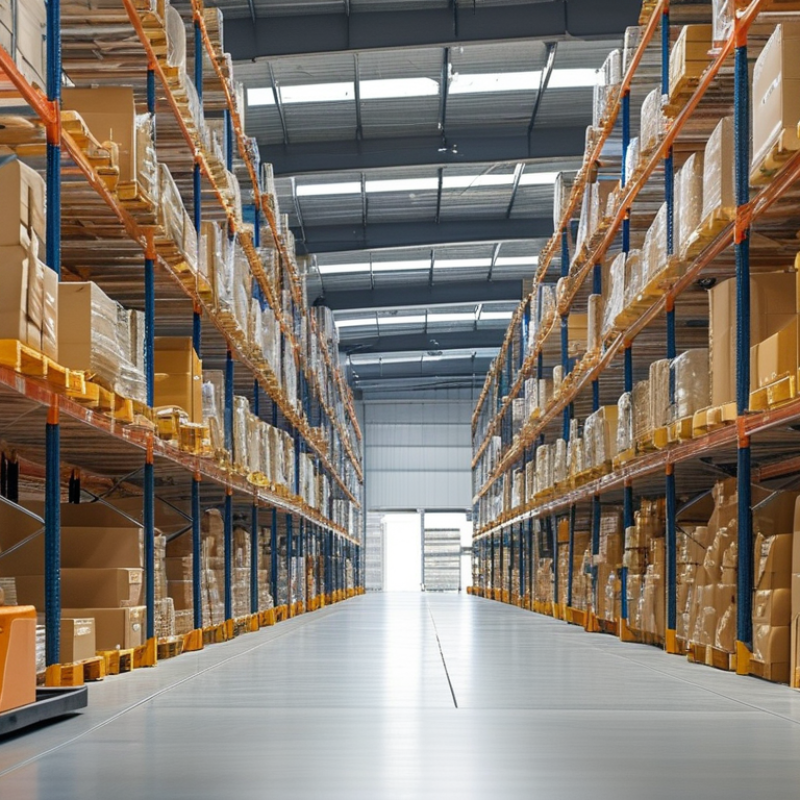
Selective racking systems are essential for warehousing operations in China. They offer a straightforward design that maximizes storage space. The adjustable shelves allow for customizable heights, accommodating various product sizes. This flexibility is vital for businesses dealing with diverse inventory. High-density storage solutions are achieved through these systems, significantly increasing warehouse efficiency.
Durability is another key feature of selective racking systems. These structures are usually made from high-quality steel, ensuring they can handle heavy loads. However, proper maintenance is crucial. Over time, wear and tear can impact their performance. Regular checks should be conducted to prevent potential hazards, ensuring safety and longevity. Additionally, some racks might not be easily accessible for all products, leading to inefficiencies in retrieval.
Aesthetics shouldn’t be overlooked. Many users consider how racking systems fit into their warehouse environment. While functionality is vital, a clean and organized look can improve employee morale. That said, achieving this balance can be challenging. Implementing innovative storage solutions while ensuring a seamless visual appeal remains an ongoing challenge for many warehouses.
Market Trends for Selective Racking Solutions in Global Warehousing
The global warehousing industry is experiencing significant shifts, particularly in selective racking solutions. According to recent industry reports, the global selective racking market is projected to grow at a CAGR of 8.5% from 2023 to 2030. This growth reflects the increasing demand for efficient space utilization and inventory management. In a time where warehouses are looking to maximize every square foot, selective racking remains a preferred choice.
Selective racking offers flexibility that is attractive to numerous sectors. Data shows that nearly 60% of warehouses now prioritize adaptability in their storage solutions. System configurations can be modified easily to accommodate diverse products. However, one challenge remains. Many businesses struggle with the efficient design and layout of their racking systems, leading to potential safety and operational issues. It is vital for warehouse managers to assess their unique needs and seek professional insights to avoid costly mistakes.
Moreover, sustainability is becoming a focal point. Reports indicate that 40% of warehouses plan to implement eco-friendly racking systems within five years. While many select traditional materials, innovative solutions using recycled materials are often overlooked. A conscious effort to incorporate sustainability can enhance brand reputation and operational efficiency. Navigating these market trends requires a keen understanding of both current statistics and future growth opportunities.
Comparative Analysis of Chinese and Global Selective Racking Products
When evaluating selective racking products, it is essential to compare Chinese offerings with those from other regions. Chinese manufacturers often provide cost-effective solutions with a variety of designs tailored for different industries. The wide range of options means buyers can find specific configurations that meet their storage needs. However, the quality control processes may vary significantly, leading to concerns about durability.
In contrast, global competitors might focus more on advanced engineering and compliance with international standards. This often results in a higher price point. Nevertheless, these products typically guarantee longevity and higher safety standards. Some buyers may feel tempted to prioritize cost over quality, but this decision can lead to unforeseen challenges in the long run.
In a competitive market, understanding the nuances between Chinese and global selective racking products is crucial. Buyers must assess their unique requirements, including load capacity, space utilization, and future scalability. Making an informed decision requires careful consideration and analysis.
Sustainability Practices in China’s Selective Racking Industry
Sustainability practices in China’s selective racking industry are gaining traction. Manufacturers are adopting eco-friendly materials and energy-efficient processes. According to a recent industry report, more than 40% of racking solutions now incorporate recycled materials. This shift signifies a commitment to reducing the carbon footprint associated with warehouse operations.
Furthermore, China’s selective racking manufacturers are increasingly investing in green technologies. For instance, a study found that over 30% of the leading companies in this sector have implemented renewable energy sources in their production lines. These practices not only decrease energy consumption but also lower operational costs. Despite these advances, there remain challenges. Some smaller manufacturers struggle to keep pace with sustainability trends, lacking resources and expertise.
The importance of adhering to environmental standards cannot be understated. As global buyers become more environmentally conscious, they seek partners who practice sustainability. This trend highlights the need for continuous improvement in the industry. China’s selective racking sector, while making strides, must further refine its approaches. The future relies on integrating sustainability with innovation.
China Top Selective Racking Solutions for Global Buyers
| Material Type | Load Capacity (kg) | Height (mm) | Width (mm) | Depth (mm) | Sustainability Features |
| Steel | 5000 | 3000 | 1200 | 600 | Recyclable Material |
| Aluminum | 3000 | 2500 | 1000 | 500 | Lightweight and Reusable |
| Composite | 4500 | 2800 | 1100 | 650 | Eco-friendly Production |
| Plastic | 2000 | 2000 | 800 | 400 | 100% Recyclable |