China Best Butterfly Valve Wafer Type for Global Suppliers?
The butterfly valve wafer type has gained significant recognition in the global market. This recognition stems from its ability to provide effective control over fluid flow. Many suppliers are now focusing on providing high-quality butterfly valves. With such demand, the challenge lies in selecting the best options available.
China has emerged as a key player in manufacturing these valves. Their products often combine durability and efficiency. However, not all suppliers deliver the same standards. In some cases, inconsistencies in quality can lead to customer dissatisfaction. This is an issue that manufacturers must address to maintain a reputable standing.
Considering the rapid advancement in technology, it is essential for suppliers to innovate. The market requires valves that not only perform well but also meet various industry standards. While there are many options out there, the quality must be prioritized. Ultimately, finding the best butterfly valve wafer type can be a complex journey for global suppliers.
China’s Leading Manufacturers of Wafer Type Butterfly Valves
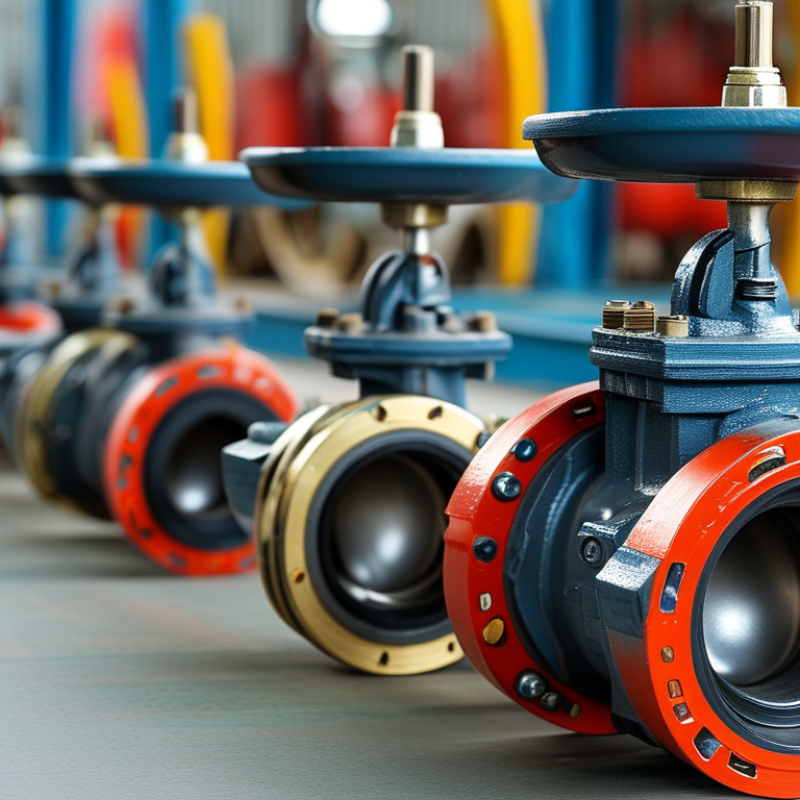
China has become a key player in the manufacturing of wafer type butterfly valves. These valves are crucial for regulating flow in various systems. The country's manufacturers focus on innovation and quality control. Many of these companies have advanced production techniques that enhance durability. However, not all manufacturers maintain consistent standards. Some may cut corners to reduce costs, impacting the final product quality.
Leading manufacturers prioritize research and development. They invest in new technologies to improve valve performance. This dedication results in products that offer both reliability and efficiency. Yet, challenges remain. Some producers struggle to meet international standards. This raises questions about compliance and safety.
The competition among Chinese manufacturers is fierce. Companies are trying to establish strong reputations. However, a lack of transparency can be concerning for global suppliers. Buyers should conduct thorough research. Finding reliable partners will ensure high-quality products. An informed decision-making process is essential in this complex market.
Key Features and Benefits of Wafer Type Butterfly Valves
Wafer type butterfly valves are known for their durability and efficiency. They are increasingly popular among global suppliers due to their lightweight design. These valves can be easily installed between flanges, providing a space-saving solution. This feature is particularly beneficial in areas where installation space is limited.
One key advantage of wafer type butterfly valves is their cost-effectiveness. They typically require less material than traditional valves. This leads to lower manufacturing costs and, subsequently, more competitive pricing for buyers. However, buyers must be aware of the specific requirements for their applications. Customization options may be limited, affecting compatibility with certain systems.
Tip: When selecting a wafer type butterfly valve, consider the size and pressure ratings for your specific application. Make sure to account for the fluid type and temperature ranges to ensure reliable performance.
Another notable benefit is their ease of operation. With a simple quarter-turn motion, these valves provide a quick solution for regulating flow. Nonetheless, it’s vital to regularly check for wear and tear. Neglecting this can lead to leaks and reduced efficiency over time.
Tip: Implement routine maintenance checks on your valves to catch potential issues early. This practice can extend the lifespan of your valves and improve overall system performance.
Comparative Analysis: China's Butterfly Valves vs. Global Competitors
China's butterfly valve industry has shown remarkable growth in recent years. According to the Global Market Insights report, the butterfly valve market is projected to reach $10 billion by 2027, with a significant share coming from Chinese manufacturers. They supply low-cost options while maintaining acceptable quality levels. The competitive pricing strategy attracts many suppliers globally.
However, there are challenges. While China's production capacity is impressive, concerns about durability and performance persist. A comparison indicates that European and American manufacturers often achieve better quality control. In fact, a study by the International Valves Association highlighted that, on average, valves from these regions have a lifespan 20% longer than their Chinese counterparts. This raises questions about long-term reliability.
There is also a notable skill gap in production methods. Chinese manufacturers rely heavily on automated processes, which can lead to efficiency but often miss fine-tuning. In contrast, traditional craftsmanship in Europe results in higher precision components. Continual investment in training and technology is crucial for China's valve industry to compete effectively on a global scale.
Applications of Wafer Type Butterfly Valves in Various Industries
Wafer type butterfly valves play a crucial role in diverse industries, including water treatment and oil and gas. These valves are lightweight and compact. Their design facilitates easy installation between flanges. The Global Butterfly Valve Market is projected to reach $3.82 billion by 2027, indicating growing demand in various sectors.
In the water treatment sector, wafer type butterfly valves are used for flow regulation and shut-off applications. They can handle high volumes of liquid efficiently. A report from Market Research Future states that the water treatment segment will grow at a CAGR of 6.1% from 2020 to 2027. However, ensuring proper seal integrity can be challenging. Regular maintenance is required to prevent leaks and ensure peak performance.
In the oil and gas industry, these valves control the flow of crude oil and natural gas. Their design supports high-pressure applications, making them integral to pipeline systems. According to a report by Research and Markets, the oil and gas segment is expected to account for significant revenue, but operational issues arise. Companies must address corrosion and wear to enhance durability. The industry should invest more in research to tackle these challenges and improve product reliability.
Future Trends in the Butterfly Valve Market and Innovations in China
The global butterfly valve market is witnessing transformative trends, particularly from China. As industries push for efficiency and sustainability, innovations in valve designs are emerging rapidly. According to recent reports, the demand for wafer-type butterfly valves is expected to increase significantly, driven by their lightweight and compact nature. These valves can easily fit into piping systems, allowing for smoother operations.
Recent innovation in materials and technologies aims to enhance performance. For example, manufacturers are exploring composite materials, which can increase durability and reduce corrosion risk. This change is crucial for industries handling aggressive fluids. The implementation of smart technology, such as IoT integration, is also gaining traction. This advancement allows for real-time monitoring and better maintenance management, increasing system reliability.
**Tip:** When looking for a butterfly valve, consider the application. The right material and design will affect performance.
The rise of automation presents both opportunities and challenges. Many manufacturers face difficulties adapting to these technological advancements. There is a need for continuous training and development within supply chains. Despite these challenges, the future remains promising for suppliers willing to innovate and adapt.
**Tip:** Stay updated with industry reports. Knowledge of emerging trends can guide better purchasing decisions.
China Best Butterfly Valve Wafer Type for Global Suppliers? - Future Trends in the Butterfly Valve Market and Innovations in China
| Dimension |
Material |
Pressure Rating (ANSI) |
End Connection Type |
Market Growth (2023-2028) |
| 2 inch |
Ductile Iron |
150 PSI |
Wafer |
5% CAGR |
| 3 inch |
Stainless Steel |
250 PSI |
Wafer |
6% CAGR |
| 4 inch |
PVC |
150 PSI |
Wafer |
4.5% CAGR |
| 6 inch |
Carbon Steel |
150 PSI |
Wafer |
5.5% CAGR |
| 8 inch |
Alloy Steel |
300 PSI |
Wafer |
5% CAGR |