2026 Best Valve Valves for Every Industry Need?
In the world of industrial applications, choosing the right valve valves can be a daunting task. Each industry has unique needs and specific requirements. From water treatment to oil and gas, these valves play a critical role. They control flow, pressure, and safety in various systems.
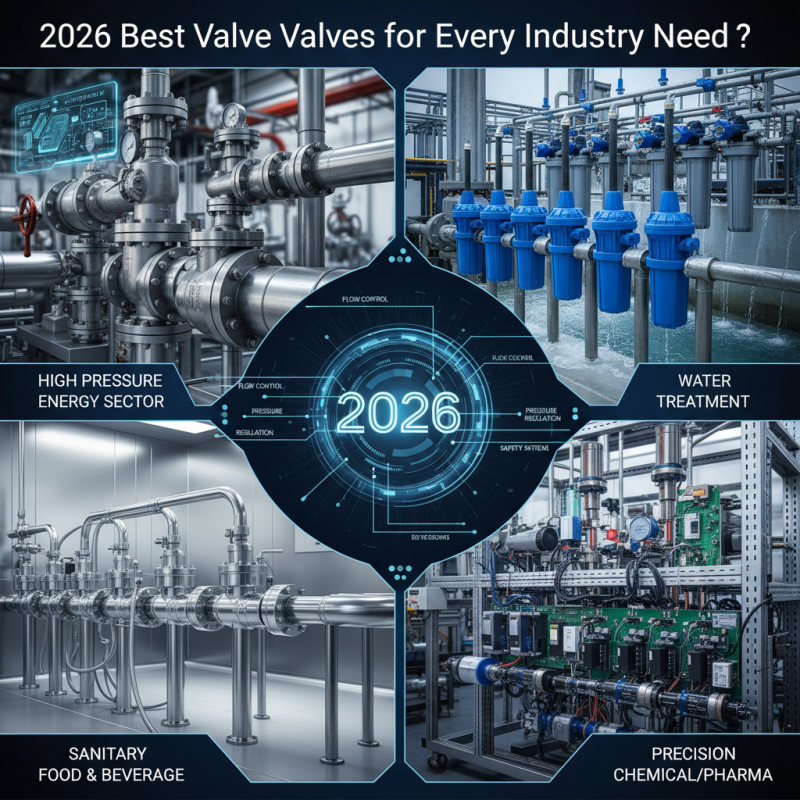
Understanding the specific functions of valve valves is essential. A well-chosen valve can enhance efficiency and sustainability. For example, high-pressure valves are crucial in the energy sector. In contrast, sanitary valves are key for food and beverage industries. Misapplication of valves can lead to significant costs and safety issues.
The landscape of valve valves is diverse and complex. With numerous options available, it can be overwhelming. Some valves excel in durability but may lack in precision. Others provide accuracy but may not withstand extreme conditions. This balance of features often challenges engineers and operators alike. Addressing these challenges is crucial for optimizing performance in any industrial setting.
Introduction to Valve Technology and Its Importance
Valve technology plays a crucial role in various industries, ensuring efficient fluid management. Valves control flow, regulate pressure, and maintain safety in systems. In manufacturing plants, for instance, valves manage steam, chemicals, and gases. Each function affects overall productivity and safety.
A good valve design considers materials and conditions. Corrosion-resistant materials are essential in chemical industries. In water treatment, valves must endure high pressure and temperature. However, flawed valve designs can lead to leaks or failures. This highlights the need for constant evaluation and improvement.
The importance of valve technology cannot be overstated. It impacts energy efficiency and reduces waste. In industries that rely heavily on automation, reliable valves are necessary for smooth operations. An occasional overlooked detail can result in downtime. Regular testing and innovation are key to avoiding such issues.
2026 Best Valve Types Across Different Industries
Overview of Different Types of Valves Used Across Industries
Valves play a crucial role in various industries. They control fluid flow, making them essential in manufacturing processes, oil and gas, water supply, and many more. According to the "Global Valve Market Report 2022," the valve market is expected to reach $89.8 billion by 2026. This growth reflects the rising demand for efficient fluid control solutions.
Different types of valves serve distinct purposes. Gate valves are widely used for on/off control. They can handle high pressures. However, they are not suitable for throttling. Ball valves allow quick shut-off. They are reliable and durable. But they may present challenges in high-temperature applications. Check valves prevent backflow and are essential in piping systems. Yet, they can be prone to wear over time.
Each industry faces unique challenges with valve selection. For instance, in the chemical sector, corrosion resistance is vital. Statistics indicate that improper valve choices can lead to costly leaks, with organizations losing an average of 30% of their output due to inefficiencies. Continual assessment of valve performance is key. Understanding operational needs can significantly improve efficiency.
Key Factors to Consider When Selecting Valves for Specific Applications
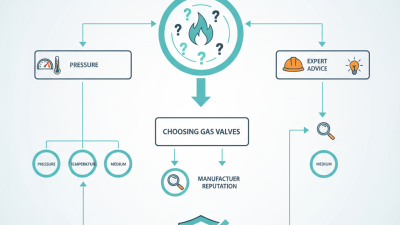
Selecting the right valve for your specific application is crucial. Many factors play a role in this decision. First, consider the fluid type. Different fluids can corrode or affect valve materials in various ways. For example, corrosive chemicals need specialized materials that can withstand their effects.
Next, think about the operating conditions. Pressure and temperature vary across industries. High-pressure systems require robust designs. Low-temperature applications might demand insulation or specific seals. The combination of elements like flow rate and presence of solids can influence valve choice.
Finally, remember maintenance and reliability. Some valves are easier to maintain than others. Regular inspections can prevent failures. Choose a valve that not only fits your needs but also allows for ease of service. This ongoing responsibility cannot be overlooked. Selecting a valve is more than just a choice; it’s an investment in safety and efficiency.
2026 Best Valve Valves for Every Industry Need
| Application |
Valve Type |
Material |
Pressure Rating |
Temperature Range |
| Oil & Gas |
Gate Valve |
Carbon Steel |
1500 psi |
-20°F to 400°F |
| Water Treatment |
Ball Valve |
PVC |
150 psi |
32°F to 140°F |
| Chemical Processing |
Butterfly Valve |
Stainless Steel |
300 psi |
-30°F to 250°F |
| Pharmaceutical |
Diaphragm Valve |
EPDM |
100 psi |
40°F to 250°F |
| HVAC |
Check Valve |
Brass |
200 psi |
32°F to 180°F |
Top Valve Brands Leading the Market in 2026
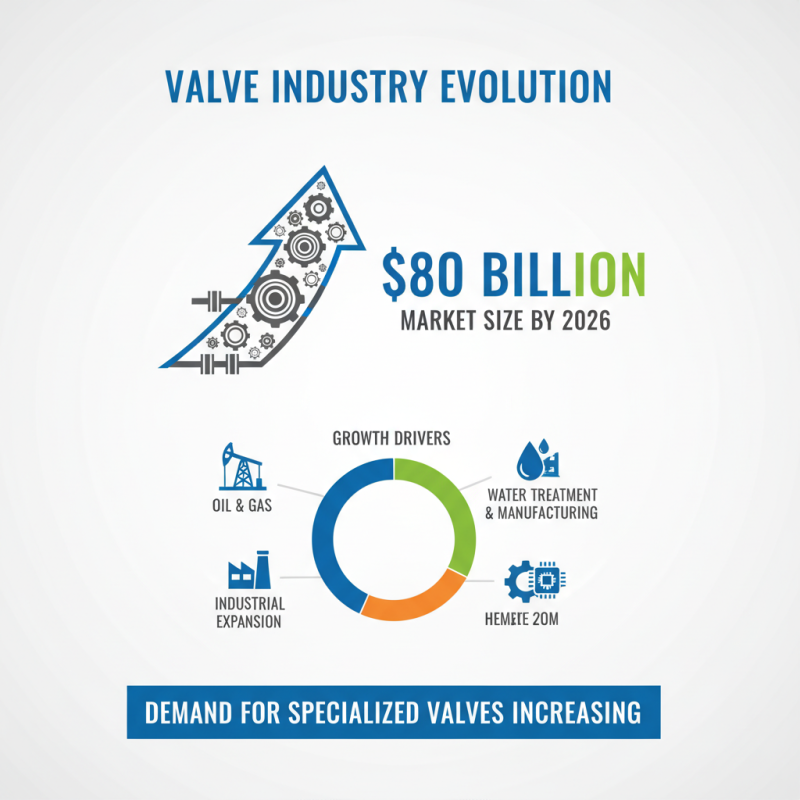
The valve industry is evolving rapidly. In 2026, the market is expected to reach a staggering $80 billion. This growth stems from increasing demand in various sectors. Industries like oil and gas, water treatment, and manufacturing are expanding. Each requires valves with specific performance traits.
Leading brands are innovating to stay ahead. The top manufacturers focus on durability and efficiency. For example, new materials are enhancing corrosion resistance. Some valves now operate under extreme conditions, improving safety. Reports indicate that nearly 70% of users aim for sustainability. Yet, not all products meet these standards.
User feedback highlights inconsistencies in performance. Some valves fail in demanding environments, causing downtime. Moreover, many firms struggle to understand their unique needs. Thus, choosing the right valve is crucial. Ongoing developments in smart valve technology also challenge traditional sales approaches. The industry must adapt to these changes swiftly. Open communication will be key for manufacturers and clients alike.
Future Trends in Valve Technology and Industry Innovations
As we move towards 2026, valve technology is evolving rapidly. Industries are facing new challenges that require innovative solutions. Smart valves are becoming increasingly common. They offer real-time monitoring and control, enhancing efficiency significantly.
Tips for implementation: Start small. Test smart valves in less critical applications first. Monitor their performance closely. Adjust as needed before rolling out across larger systems.
Sustainability is also at the forefront. Many manufacturers are focusing on eco-friendly materials. These materials reduce environmental impact. It’s not just about performance anymore; it’s about responsibility.
Another crucial trend is predictive maintenance. Advanced analytics predict valve failures before they occur. This minimizes downtime and saves costs. Still, integration can pose challenges. Ensure your team is trained adequately to handle new technologies.
Tip: Regular training sessions can build confidence. Encourage team feedback to improve processes. It’s essential to foster an adaptable culture.