Best Single Garden Gate Options for Your Home Garden Design?
When it comes to enhancing your garden design, selecting the right single garden gate is crucial. Gardening expert Mark Thompson emphasizes, "A well-chosen gate can transform the entire look of a garden." He believes that the perfect single garden gate should blend functionality with aesthetic appeal.
Each garden has unique needs. A single garden gate should complement the design while offering security and accessibility. Consider materials like wood or wrought iron for durability. Think about color and style to harmonize with your home. It’s not just about a gate; it reflects your personal taste and lifestyle.
However, choosing a gate can be challenging. Many overlook the importance of size and proportion. A gate that's too small or too large can disrupt the visual balance of your garden. Weigh your options carefully, as a single garden gate is a long-term investment. Make sure it aligns not only with your current garden design but also with your future plans.
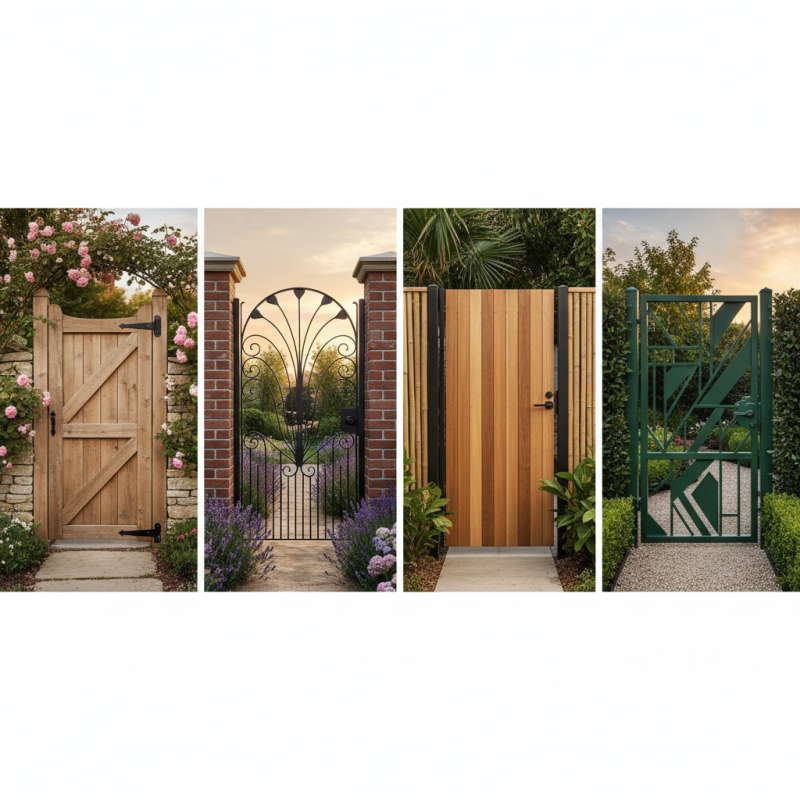
Top Considerations for Choosing the Right Garden Gate for Your Home
Choosing the right garden gate requires careful consideration. A well-chosen gate can enhance your home’s aesthetic while also providing practical security. Industry reports suggest that nearly 70% of homeowners prioritize design when selecting a gate. This decision can significantly impact your garden's overall appeal.
Material plays a crucial role in your choice. Gates made from wood, metal, or vinyl each offer unique benefits. For instance, wooden gates provide charm but require regular maintenance. Metal gates are durable, yet they can rust without proper care. A recent survey revealed that 45% of homeowners prefer metal for its longevity. Beyond material, consider the gate's size. A well-proportioned gate complements your garden layout. A gate that is too small can look awkward, while an oversized one may overwhelm the space.
Security features are equally important. Look for robust locking mechanisms to deter trespassers. Research indicates that 30% of burglaries occur through unsecured entries, highlighting the importance of a reliable gate. Additionally, consider the gate’s visibility. A clear view through the gate can improve safety. Striking a balance between aesthetics and function is essential.
Styles of Garden Gates to Complement Your Garden Design Aesthetic
Choosing the right garden gate can significantly enhance your home's design. One popular style is the classic picket gate. It evokes a sense of charm and nostalgia. These gates typically feature a uniform height and evenly spaced panels. They work beautifully with cottage or traditional gardens. However, their simplistic nature may not suit all modern aesthetics.
For a more contemporary look, consider a wrought iron gate. These gates are strong and durable. They offer intricate designs that can be customized to reflect your style. The elegance of wrought iron adds sophistication to any garden. Yet, it requires regular maintenance to prevent rusting. This may not appeal to every homeowner.
Another appealing option is a wooden gate. These come in various designs, from rustic to sleek modern styles. Wooden gates provide flexibility in design and material. They can blend seamlessly into natural surroundings. However, wood can deteriorate over time if not properly treated. This means regular checking and care are essential. The choice of material and style greatly influences the overall garden aesthetic. Be mindful of how each option reflects your personal taste and the character of your home.
Best Single Garden Gate Options for Your Home Garden Design
| Gate Style | Material | Height (ft) | Width (ft) | Color Options | Aesthetic Style |
| Pickett | Wood | 5 | 3 | Natural, Stained | Rustic, Farmhouse |
| Arched | Metal | 6 | 4 | Black, Green | Traditional, Elegant |
| Flat Panel | Vinyl | 5 | 3.5 | White, Beige | Modern, Minimalist |
| Lattice | Wood | 5 | 3 | Natural | Cottage, Garden |
| Double Swing | Metal | 6 | 5 | Rustic Brown, Black | Country, Rustic |
Materials Used in Garden Gates: Durability and Style Factors to Consider
When selecting a garden gate, the material plays a crucial role in both durability and style. Popular choices include wood, metal, and vinyl. According to the American Society of Landscape Architects, over 40% of homeowners prefer wooden gates. The natural beauty and versatility of wood can enhance many garden designs. However, wood is susceptible to rot and insects. Regular maintenance is essential for longevity.
Metal gates, on the other hand, offer superior strength. They often feature galvanized steel or wrought iron, which can withstand harsh weather conditions. A survey by the National Association of Home Builders indicates that around 32% of homeowners choose metal due to its lasting durability. These gates can be more expensive but often require less maintenance.
Vinyl gates are an emerging favorite, offering a balance between cost and aesthetics. They resist fading and are easy to clean. However, some users express concerns about rigidity and design options. A study from the Plastic Pipe Institute found that vinyl can last over 30 years, making it a reliable choice. Each material has its advantages and drawbacks, making it important to assess their suitability for specific garden designs.
DIY vs. Pre-Made Garden Gates: Pros and Cons for Garden Enthusiasts
When deciding between a DIY and pre-made garden gate, it's vital to consider their distinct advantages and challenges. A DIY gate allows for customization, tailoring size and design to fit specific garden aesthetics. Approximately 40% of garden enthusiasts prefer DIY projects for this reason, according to a recent survey by Garden Design Magazine. However, building a gate requires tools and skills, which not everyone possesses.
Pre-made gates can be convenient and quick to install. They come in various styles, matching different home designs. A report from Home Improvement Research indicates that 60% of homeowners favor pre-made gates due to their reliability and time-saving aspects. Yet, these gates may lack the distinctiveness of custom creations. Off-the-shelf options can sometimes fall short in durability, especially in harsh weather conditions.
**Tip:** If you choose to build a DIY gate, ensure you use weather-resistant materials for longevity. Additionally, even pre-made gates should be regularly maintained to avoid wear over time. Regular inspections can save you from costly replacements later on. Always weigh the pros and cons before making your choice, as each option has unique implications for your garden's overall look and function.
Installation Tips for Ensuring Your Garden Gate Functions Well and Looks Great
When installing a garden gate, it’s crucial to ensure both function and style. A gate should complement your garden design while providing easy access. Start by determining the proper size for your gate. Measure the entryway accurately, allowing for some clearance. This helps prevent rust or swelling from moisture.
Choosing the right materials is key. Wood offers a classic look but may require more maintenance. Metal gates are often more durable but can rust. Ensure you select a material that suits your climate. Remember, your gate must be sturdy enough to handle daily use.
Tip: Proper alignment is essential. Use a level to ensure that your gate swings open and closed smoothly. If it doesn’t, it could lead to unnecessary wear. Adjust the hinges if needed to create a perfect fit.
Tip: Regularly check the latch and hinges. Over time, these parts may tighten or loosen, affecting how well your gate functions. Keeping them in good shape helps maintain both security and ease of use.