Best Shrink Bags for Packaging Which One Should You Choose?
When it comes to packaging, Shrink Bags stand out for their versatility and effectiveness. These bags are designed to tightly fit around products, providing a secure and protective layer. Different types of shrink bags are available, each catering to specific needs. With the right choice, you can enhance product presentation and ensure safety during transportation.
Understanding which shrink bags to choose can be daunting. Factors such as size, material, and intended use play a significant role in the decision-making process. For example, food-grade shrink bags are essential for edible products, while durable options work better for retail items. Not all shrink bags are created equal, and finding the perfect match could require some trial and error.
This guide aims to simplify your selection process, offering insights into the best shrink bags available. By highlighting features, advantages, and potential drawbacks, you can make a well-informed choice. Remember, investing in quality shrink bags is vital for maintaining product integrity and appealing to customers.
Understanding Shrink Bags: Definition and Purpose
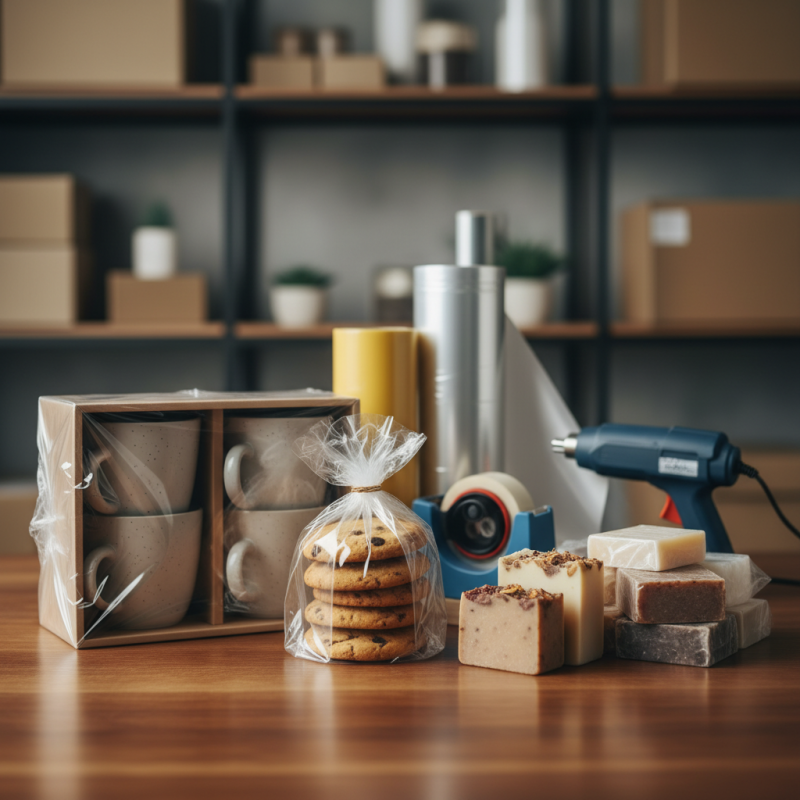
Shrink bags are versatile packaging solutions designed to tightly encapsulate products. They are materials that shrink when heat is applied, forming a secure protective layer around various items. The primary purpose of shrink bags is to enhance presentation while safeguarding products from damage during storage and transport. This quality makes them popular for items like food, gifts, and retail products.
The definition of shrink bags may seem straightforward, but their application can vary widely. Different materials, thicknesses, and sizes cater to specific needs, leading to a nuanced selection process. Choosing the right shrink bag requires understanding the product's dimensions and desired shelf life. While most bags perform well, some may not provide ideal results. It is essential to consider these aspects carefully.
Interestingly, the choice of shrink bags reflects broader packaging trends. Sustainability is becoming more important, as eco-friendly options gain traction. However, some shrink bags still rely on materials that raise environmental concerns. Finding a balance between functionality and eco-responsibility is crucial. Ultimately, awareness of these factors aids consumers in making informed decisions when selecting shrink bags for their packaging needs.
Types of Shrink Bags: PVC vs. Polyolefin vs. Others
When choosing shrink bags for packaging, understanding the differences between materials is crucial. PVC and polyolefin are two leading options. PVC shrink bags are popular for their excellent clarity and cost-effectiveness. However, they can emit harmful fumes when heated. Studies indicate that PVC can release dioxins, which raises safety concerns. In contrast, polyolefin shrink bags are known for being food-safe and environmentally friendly. They offer superior stretch and clarity, making them ideal for various applications.
Tips: If you prioritize safety, opt for polyolefin over PVC. This choice ensures safer packaging for food products. Also, remember to assess the heat tolerance of the materials. Polyolefin can withstand higher temperatures, which can enhance the packaging process.
Other materials like nylon and polyethylene have specific uses as well. Nylon offers excellent barrier properties, while polyethylene is more suited for low-cost applications. Each material has its pros and cons. Consider the nature of your products and the environment in which they will be displayed. The right choice is essential for effective branding and product protection.
Comparison of Shrink Bag Types
Key Features to Consider When Choosing Shrink Bags
When selecting shrink bags, key features are crucial for effective packaging. Thickness is one important factor. A thicker bag generally offers better protection against punctures and tears. However, thicker materials may require more heat to shrink. Consider the balance between durability and ease of use.
The type of material also matters. Polyolefin and PVC are common choices, each with distinct properties. Polyolefin is more versatile and safer for food items. On the other hand, PVC is typically more affordable and offers good clarity. Think about the final product and its storage conditions to make the right choice.
Another aspect to evaluate is the shrink temperature. Different bags shrink at various temperatures. Knowing the required heat will help you avoid packaging failures. Always test a small batch before committing to a large quantity. This trial can save time and resources, ensuring your packaging is both efficient and effective.
Best Shrink Bags for Packaging - Key Features to Consider
| Feature | Description | Best For |
| Material Type | Polyolefin and PVC are common types. Polyolefin is more durable and ideal for food packaging. | Food Products, Crafts |
| Size Options | Available in various sizes from small to large to accommodate different products. | Various Applications |
| Shrink Ratio | A high shrink ratio means better fit around the product, typically around 50%. | Compact Packaging |
| Thickness | Thickness varies; typically from 60 to 100 microns, thicker options are more durable. | Heavy-Duty Items |
| Clarity | High clarity bags provide a clear view of the product inside. | Retail Products |
| Sealing Type | Heat sealing is common; ensure your equipment is compatible. | Various Packaging Needs |
Applications of Shrink Bags in Various Industries
Shrink bags are versatile tools used across various industries for packaging. Their applications stretch from food items to consumer goods. In the food industry, shrink bags protect products from contamination. They keep items fresh while extending shelf life. Many use these bags for sausages, cheese, and vegetables. The airtight seal prevents moisture loss, preserving quality.
In the retail sector, shrink bags enhance presentation. They provide a polished look, increasing product appeal. Think of toys and electronics packaged snugly in clear plastic. This not only showcases the item but also prevents damage. However, choosing the right material is crucial. Not all shrink bags offer the same quality. Many businesses must often reassess their packaging methods to ensure efficiency.
Sustainability is a growing concern. Some industries face criticism for excessive plastic use. There are biodegradable options emerging, but they may lack durability. Businesses are encouraged to weigh the pros and cons carefully. Finding the right balance between protection and environmental impact is essential for modern packaging practices.
Tips for Proper Use and Storage of Shrink Bags
When using shrink bags, proper handling and storage are crucial for maintaining product quality. Ensure you select the right size for your items. Bags that are too small may cause strain, while oversized bags can lead to inadequate sealing. Precision is key; measure your products carefully before choosing a bag. A tight fit usually yields the best results.
Proper sealing is another essential step. Hot air must evenly circulate around the product within the bag. This promotes even shrinkage. If the seal is uneven, you may end up with wrinkles or damage to your items. Take your time in adjusting the temperature setting of your heat source. It may take some practice, so don’t be discouraged by initial imperfect attempts.
For storage, always keep shrink bags in a cool, dry place. They can absorb moisture, which affects their performance. Inspect bags before use for any signs of damage. Even minor tears can compromise the seal. Store bags flat to prevent creasing. While these steps seem simple, attention to detail makes a significant difference in presentation and protection for your products.