2026 Best PTFE Expansion Joints for Global Buyers Guide?
In recent years, PTFE Expansion Joints have gained significant traction within various industries. These components are essential for managing thermal expansion in piping systems. According to a report by the Global Expansion Joint Market, the demand for PTFE expansion joints is projected to witness a compound annual growth rate (CAGR) of 5.4% through 2026. This growth reflects the increasing need for durable, flexible solutions in sectors such as oil and gas, chemical processing, and power generation.
PTFE expansion joints are known for their remarkable chemical resistance and flexibility. They offer an effective way to absorb vibrations and movements in piping systems while preventing leaks. However, users must be aware of the limitations. Factors such as installation quality and environmental conditions can impact their performance. A thorough understanding of these factors is vital for maximizing their lifespan and ensuring safety.
Navigating the market for PTFE expansion joints can be challenging. Buyers must consider material specifications, certifications, and manufacturer reputation. Reliable suppliers should provide transparent data and case studies. This guide aims to assist global buyers in making informed decisions, highlighting critical aspects and necessary considerations in selecting the best PTFE expansion joints for their applications.
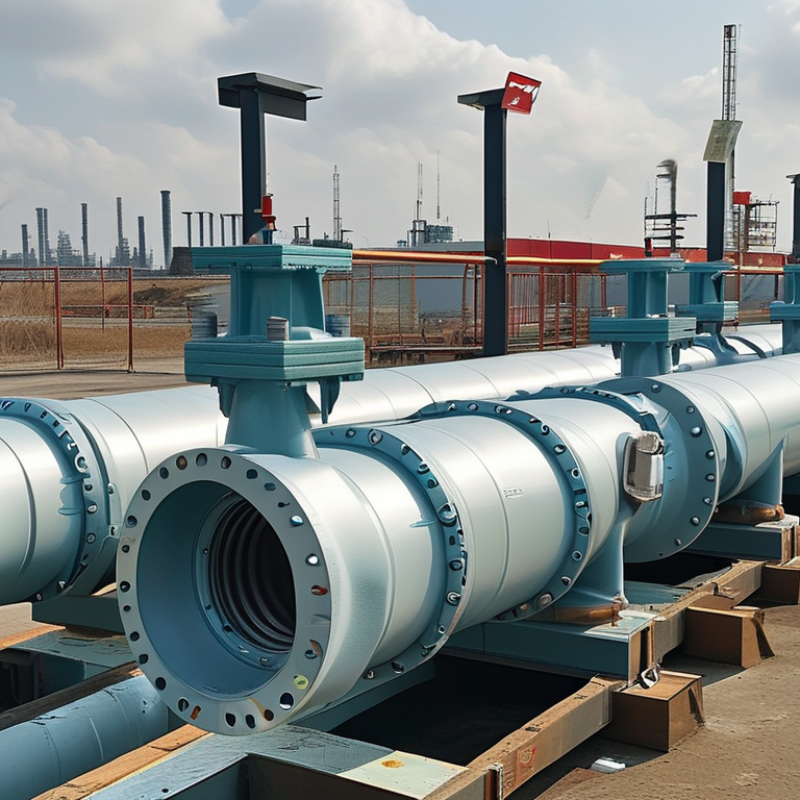
What Are PTFE Expansion Joints and Their Applications?
PTFE expansion joints are critical components in various industrial applications. Made from polytetrafluoroethylene, they offer exceptional resistance to heat and chemicals. According to a report by the Market Research Future, the global market for PTFE expansion joints is projected to reach $2 billion by 2026, driven by the increasing demand in industries such as chemical processing, oil and gas, and power generation.
These joints accommodate thermal expansion and contraction in piping systems. They help prevent stress on pipes, thus reducing the risk of leaks and failures. In some applications, improper installation can lead to complications. A study by Engineering News-Record highlighted that about 25% of all piping failures are related to expansion joint issues. This statistic emphasizes the importance of proper selection and maintenance.
Additionally, PTFE expansion joints can withstand extreme temperatures, ranging from -100°F to 500°F. Their flexibility allows for movement in multiple directions. This versatility is beneficial in high-stress environments. Nevertheless, some users report challenges with compatibility in specific chemical exposures. Understanding the nuances of PTFE material properties is essential. Further research into these limitations can enhance longevity and reliability.
Key Characteristics and Benefits of PTFE Expansion Joints
PTFE expansion joints have become essential in various industries due to their unique properties. These joints can withstand high temperatures and aggressive chemicals, making them ideal for applications in chemical processing, pharmaceuticals, and food manufacturing. A recent industry report noted that PTFE's thermal stability exceeds 260°C (500°F), which is significantly higher than standard rubber materials. This characteristic enhances the durability of connections in harsh environments.
Another key feature is the flexibility offered by PTFE expansion joints. They can compensate for thermal expansion and slight misalignments in piping systems. This adjustment capability reduces stress on equipment, improving overall system reliability. Data from a 2022 market analysis indicated that systems using PTFE joints experience a significant decrease in maintenance costs, often exceeding 15% annually.
However, there are challenges. While PTFE exhibits superior chemical resistance, it is not immune to wear under constant movement. Over time, the material may degrade, leading to potential leaks. Regular inspections are essential. Additionally, PTFE joints can be more expensive than traditional options. Understanding the balance between cost and performance is crucial. Manufacturers must weigh the increased upfront investment against long-term savings in maintenance and downtime.
Top Manufacturers and Brands of PTFE Expansion Joints in 2026
In the world of industrial applications, PTFE expansion joints play a crucial role. These components are designed to accommodate thermal expansion and movement in piping systems. As industries evolve, the demand for high-quality PTFE joints increases. Buyers must be aware of key manufacturers and brands in 2026.
The most reputable manufacturers prioritize material quality and innovative designs. They ensure that their PTFE joints withstand a range of temperatures and pressures. A reliable expansion joint reduces the risk of leaks and failures in systems. High-performance PTFE expansion joints are engineered to endure harsh conditions. Each brand offers unique features tailored to specific industrial needs.
Despite the advancements, some buyers may encounter challenges. Variations in product specifications can lead to confusion. Not all products may fit all applications. Thorough research and expert consultation are essential. It's vital to weigh the pros and cons of different brands. Assessing user reviews and performance metrics can guide buyers in making informed choices.
2026 Best PTFE Expansion Joints Sales Volume
Factors to Consider When Choosing PTFE Expansion Joints
When selecting PTFE expansion joints, several factors demand careful consideration. Start with temperature and pressure ratings. PTFE can handle high temperatures but ensure compatibility with your application. Always assess the media being transported. Certain chemicals can degrade materials. Research indicates that over 70% of expansion joint failures stem from inappropriate material selection.
Next, consider size and installation requirements. Accurate measurements prevent installation issues. Assess the joint’s movement capabilities. Some applications require more flexibility, while others demand rigidity. The wrong choice could lead to leaks or breakage. Technical specifications often provide guidance on these factors.
Tips: Always consult with engineers or industry experts. Their insights can save money and prevent costly mistakes. Regular maintenance checks are essential to ensure longevity. Evaluate the installation environment to ensure optimal performance. Reflect on your past experiences with various products; learning from them can enhance future decisions.
Maintenance and Care Tips for PTFE Expansion Joints
PTFE expansion joints are essential components in many industries. Proper maintenance can significantly extend their lifespan. Regular inspections are vital. Look for any visible wear, such as cracks or discoloration. These signs can indicate that it’s time for maintenance or replacement.
One helpful tip is to clean the joints regularly. Use a mild detergent and water. Avoid harsh chemicals that may damage the PTFE material. Additionally, ensure that the joints are not exposed to extreme temperatures beyond their specifications. This exposure can lead to premature failure. Keeping the operating conditions within recommended ranges is crucial.
Lubrication is another key aspect of maintenance. Using the right lubricant can minimize friction and prevent wear. However, over-lubrication can be just as harmful. Monitor the application closely to avoid excessive buildup. Remember, preventive care is often overlooked but can save costs in the long run. Regular maintenance can enhance performance and reliability.