What are the Best Packaging Machinery Options for Global Buyers?
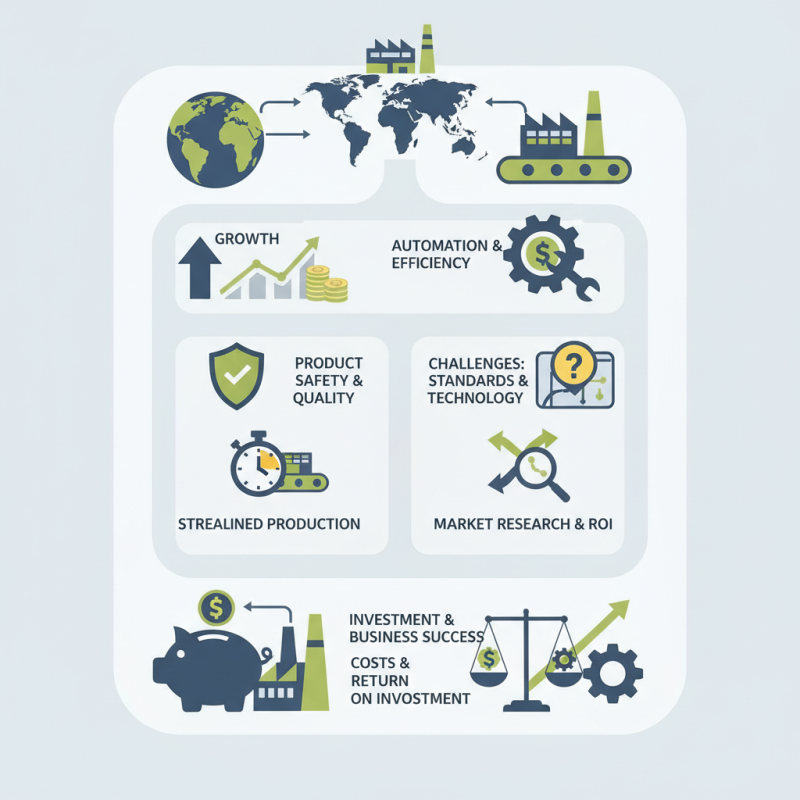
The global Packaging Machinery market is witnessing significant growth. According to a recent report by Grand View Research, the industry is projected to reach USD 50 billion by 2025. This growth reflects the rising demand for packaged food and beverages. Companies are increasingly investing in automation to enhance efficiency and reduce costs.
Packaging machinery plays a crucial role in this evolution. It streamlines production processes and improves product safety and quality. However, selecting the right machinery is not always straightforward. Global buyers face challenges, such as varying standards and technology levels across regions.
Investing in advanced packaging machinery can drive business success. Yet, it requires an understanding of market needs and technological advancements. As competition intensifies, making informed decisions is essential for long-term viability. It is vital for buyers to conduct thorough research and consider both initial costs and return on investment.
Overview of Packaging Machinery Types for Global Buyers
When considering packaging machinery options, buyers face diverse choices. Common types include filling machines, labeling machines, and sealing machines. Each type serves unique purposes in the packaging process.
Filling machines are vital for accurately dispensing products into containers. They cater to liquids, powders, and granular items. The right choice depends on product consistency and required speed.
Labeling machines enhance product presentation and compliance. They come in manual and automatic styles. Selecting the right system can greatly influence workflow efficiency.
Tips:
Evaluate your production capacity. Understand your needs to avoid over- or under-investment.
Consider maintenance requirements. Reliable machinery keeps downtime minimal.
Always seek knowledgeable suppliers. Expertise can guide effective choices.
Factors to Consider When Selecting Packaging Machinery
When selecting packaging machinery, several factors play a crucial role in ensuring efficiency and reliability. Buyers should consider the type of products they will package. For example, liquid items require different machinery than solids. Understanding the specific needs of your product can help narrow down options.
Another vital aspect is the production speed. Assess how quickly you need to package goods. Higher speeds can lead to more significant output, but they may also increase maintenance needs. Think about the long-term implications of speed versus reliability. Also, consider the size and complexity of the machinery. A more complex system might offer advanced features, yet it could require additional training for staff.
Finally, look at the adaptability of the machinery. Markets change rapidly, and flexibility in packaging formats is essential. Can the machinery handle different sizes or materials? Frequent changes in product lines might necessitate easy reconfiguration. Reflect on your future needs as well, not just the present.
Top Regions Leading in Packaging Machinery Production
The packaging machinery industry is thriving, with key regions leading production. North America, Europe, and Asia-Pacific rank as the top players. According to a recent report, North America holds about 30% of the global market share in packaging machinery. This region benefits from advanced technology and strong consumer markets.
In Europe, countries like Germany and Italy drive innovation in packaging equipment. The European market is projected to grow by 4.5% annually. This growth is fueled by a shift towards sustainable packaging solutions. Manufacturers are investing in eco-friendly materials and processes. However, companies face challenges in meeting strict regulatory standards.
Asia-Pacific is emerging rapidly, especially China and India. The region shows a growth rate of over 5% due to rising demand in e-commerce. However, issues like supply chain disruptions and fluctuating raw material costs pose challenges. As the industry evolves, staying adaptable and informed proves essential for global buyers seeking competitive packaging solutions.
Emerging Trends in Packaging Technology for Global Markets
Emerging trends in packaging technology are reshaping global markets. Industry reports indicate that the global packaging machinery market is expected to grow from $41 billion in 2021 to over $61 billion by 2028, with a compound annual growth rate (CAGR) of 6.1%. This growth is driven by automation and sustainability.
Automation is at the forefront. Many manufacturers are investing in smart packaging technologies. These innovations improve efficiency and reduce waste. For instance, companies are integrating IoT devices into packaging lines. This allows real-time monitoring and predictive maintenance, optimizing production flows. According to a 2023 study by Smithers Pira, automated processes can reduce operational costs by up to 30%.
Sustainability is another critical focus. Consumers are demanding eco-friendly packaging solutions. Researchers estimate that 55% of global consumers prefer recyclable materials. In response, new materials and designs are emerging. Biodegradable films and reusable containers are gaining traction. However, challenges remain. The cost of sustainable materials can be high. Manufacturers must balance eco-consciousness with profitability.
Global Packaging Machinery Market Trends
Comparative Analysis of Leading Packaging Machinery Brands
The global packaging machinery market is expected to reach approximately $50 billion by 2025, driven by increasing demand for automation and efficiency. As industries evolve, leading brands continually update their offerings. This competitive landscape influences choices for buyers across various sectors.
When evaluating packaging machinery, several factors come into play. Speed, precision, and flexibility are critical. Many advanced models now feature quick-change capabilities, reducing downtime during production shifts. Reports indicate that machinery capable of packaging at least 200 units per minute is becoming the standard for large-scale operations.
Sustainability is also a pressing concern. More brands are integrating eco-friendly materials into their machines. Data shows that nearly 40% of buyers prioritize sustainable options in their purchasing decisions. However, finding the right balance between efficiency and eco-friendliness can be a challenge. Buyers often reflect on the long-term implications of their choices, grappling with the costs associated with upgrading older systems versus investing in innovative technologies.