Best Outrunner Motors for Your Projects in 2026?
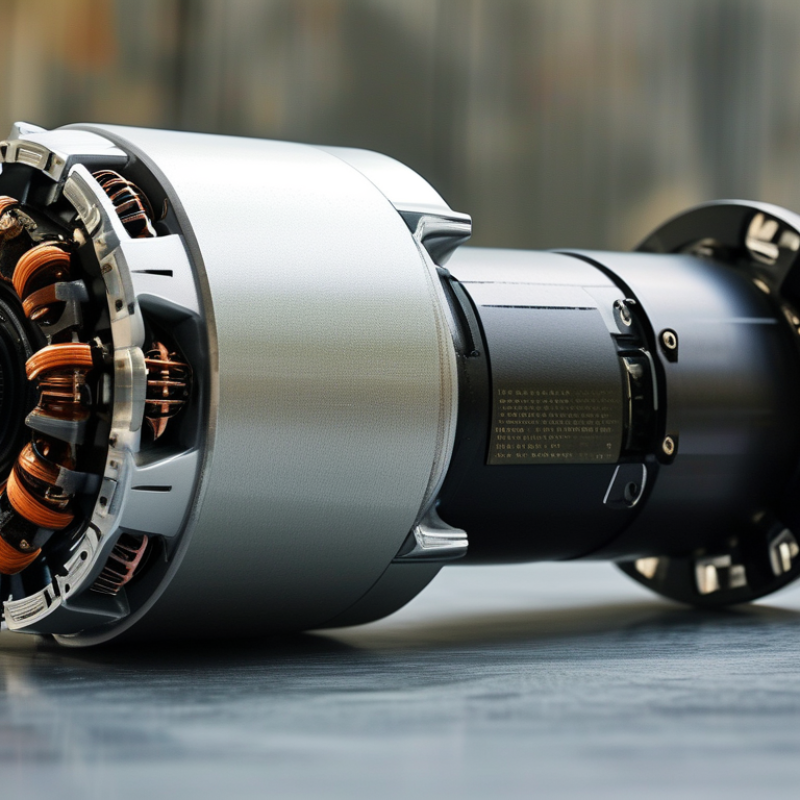
In the ever-evolving world of robotics and DIY projects, finding the right components is crucial. Outrunner Motors are gaining popularity for their high efficiency and powerful performance. These motors stand out due to their design, where the rotor spins outside the stator. This unique configuration allows for increased torque and speed, making them ideal for various applications.
As we look forward to 2026, it's essential to understand the diverse options available in the market. Not every Outrunner Motor is built the same. Factors such as size, weight, and voltage need careful consideration. Some motors may offer exceptional power but fall short in weight or efficiency. It's also vital to consider reliability. Choosing a well-reviewed motor can save time and effort in the long run.
Embracing Outrunner Motors means committing to both innovation and challenges. While their benefits are clear, not all projects will meet expectations. Analyzing performance data and real-world testing helps in making informed choices. As you explore these motors, remain open to experimentation and feedback. Your ideal motor may not be a one-size-fits-all solution but rather a discovery process tailored to your needs.
Factors to Consider When Choosing Outrunner Motors
When selecting outrunner motors for your projects, several factors must be considered. First, the motor's size and weight are crucial. A heavier motor may provide better torque but can impact the overall design. Smaller motors can be lighter and easier to integrate into compact projects. Each application demands a delicate balance between weight and performance.
Another key consideration is efficiency. Look at the motor's Kv rating, which indicates how many RPMs it can produce per volt. A lower Kv is better for high-torque applications, while a higher Kv suits high-speed needs. Think carefully about your project's purpose when choosing. Visualize how the motor will fit into your design. Sometimes, a motor that looks good on paper might underperform in real-life scenarios.
Lastly, the cooling system cannot be overlooked. Motors can overheat during prolonged use, affecting performance. Pay attention to the material and design to ensure durability. It may seem trivial, but small details like this can lead to significant issues later. Always conduct thorough tests on your selected motor. Understanding its limitations will guide you in making better design choices.
Top Brands for Outrunner Motors in 2026
When selecting the best outrunner motors for your projects in 2026, it's essential to consider top brands known for their reliability and innovation. Leading manufacturers focus on quality control and performance. They often use advanced materials to enhance durability and efficiency. These motors typically deliver high torque at lower speeds, making them ideal for various applications.
In the market, you may find some brands struggle with consistency in performance. It's crucial to research customer reviews and expert opinions. Some brands excel in specific areas, like weight or power output, while others might lag. Choosing a motor that fits your specific needs is key. Look for brands that offer a wide range of specifications, ensuring compatibility with your designs.
Additionally, consider the support provided by these brands. Access to useful resources, such as technical specifications and customer service, enhances your experience. Not all brands maintain a high level of accessibility. It's advisable to weigh the pros and cons of each option. Some may offer great motors but lack adequate support. This reflection can save you time and resources in the long run.
Best Outrunner Motors for Your Projects in 2026
Comparative Analysis of Performance Metrics for Outrunner Motors
When selecting the best outrunner motors for your projects, performance metrics are crucial. These motors are known for their high efficiency and power-to-weight ratios. A deeper look into their specifications reveals significant differences. Key metrics include RPM, torque, and thermal performance.
Understanding RPM and torque can guide choices. Higher RPM can suggest better speed, while torque impacts acceleration. Evaluating thermal performance is essential, as overheating can reduce lifespan. Many motors struggle with heat dissipation under high loads.
If you are working on a small drone or a large RC vehicle, the motor must fit your needs. It might be challenging to balance weight and power. Often, motors that excel in one area, like speed, lag in another, such as torque or efficiency. This makes the selection process complex, requiring careful consideration of project requirements. Balancing these metrics can lead to more successful outcomes in 2026.
Applications and Use Cases of Outrunner Motors in Various Projects
Outrunner motors have gained significant attention across various sectors in recent years. Their design allows for higher torque at lower RPMs, making them ideal for applications where efficiency is key. According to industry reports, the demand for outrunner motors is expected to grow by over 10% annually through 2026. This growth can be attributed to their use in drones, robotics, and electric vehicles.
In drone applications, outrunner motors excel due to their lightweight construction and high power-to-weight ratio. This makes them perfect for aerial photography, mapping, and delivery services. Robotics also benefits significantly from their precise control capabilities. Small form-factor robots utilize these motors for enhanced maneuverability.
**Tips:** Consider the weight and size of your project when selecting an outrunner motor. Power requirements should always align with actual use cases to avoid underperformance. Regularly assess the efficiency of your setup—inefficiencies might lead to increased costs and reduced performance.
Emerging trends indicate that modifications to designs may enhance thermal management and control. These developments present a chance to rethink your project approach. Adjustments can lead to better performance, proving advantageous over time. Monitoring innovation in motor technology may yield further insights for your projects.
Future Trends in Outrunner Motor Technology and Innovation
In 2026, outrunner motor technology is set to take a significant leap forward. With a focus on efficiency and power, designs are becoming more sophisticated. These motors will likely feature improved cooling systems and lightweight materials. This shift allows for higher performance while reducing energy consumption. We may see motors that integrate advanced sensors for real-time feedback. Such innovations will enhance user control and precision.
Emerging trends indicate a growing interest in modular designs. This approach allows users to customize motors to fit their specific needs. Such flexibility could lead to greater adoption across various industries, from robotics to electric vehicles. However, not all developments may meet expectations. As manufacturers rush to innovate, quality control may suffer. Striking a balance between innovation and reliability remains crucial.
The future may also bring challenges in sustainability. As demand grows, sourcing materials responsibly will be key. Additionally, manufacturers must prioritize recycling options for outdated motors. With technology advancing, the need for transparency in production processes becomes more pressing. Ensuring ethical practices will shape the industry's evolution. Stakeholders must remain vigilant and adaptive to address these future challenges.