2026 Best Mini Excavator Undercarriage Parts for Global Buyers?
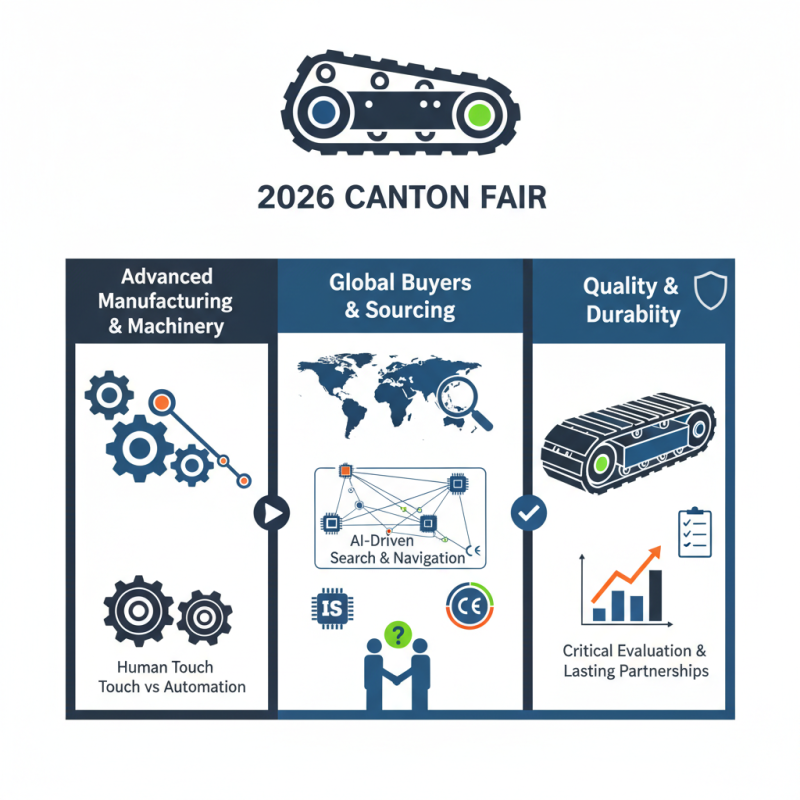
In the landscape of construction machinery, the demand for Mini Excavator Undercarriage Parts is steadily rising. As global buyers seek high-quality components, the 2026 Canton Fair offers a promising platform. This premier trade event runs from April 15 to May 5, showcasing advanced manufacturing and machinery among other industry sectors. With over 1.55 million square meters of exhibition space, attendees can explore the latest innovations in the Mini Excavator segment.
The introduction of AI-driven search and navigation significantly enhances the buyer experience. Visitors can efficiently locate suppliers who meet specific certifications, such as ISO and CE. This precision in sourcing is vital in a competitive market, where quality and reliability are paramount. However, while technology improves efficiency, it raises questions about the human touch in trade. Are we losing personal connections as transactions become more automated?
This year’s focus on the Mini Excavator Undercarriage Parts presents opportunities and challenges. Buyers must critically evaluate the products available, questioning quality over quantity. Ensuring that parts are durable and reliable remains crucial. Though technology aids in finding suitable suppliers, careful consideration is needed to achieve lasting partnerships in the industry.
2026 Mini Excavator Undercarriage Overview and Importance
Mini excavator undercarriages play a crucial role in overall machinery performance. They support the operator's work and enhance machine stability. Studies show that up to 30% of excavator downtime is linked to undercarriage issues. Regular maintenance is essential to extending the lifespan of these components.
The undercarriage consists of tracks, rollers, and a frame. Each part must work seamlessly together. Inspections should be routine, as even minor damage can lead to bigger problems. Research indicates that replacing worn parts promptly can increase a machine's efficiency by 15%. This statistic highlights the need for global buyers to prioritize quality in undercarriage parts.
In many regions, terrain can be challenging. Excavators need robust undercarriages to tackle rocky or uneven ground. A poorly functioning undercarriage can hinder performance and increase repair costs. It's a common oversight to underestimate these parts. Operators must be educated on the importance of investing in reliable undercarriage solutions to avoid costly downtime.
Key Components of Mini Excavator Undercarriage Parts in 2026
The undercarriage of a mini excavator is crucial for its performance and longevity. In 2026, buyers should closely examine components like tracks, rollers, and sprockets. These parts endure significant wear and tear. Quality matters. A durable track helps with traction on uneven surfaces. It also affects the machine's speed and maneuverability.
Rollers play an essential role in weight distribution. They support the track's movement and reduce friction. Choosing the right size and type of roller can be a game changer. Sprockets, on the other hand, engage with the tracks directly. A worn sprocket can lead to costly repairs down the road.
It’s vital to consider the materials used in these components. Steel options provide strength but can be heavy. Composite materials are lighter but may not last as long. Buyers often find themselves weighing cost against quality. This process is not always straightforward. Each machine and task is different. It's a balancing act that requires careful thought.
Top Global Suppliers of Mini Excavator Undercarriage Parts
When looking for mini excavator undercarriage parts, global buyers must consider several key suppliers. These suppliers often specialize in manufacturing components like rollers, sprockets, and tracks. Many of them have extensive experience in the industry, ensuring quality and durability. However, not all parts are created equal. Some may lack rigorous quality control, leading to premature wear and tear.
Buyers should be wary of low-cost offers. They might seem appealing but could indicate inferior materials. A thorough evaluation of suppliers is crucial. Customers benefit from checking reviews and seeking feedback from other users. Engaging with suppliers keen on transparency may help build trust.
Lastly, the availability of parts can vary by region. Some suppliers may focus on specific markets, limiting access for global buyers. Maintaining open communication with suppliers about inventory is essential. This awareness can help buyers avoid delays and ensure that projects stay on schedule, fostering a more efficient workflow.
Trends Influencing Mini Excavator Undercarriage Design in 2026
The mini excavator market is evolving rapidly. In 2026, several trends will shape the design of undercarriage parts. Efficiency is at the forefront. Current data from industry reports suggest that fuel-efficient models are gaining traction. These models consume up to 25% less fuel than previous generations. This improvement not only reduces operating costs but also addresses environmental concerns.
Weight optimization is another key trend. Lightweight materials, such as advanced composites, are being introduced in undercarriage components. This can lower the overall machine weight, improving maneuverability. However, the challenge remains in balancing strength with weight. Some manufacturers still struggle to achieve this. The risk of using lighter materials is potential damage during heavy-duty operations.
Additionally, advancements in technology are influencing design choices. The integration of smart sensors is on the rise. These sensors can provide real-time data on wear and performance. This information is essential for maintenance and can extend the lifespan of undercarriage parts. Yet, many users find it challenging to adopt these technologies effectively. There can be a steep learning curve. Industry analysts estimate that around 40% of operators are not fully utilizing these innovations in the field.
Comparative Analysis: OEM vs Aftermarket Undercarriage Parts for Excavators
When considering undercarriage parts for mini excavators, buyers often face the choice between OEM and aftermarket options. OEM parts are designed specifically for certain models, ensuring a precise fit. They often come with warranties, providing peace of mind. Buyers may appreciate that these parts uphold the machine's integrity. However, the cost can be significantly higher.
On the other hand, aftermarket parts tend to be more affordable. This can be attractive for budget-conscious buyers. Many aftermarket options claim to deliver similar quality. Yet, the reality can be mixed. Some users report issues with compatibility or durability. It’s essential to research thoroughly before making a purchase. Reviews and forums can offer valuable insights.
In making a decision, reflect on your specific needs. Will you prioritize cost or quality? Both choices come with advantages and drawbacks. A careful consideration of how each option aligns with your excavator's usage is vital. This ensures that your investment serves you well in the long run.
2026 Best Mini Excavator Undercarriage Parts for Global Buyers
| Part Type | OEM Price Range | Aftermarket Price Range | Warranty (OEM) | Warranty (Aftermarket) | Expected Lifespan (OEM) | Expected Lifespan (Aftermarket) |
| Tracks | $1,500 - $2,000 | $900 - $1,500 | 12 months | 6 months | 3,000 hours | 2,000 hours |
| Rollers | $800 - $1,200 | $500 - $800 | 12 months | 3 months | 4,000 hours | 2,500 hours |
| Sprockets | $900 - $1,300 | $600 - $900 | 12 months | 6 months | 3,500 hours | 2,200 hours |
| Idlers | $700 - $1,000 | $400 - $600 | 12 months | 6 months | 3,000 hours | 1,800 hours |