What are the Best Dual Valve Options for Global Buyers?
In the realm of fluid control, dual valves are increasingly gaining attention from global buyers. These devices offer enhanced performance and versatility. Industry expert Dr. Emily Carter, a leading authority on valve technology, states, “The right dual valve can transform operational efficiency.” Her insight reflects the growing recognition of dual valves as essential components in various applications.
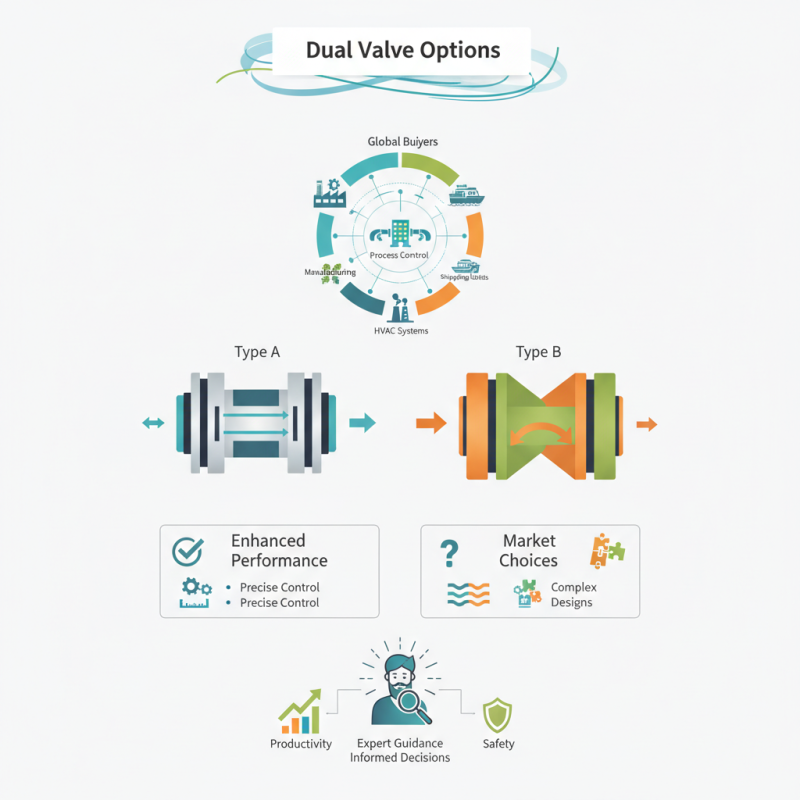
As companies expand globally, the demand for reliable dual valve options surges. From manufacturing to HVAC systems, these valves ensure precise control. However, the market is flooded with choices, making it challenging for buyers to select the best options. Subpar products can lead to inefficiencies or even failures, prompting the need for careful consideration.
Moreover, understanding the nuances in dual valve types is crucial. Not all valves are created equal; variations exist in design and functionality. Buyers often navigate through features that may not suit their specific needs. This emphasizes the importance of expert guidance. Making informed decisions about dual valves can significantly impact productivity and safety in operations.
Overview of Dual Valve Technology and Its Applications
Dual valve technology plays a crucial role in various industries, including oil and gas, water treatment, and manufacturing. This technology allows for better control and efficiency in fluid management systems. Reports indicate that the global market for dual valve technologies is projected to grow significantly, potentially reaching USD 2.5 billion by 2025. This growth reflects the increasing need for energy-efficient solutions.
Applications of dual valves include automated systems in manufacturing. These valves ensure precise fluid flow and minimize waste. For instance, a recent study highlighted that using dual valves can reduce leakage rates by up to 30%. Such improvements can lead to substantial cost savings over time. However, challenges remain. Many organizations struggle with the integration of new technologies into existing systems.
Moreover, the training of personnel is crucial. Without proper understanding, the benefits of dual valves may not be fully realized. A survey revealed that 40% of companies experienced setbacks due to insufficient staff training on new equipment. Organizations must address this gap to leverage the full potential of dual valve technology. This emphasizes the need for a careful, reflective approach when adopting new technologies.
Key Features to Consider in Dual Valve Selection
When selecting dual valves, several key features must be assessed. Understanding pressure ratings is crucial. Valves should operate efficiently at your system's specific pressures. Higher pressure ratings often indicate better durability and reliability.
Another essential aspect is the material. Materials like stainless steel or brass are popular due to their resistance to corrosion. This durability can enhance valve longevity and performance. It's imperative to consider operating conditions. Environmental factors can significantly impact your choice.
Lastly, look at maintenance requirements. Some valves need regular checks, while others are more self-sufficient. This factor can influence overall costs. It's vital to reflect on your system's needs and the potential impact of these features. By doing so, you can make a more informed decision.
What are the Best Dual Valve Options for Global Buyers? - Key Features to Consider in Dual Valve Selection
| Feature |
Option A |
Option B |
Option C |
| Material |
Brass |
Stainless Steel |
Plastic |
| Pressure Rating |
150 PSI |
200 PSI |
100 PSI |
| Temperature Rating |
-20 to 150 °C |
-40 to 200 °C |
-10 to 100 °C |
| Actuation Type |
Manual |
Electric |
Pneumatic |
| Size |
1 inch |
2 inches |
3/4 inch |
| Applications |
Water Supply |
Oil & Gas |
Chemical Processing |
Top Manufacturers and Brands of Dual Valves
The global dual valve market is witnessing significant growth, driven by the increasing demand for energy-efficient solutions. According to industry reports, the dual valve segment is expected to reach a market size of over $15 billion by 2025. This growth is largely attributed to advancements in technology and automation within various industries.
Leading manufacturers in the dual valve sector focus on reliability and performance. They emphasize the importance of design quality and material durability. Failed valves can lead to downtime, affecting productivity. Many companies invest heavily in R&D to enhance valve functionality and lifespan. This commitment reflects a growing trend towards sustainable practices in manufacturing.
Another critical aspect is the shift towards smart valve technology. Integration with IoT systems enables real-time monitoring. However, many users still face challenges in adapting to these new technologies. The learning curve can be steep, leading to underutilization of advanced features. Ongoing training and support are essential for maximizing performance. This gap in adoption may hinder some manufacturers from fully realizing their product's potential.
Comparative Analysis of Pricing for Dual Valves
When considering dual valves, buyers face a wide range of pricing options. Prices can vary significantly based on materials, design, and functionality. For instance, basic dual valves made from standard materials generally start at a lower price point. However, those featuring advanced engineering or high-performance materials can cost considerably more.
A careful analysis reveals the importance of balancing cost with quality. Some higher-priced options are justified by their durability and efficiency. Yet, not all expensive dual valves outperform their cheaper counterparts. Buyers often overlook essential details, such as long-term maintenance costs, which can offset initial savings.
Buyers should also consider regional pricing differences. Global markets often reflect varying demand and supply dynamics. This can lead to price fluctuations that may surprise potential buyers. Researching local options is crucial. Though initial impressions matter, the true value lies in the functionality and reliability of the chosen dual valve.
Market Trends and Future Directions for Dual Valve Innovations
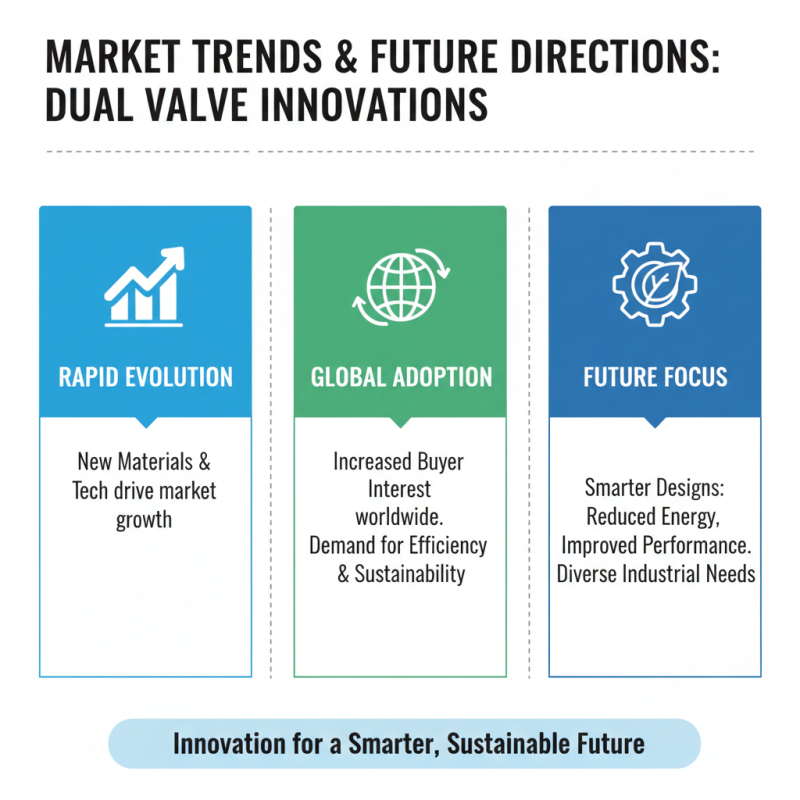
The dual valve market is evolving rapidly. Innovations emerge from new materials and technologies. Buyers worldwide show increasing interest in these products. This trend reflects a push for efficiency and sustainability. Manufacturers are exploring smarter designs that reduce energy consumption and improve performance. They seek to address diverse industrial needs globally.
Recent advancements focus on automation integration. This allows for real-time monitoring and control. However, challenges remain in ensuring seamless compatibility across various systems. Insightful collaboration among engineers is crucial in overcoming these obstacles. Market demands steadily shift, pushing for customizable solutions. Yet, industries grapple with balancing cost and complexity.
Additionally, the environmental impact of dual valves is under scrutiny. Many manufacturers aim for eco-friendly solutions. Yet, some practices can lead to waste. Industry leaders must prioritize transparency in production processes. This will build trust and drive consumer confidence. Overall, the dual valve sector stands at a crossroads, balancing innovation with responsibility.