2026 Best Double Flanged Butterfly Valve Models to Consider?
When selecting the right components for industrial applications, the double flanged butterfly valve stands out. This valve type is known for its efficiency and versatility. Many models available in the market can fit various needs. They offer unique designs that cater to different industries.
In 2026, several models will be on the radar for engineers and procurement teams. These valves come with features aimed at improving performance and reliability. However, not all options are ideal for every setting. It's crucial to assess the specific requirements of your operation. Factors like pressure rating, material compatibility, and installation space should not be overlooked.
Choosing a double flanged butterfly valve isn’t just about the price. Quality and longevity are just as significant. Sometimes, companies may overlook these aspects and regret it later. The right valve can lead to better overall system efficiency. Therefore, careful consideration of all available models is essential for making an informed decision.
2026 Market Overview for Double Flanged Butterfly Valves
The double flanged butterfly valve market is evolving rapidly in 2026. These valves are popular due to their efficient design. They provide great sealing and flow control, making them suitable for various applications. Industries like water treatment and HVAC systems rely on these valves for optimal performance.
When selecting a model, consider the materials used in construction. Corrosion resistance is crucial for longevity. These valves can be made from stainless steel, ductile iron, or PVC. Each material has its own advantages and limitations. Ensure you evaluate the specific needs of your project to avoid potential pitfalls.
Tips: Regular maintenance is key. Monitor the valve's performance closely. Look for signs of wear that may affect operations. Understanding the environment where the valve will be used is essential. Different conditions can impact valve efficiency. Do not overlook this crucial step.
Key Specifications and Standards for Butterfly Valves in 2026
When evaluating butterfly valves for 2026, certain specifications must be prioritized. An important aspect is the material. Butterfly valves can be made from various materials like stainless steel, cast iron, and PVC. The choice of material affects durability and suitability for different applications. Another vital specification is the pressure rating. Ensuring that the valve can handle the system's pressure is essential. A mismatch can lead to operational failures.
Standards play a crucial role in the selection process. Compliance with industry standards ensures reliability. Look for valves that meet ISO and ASTM specifications. These standards ensure safety and performance. Additionally, manufacturers often provide certification details. These certifications confirm that the valves operate efficiently under specified conditions.
Consider the size and design as well. Proper sizing impacts flow characteristics significantly. Overly large valves may lead to turbulence. On the other hand, small valves could result in pressure drops. Regular feedback from users indicates these factors often get overlooked. It's essential to research and analyze different models thoroughly before making a decision. Choosing the right butterfly valve may seem simple, but it requires careful consideration and reflection.
Top Manufacturers and Their Leading Models in Double Flanged Design
When choosing double flanged butterfly valves, consider the leading models in the industry. Many manufacturers have developed innovative designs that enhance efficiency and durability. Look for features such as high corrosion resistance and sturdy materials. These are crucial for long-term performance.
**Tip:** Always check the valve’s specifications. Ensure it matches your system’s requirements. A mismatched valve can lead to failures or leaks.
Several manufacturers offer exceptional designs. Their models often come with distinct benefits. For example, ease of maintenance is a key factor. Some models allow for quick disassembly. This can save time during repairs.
**Tip:** Evaluate user reviews. Feedback can provide insights into performance and reliability. Take time to assess experiences shared by others.
In this evolving market, staying informed is vital. New technologies are being implemented. Some may provide better service than established models. Keeping an open mind helps identify the best options.
2026 Best Double Flanged Butterfly Valve Models to Consider
This chart displays the performance metrics of top double flanged butterfly valve models based on various critical parameters such as Flow Coefficient (Cv), Operating Pressure (PSI), and Temperature Rating (°F).
Comparative Analysis of Performance Metrics in Butterfly Valves
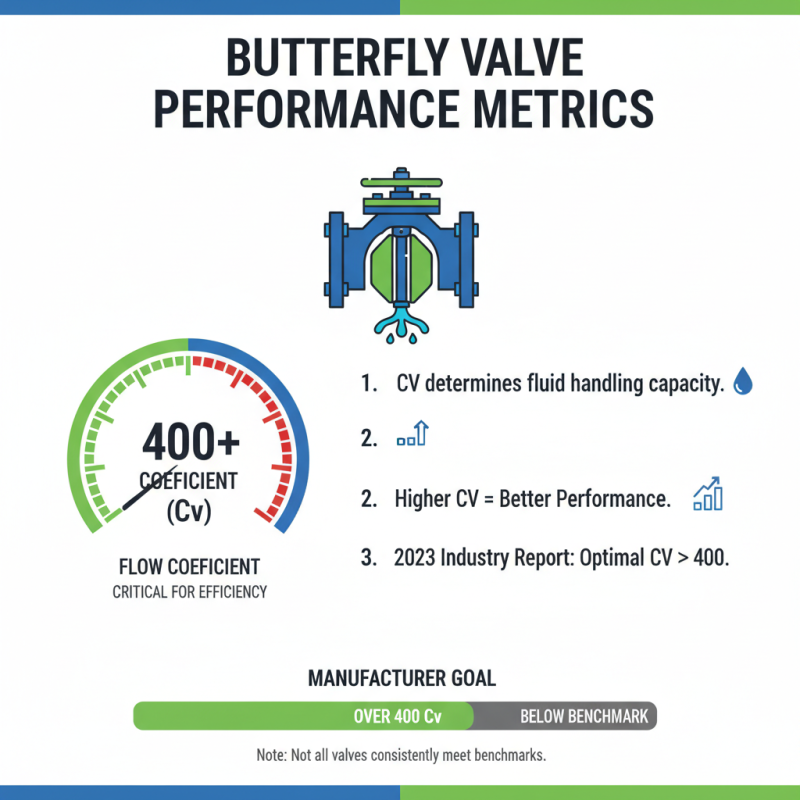
When analyzing butterfly valves, performance metrics are critical. A 2023 industry report indicates that flow coefficient (Cv) is essential for assessing a valve's efficiency. The Cv value determines how much fluid a valve can handle. Higher Cv values indicate better performance. Many manufacturers strive for optimal Cv ratings, often achieving over 400. However, not all valves meet these benchmarks consistently.
Another vital metric is torque requirements. It's crucial for installation and operation. Data show that double flanged butterfly valves typically require less torque than their counterparts. This reduction in torque can lead to easier maintenance and lower operational costs. Conversely, some lighter models may not support heavy flow applications, which raises concerns about reliability under high pressure.
Leakage rates also play a significant role. Recent findings reveal that some butterfly valves exhibit higher than acceptable leakage rates when subjected to rigorous testing. These discrepancies warrant attention. End-users should scrutinize valve specifications closely. Performance can fluctuate based on materials and design. Thus, understanding these nuances in performance metrics is indispensable for making informed decisions.
Trends and Innovations Shaping the Butterfly Valve Industry by 2026
The butterfly valve industry is witnessing significant trends influencing its future. Key innovations revolve around materials, design, and technology integration. Lightweight materials like composites improve efficiency and reduce wear. These advancements are crucial for enhancing operational durability.
Design is evolving, too. Modern double flanged butterfly valves now offer better flow control. They provide tighter seals, which significantly minimize leakage. However, not all recent designs are flawless. Some manufacturers face challenges in maintaining consistent quality across production lines.
Digital technologies are also transforming this sector. Smart sensors and IoT connectivity enhance monitoring and control. These innovations enable predictive maintenance, potentially reducing downtime. Yet, the reliance on technology raises concerns about cybersecurity vulnerabilities. Balancing advanced features with security measures becomes essential. As we move toward 2026, these trends will undoubtedly shape the butterfly valve landscape.