Discover the Best Digital Menu Boards for Your Business Needs?
In the rapidly evolving world of retail and dining, businesses are turning to digital solutions. One standout option is the Digital Menu Board. According to industry expert John Smith, “A well-designed Digital Menu Board can enhance customer engagement and streamline operations.” This technology not only displays menus but also captures customer attention in unique ways.
However, not every Digital Menu Board is created equal. Factors to consider include screen quality, software compatibility, and ease of use. For instance, some systems may offer advanced customization but can be cumbersome for staff to update. Businesses must weigh these aspects carefully. It's essential to choose a solution that not only fits current needs but also anticipates future growth.
Digital Menu Boards can transform the customer experience. Yet, some implementations often fall short of expectations. Poor visibility, outdated content, or complex interfaces can hinder effectiveness. It’s crucial for businesses to reflect on these challenges. Investing in high-quality digital solutions can yield impressive results, but only if the right choices are made.
Understanding Digital Menu Boards and Their Importance
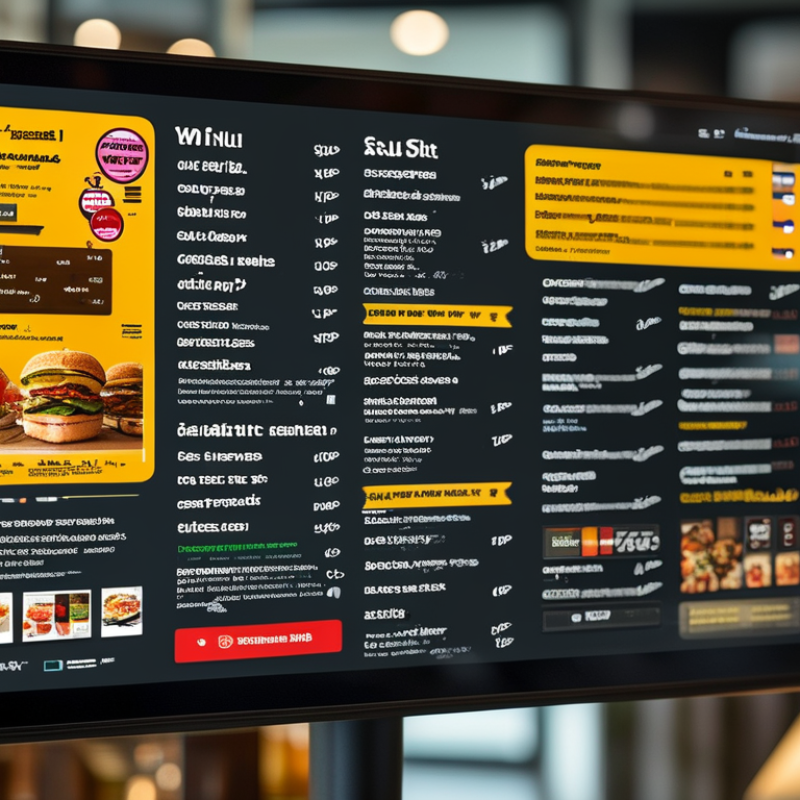
Digital menu boards have become essential in today’s fast-paced business landscape. These screens provide a dynamic way to showcase products, prices, and promotions. Unlike traditional menus, digital boards can be easily updated in real-time. This flexibility allows businesses to adapt to changing customer preferences quickly.
Understanding the importance of digital menu boards goes beyond just aesthetics. They enhance customer experience by providing clear and engaging visuals. Bright colors and vivid images can grab attention more effectively than printed options. However, it’s crucial to ensure that the content is well-curated and not overwhelming.
Too much information can lead to confusion. Businesses should regularly review and refine their displays for clarity and effectiveness. It’s a balance between creativity and practicality that needs constant reflection.
Key Features to Look for in Digital Menu Boards
When selecting digital menu boards, various key features can significantly enhance your business operations. Bright, high-resolution screens attract customers’ attention. Clarity matters; you want your menu items to be easily readable from a distance. Touchscreen interfaces can further engage customers, allowing them to explore options interactively. However, increasing complexity can sometimes confuse staff or customers. It’s essential to balance technology with user-friendliness.
Consider the flexibility of content management. You should be able to update prices, promotions, and menu items quickly. Real-time updates can help in maintaining accuracy. Integration with inventory management systems might streamline operations. Yet, relying too heavily on technology can lead to glitches at critical times. Regular testing and maintenance are crucial to ensure reliability.
Finally, think about the durability of the hardware. Digital boards should withstand various environments, especially if placed outdoors. Weather and lighting conditions can affect performance. Keeping track of maintenance schedules is necessary to prevent potential issues. In this fast-paced environment, taking the time to reflect on these factors can lead to a more effective selection process for your digital menu boards.
Best Digital Menu Boards Features Comparison
Comparing Types of Digital Menu Boards for Various Businesses
Digital menu boards come in various types, catering to the diverse needs of businesses. Restaurants and cafes often favor high-resolution displays to showcase appealing images of their dishes. A vibrant and dynamic menu can draw customers in, increasing sales. However, it’s essential to consider user-friendliness. Menus must be easily readable and quick to update. Cluttered screens can confuse patrons, detracting from the overall experience.
Retail shops might opt for less extravagant options. Simple digital boards can convey promotions without overwhelming visuals. These boards should focus on clarity. Content like prices and discounts must be easy to digest at a glance. Still, it’s important to ensure that these displays are not too static; frequent updates help maintain customer interest. Balancing aesthetics and functionality is key for effectiveness.
Selecting the right digital menu board involves understanding your target audience. Factors like location and foot traffic play a significant role. Take time to assess customer interactions with existing displays. If viewers appear disinterested or confused, it may indicate a need for redesign. Digital menu boards should evolve with your brand, reflecting changes in menu offerings and customer preferences.
Cost Considerations When Choosing Digital Menu Boards
When considering digital menu boards, cost is a prominent factor. The initial investment can vary widely based on screen quality, software, and installation. According to industry reports, small to medium-sized businesses can expect to pay between $2,000 and $10,000 for a complete setup. This includes hardware, software licenses, and the necessary installation expertise.
Operating costs should also be factored in. Maintenance and content management can lead to ongoing expenses. A report from Digital Signage Today suggests that businesses could spend up to $300 monthly for content management systems and updates. These costs can add up, impacting budget allocation. Evaluating your business needs and expected return on investment is crucial before making a final decision.
Tips: Consider leasing options for digital menu boards. This can help reduce upfront costs. Additionally, investing in user-friendly software can decrease ongoing management expenses. Assess your business size and customer flow regularly, adjusting your strategy accordingly for optimal efficiency. Think about how often you'll change your menu. Too frequent updates can incur higher costs; balance is key.
Integrating Digital Menu Boards into Your Business Infrastructure
Integrating digital menu boards into your business infrastructure can transform customer experiences. These boards enable dynamic content updates, ensuring your offerings are always relevant. Whether you're in food service, retail, or hospitality, adopting this technology can enhance visibility and engagement.
Tips: Keep content fresh. Regularly update menus and promotions to capture attention. Customers appreciate new options. Use high-quality images. Visual appeal can significantly influence purchasing decisions. Ensure text is easy to read. Customers are more likely to make quick choices when information is clear.
While digital menu boards are effective, some businesses struggle with implementation. Choosing the right software can be daunting. A user-friendly interface makes content management simpler. Training staff is essential. Ensure they understand how to operate the system smoothly. Addressing these challenges upfront can lead to long-term benefits.