10 Best Check Valves for Optimal Performance and Reliability?
Choosing the right check valve is crucial for ensuring optimal performance in various systems. A check valve allows fluid to flow in one direction while preventing backflow. This simple yet essential component plays a significant role in both residential and industrial applications.
In this guide, we will explore the ten best check valves available today. Each option brings unique features and benefits. Understanding these differences can help you make an informed choice. A valve’s material, size, and pressure rating are key aspects to consider.
Selecting the right check valve can often feel overwhelming. There’s a lot of information out there, and not all sources are reliable. Some people may overlook quality for price, which can lead to issues down the road. Reflecting on your specific needs can lead to better decisions. With the right knowledge, you can enhance your project’s efficiency and reliability.
Overview of Check Valves and Their Importance in Fluid Systems
Check valves play a crucial role in fluid systems. They prevent backflow, ensuring that liquids and gases flow in one direction. In various industries, including oil and gas, water treatment, and chemical processing, these valves are essential for maintaining system integrity. A report from the Global Check Valve Market estimates that the demand for check valves will grow by 5% annually through 2028.
Fluid systems can fail due to improper valve choices. When a check valve doesn't seal properly, backflow can occur, leading to contamination or equipment damage. Approximately 30% of system failures are attributed to faulty valves. Understanding the types and materials of check valves can significantly impact performance. For instance, plastic valves may be suitable for low-pressure applications, while metal ones are better for high-pressure systems.
Many users overlook maintenance for check valves. Regular checks are important to ensure reliability. Neglecting valves can lead to costly repairs. Data indicates that proactive maintenance can reduce downtime by about 20%. Therefore, investing time in understanding check valves and monitoring their condition is essential for optimal operation in fluid systems.
10 Best Check Valves for Optimal Performance and Reliability
| Model |
Material |
Size |
Pressure Rating |
Temperature Range |
End Connection Type |
| Model A |
Brass |
1" |
150 PSI |
-30°F to 200°F |
Threaded |
| Model B |
Stainless Steel |
2" |
200 PSI |
-40°F to 250°F |
Flanged |
| Model C |
PVC |
1.5" |
80 PSI |
32°F to 140°F |
Slip |
| Model D |
Aluminum |
2.5" |
150 PSI |
-20°F to 180°F |
Threaded |
| Model E |
Cast Iron |
3" |
175 PSI |
-10°F to 220°F |
Flanged |
Types of Check Valves: Identifying the Best Options for Various Applications
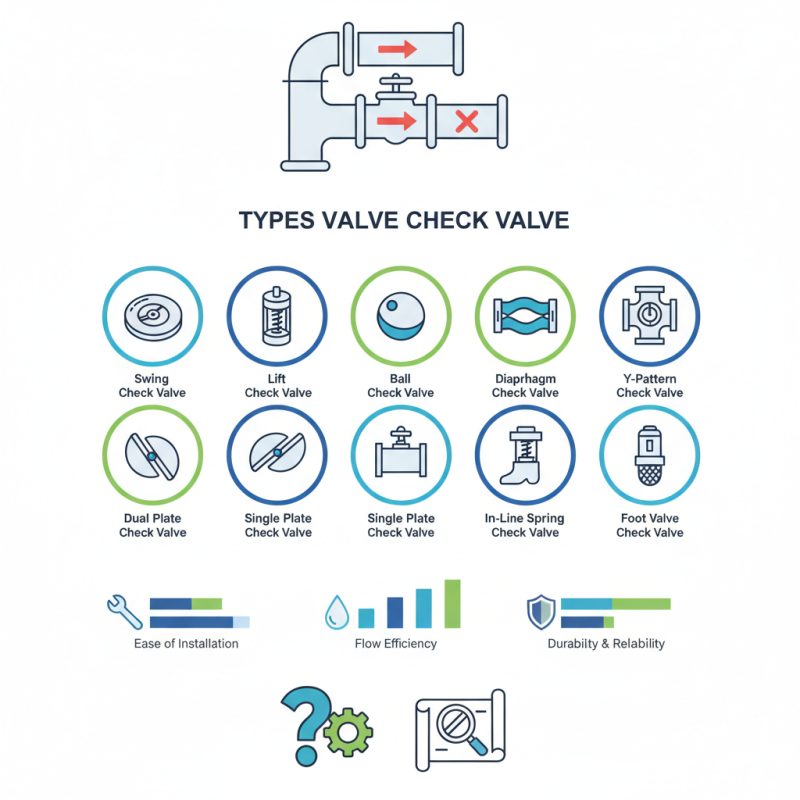
Check valves play a crucial role in various applications. They prevent backflow, ensuring optimal performance in systems like plumbing and industrial processes. Different types of check valves are designed for specific functions, making them suitable for various scenarios. The most common types include swing, lift, and diaphragm check valves.
Swing check valves operate with a hinged disc. They open with forward flow and close to prevent reverse flow. These valves are ideal for low-pressure applications.
Lift check valves, on the other hand, work similarly to a piston. They function well in high-pressure settings. Their design allows for smoother operation, but they can be sensitive to flow changes.
Diaphragm check valves offer flexibility. They are perfect for handling slurries and corrosive fluids. Each type has its own pros and cons, depending on the application.
Selecting the right check valve requires careful analysis. Consider factors like flow rates, pressure, and the medium involved. Sometimes, a choice may lead to inefficiencies. For instance, using a swing check valve in a high-pressure system may result in unexpected failures. Identifying the best option involves reflection and understanding specific needs. Balancing reliability and performance is key.
Key Features to Consider When Selecting Check Valves for Reliability
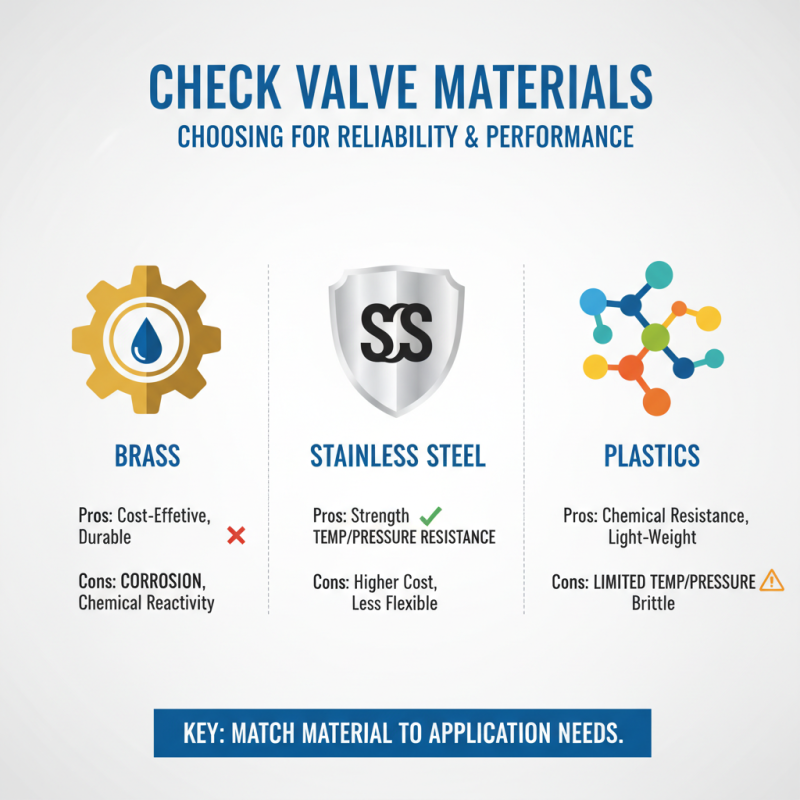
Choosing the right check valve is crucial for performance. Various features can enhance reliability. One key aspect is the material. It must withstand pressure and temperature. Common materials include brass, stainless steel, and plastics. Each has pros and cons. Brass can corrode, while plastics may fail under high heat.
Another important feature is the sealing mechanism. A tight seal prevents backflow. This is especially vital in systems where contamination is a concern. Look for valves with rubber seal designs. They offer better flexibility and longer life. However, ensure the seals are rated for your specific application.
Finally, consider the valve size and connection type. A mismatched size can lead to leaks. Evaluate the flow requirements of your system. Sometimes, larger valves may provide better flow but can be costly. Don't overlook installation ease either. Some designs are better suited for tight spaces than others. Remember, each choice affects performance. Reflect on what is best for your unique needs.
Top 10 Check Valves Reviewed: Performance, Durability, and Value
Check valves play a crucial role in various industries, ensuring efficient flow control. They prevent backflows, protecting pumps and systems. According to industry data, up to 80% of pump failures are linked to reverse flow issues. This makes selecting the right check valve essential for performance and durability.
When assessing check valves, several factors come into play. Materials like brass, stainless steel, and PVC significantly impact durability and resistance to corrosion. Reports show that proper valve selection reduces maintenance costs by up to 25%. It's important to match the valve type with the specific application to avoid inefficiencies and potential failures.
Among the common types, swing check valves and globe check valves exhibit varying performance characteristics. Swing check valves generally allow for quicker flow. However, they sometimes suffer from closure issues. Globe check valves, while resilient, may cause more pressure drops. This nuanced understanding is key, as the wrong choice can lead to costly mistakes and system inefficiencies.
Maintenance Tips for Ensuring Optimal Functionality of Check Valves
Check valves are crucial components in various systems, preventing backflow and ensuring optimal performance. Regular maintenance is vital for their reliability. Neglecting this can lead to failure, resulting in costly downtimes. A recent industry report states that improper maintenance can increase valve replacement costs by up to 30%.
To ensure functionality, inspect your valves regularly. Look for signs of wear, leaks, or corrosion. Clean the valve surfaces to remove debris. When dirt builds up, it can significantly hinder performance. Utilize a soft brush or cloth to maintain cleanliness.
Consider the environment where the check valve operates. Extreme temperatures or corrosive substances can lead to premature wear. Use a monitoring system to keep track of performance metrics. This proactive approach can prevent unexpected failures. Always have a maintenance schedule in place and adjust as needed based on the operational conditions. Aim for a balance between performance and reliability.