What Are the Benefits of Colored Light Therapy for Wellness?
Colored Light Therapy is gaining traction in wellness circles. This innovative treatment uses specific wavelengths of light to promote healing and enhance well-being. According to a report by ResearchAndMarkets, the global market for light therapy is projected to reach $3 billion by 2026. This surge highlights a growing recognition of alternative wellness practices.
Dr. Anna Lynn, a leading expert in the field of Color and Light Therapy, emphasizes its potential. She states, "Colored Light Therapy can transform emotional states and support mental health." This method employs various colors, each with unique benefits. Blue light can boost mood, while red light aids in tissue healing.
Despite the promising benefits, individualized responses vary. Some may find significant relief, while others experience minimal changes. This highlights the need for careful consideration and personalization in therapy. Understanding one’s unique needs remains crucial in the application of Colored Light Therapy for optimal wellness.
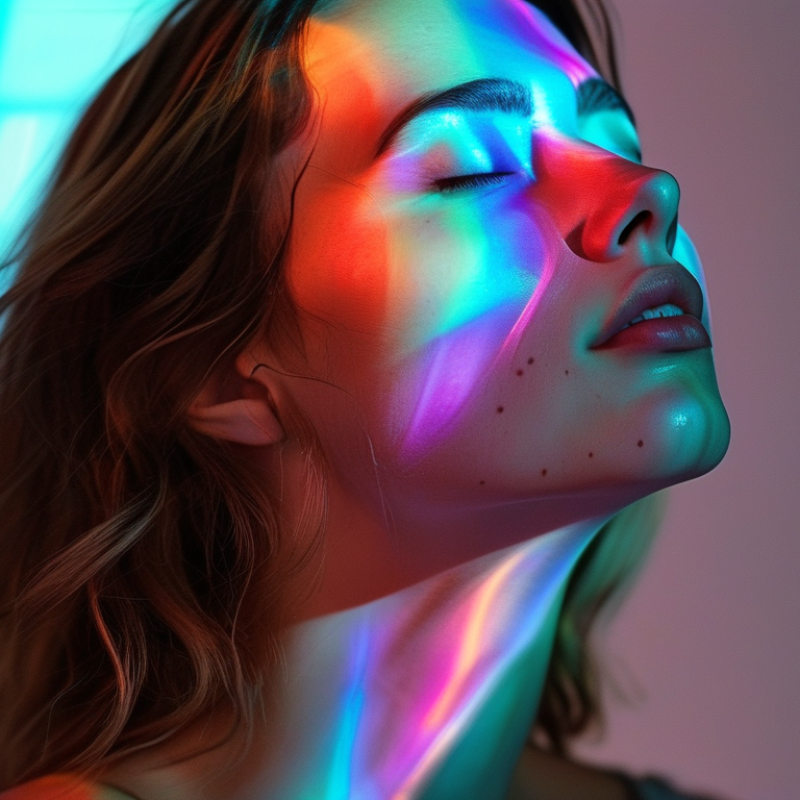
Understanding Colored Light Therapy: An Overview of its Mechanisms
Colored light therapy has gained popularity for its various wellness benefits. This approach uses different colors of light, each believed to affect bodily functions in unique ways. The science behind it is rooted in how light influences our biological rhythms and emotional states. By exposing skin to specific wavelengths, the body's natural processes might be enhanced, promoting relaxation and healing.
Red light is often used to stimulate collagen production, benefiting skin health. Blue light can target acne-causing bacteria, offering a potential solution for problematic skin. Green light therapy is thought to help reduce anxiety and calm the mind. These diverse applications illustrate the multifaceted nature of colored light therapy. However, research on its efficacy is still developing. Some therapies may not work for everyone, and results can vary widely.
The mechanisms behind colored light therapy involve cellular responses to light exposure. This interaction can potentially improve mood and energy levels. It’s important to approach the therapy with realistic expectations. While many users report positive outcomes, the experience can be highly individual. Adjusting to the effects and finding the right balance may take time. Further research will help clarify these experiences and improve understanding.
The Historical Background and Development of Colored Light Therapy
Colored light therapy, also known as chromotherapy, has roots that trace back thousands of years. Ancient civilizations used colored light for healing purposes. The Egyptians utilized sunlight in their temples. They believed in its power to cure physical ailments and uplift spirits. This early connection showcases the innate human desire for color's healing properties.
In the 19th century, notable figures like Dr. Edwin Landseer Radford popularized the use of colored light for medical treatments. He studied the effects of color on mental and physical health. His work laid the foundation for modern applications of colored light therapy. Practitioners began to explore how different colors can affect mood and promote wellness. This opened new avenues in alternative medicine.
Today, the exploration continues. Research indicates that colors can influence emotional states and cognitive functions. For instance, blue light may reduce anxiety, while yellow may boost energy levels. However, the science is not yet definitive. Ongoing studies reveal both promise and complexity in treatment approaches. Individuals must consider their needs and experiences when exploring colored light therapy.
Exploring the Various Types of Colored Light and Their Therapeutic Effects
Colored light therapy, also known as chromotherapy, involves using different colors of light to promote healing and wellness. Each color has a unique wavelength, which can affect our physical and emotional states in various ways. For instance, blue light is often linked to calming effects, reducing stress and anxiety. It creates a serene atmosphere, making it suitable for those struggling with sleep issues.
Red light therapy, on the other hand, is popular for its potential to enhance energy levels and promote physical recovery. It stimulates collagen production and can soothe inflammation. In these ways, it supports skin health and speeds up healing processes. However, not everyone experiences the same benefits. Individual responses vary, and some may find certain colors ineffective.
Green light is also noteworthy; it balances and stabilizes emotions. Many find its effect refreshing after a long day. Experimenting with different colors can be enlightening yet challenging. It’s essential to pay attention to how each color influences mood and energy. While colored light therapy shows promise, personal experiences may differ significantly. Understanding oneself is key to harnessing the full benefits of this practice.
Scientific Research and Evidence Supporting Colored Light Therapy Benefits
Colored light therapy, often called chromotherapy, offers numerous wellness benefits supported by emerging scientific research. Various colors have unique effects on mood and emotional well-being. For example, blue light can promote calmness, while red light is known to energize and stimulate. Many studies suggest that exposure to these colors can help manage stress and improve focus.
Scientific evidence is steadily growing. Research indicates that colored light can influence our circadian rhythms. This has implications for sleep quality and overall mental health. A systematic review found that participants reported reduced anxiety levels when exposed to specific color frequencies. However, some studies yielded mixed results, highlighting the need for further exploration.
While colored light therapy presents exciting possibilities, challenges exist. Individual responses can vary significantly. Some people may not experience the anticipated benefits. Variability in setups, like brightness and duration of exposure, also plays a crucial role. Continued research is essential to understand the underlying mechanisms and optimize therapy protocols. The journey of colored light therapy is captivating, but further evidence will strengthen its integration into wellness practices.
Practical Applications of Colored Light Therapy in Wellness and Health Settings
Colored light therapy has emerged as a beneficial tool in wellness and health settings. This method utilizes various light colors to influence mood, energy levels, and even physical health. For instance, blue light can enhance alertness, while red light promotes relaxation. These applications can range from therapeutic practices in spas to clinical environments.
In wellness centers, colored light therapy can serve multiple purposes. It can create calming atmospheres, aid in stress relief, and optimize spaces for meditation. Many practitioners combine colored lights with essential oils or sound therapy to deepen relaxation. This multi-sensory approach enhances the overall experience and effectiveness of each session.
When incorporating colored light therapy, consider the following: ensure the light intensity is appropriate. Too bright can be overwhelming; too dim may not provide benefits. Adjust light colors based on the desired outcome. For example, use green light to create balance and tranquility. Reflect on individual responses, as everyone reacts differently to colors. Experimenting with various hues can reveal personal preferences and optimal healing effects.
Benefits of Colored Light Therapy for Wellness
This chart illustrates the various benefits of colored light therapy for wellness, highlighting key areas like stress reduction, improved sleep, enhanced mood, pain relief, and skin health. Each percentage represents the effectiveness of colored light therapy in aiding these specific wellness goals.