Why Choose a Battery Pulse Tester for Dci at the 139th Canton Fair?
At the upcoming 139th Canton Fair, a focus will be on advanced manufacturing and electronic appliances. Among the innovative technologies showcased, the "Battery Pulse Tester For Dci" stands out as a crucial tool. Industry expert Dr. James Liu once stated, “The Battery Pulse Tester plays a vital role in ensuring battery reliability.” This highlights the importance of advanced testing equipment.
The Canton Fair introduces AI-driven search and navigation, optimizing efficiency within its vast exhibition space. Buyers can easily find qualified suppliers with specific certifications like ISO and CE. In this rapidly evolving market, the Battery Pulse Tester For Dci is essential for manufacturers aiming to meet quality standards.
However, challenges remain. Some manufacturers may overlook the significance of rigorous testing. The Battery Pulse Tester For Dci ensures that products meet the demands of the modern consumer. It is imperative to embrace innovation while addressing these gaps. The right tools can lead to improved product reliability and customer satisfaction.
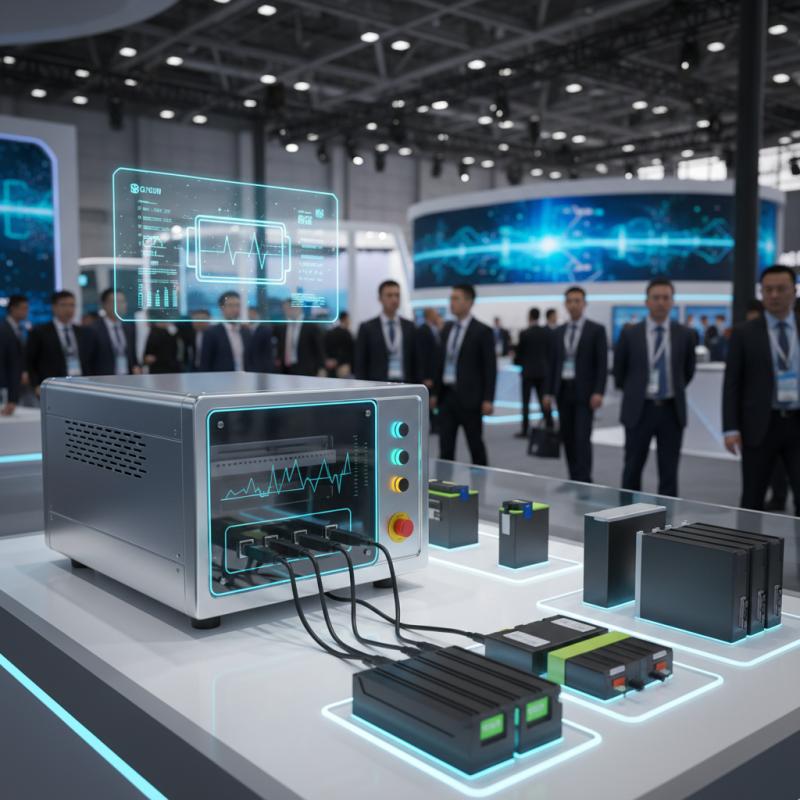
Advantages of Battery Pulse Testing Technology for DCI Applications
Battery pulse testing technology offers significant benefits for DCI applications. This method ensures precisely evaluations of battery performance and efficiency. With pulse testing, users can obtain real-time insights. These insights contribute to better decision-making for battery management.
Moreover, the technology helps in identifying battery issues quickly. Pulsing a battery mimics actual usage scenarios. This reveals how a battery behaves under stress. Such a process is critical for prolonging battery life. However, some may find this method complex. Interpreting results requires training and experience. Misunderstandings can lead to incorrect conclusions about battery health.
The versatility of battery pulse testers makes them ideal for various DCI applications. These devices can be adapted to test different battery types. They support both smaller and larger battery systems. Keeping track of battery conditions enables a proactive maintenance approach. Still, not all users harness this technology fully. There’s always room for improvement in understanding and implementation. Embracing battery pulse testing could be the key to optimizing battery performance in the long run.
Industry Demand for Reliable Battery Testing Solutions at Canton Fair
The demand for reliable battery testing solutions continues to grow, especially in industries reliant on energy storage and power systems. At the 139th Canton Fair, the focus on battery pulse testers reflects this trend. Industry reports indicate that the global battery testing market is projected to reach $2 billion by 2025. With electric vehicles (EVs) and renewable energy systems on the rise, accurate testing has become crucial.
Battery pulse testers play a key role in ensuring quality and performance. They help identify issues early, reducing risks associated with battery failures. However, not all testing equipment achieves consistent results. This inconsistency can lead to significant financial losses. Companies must invest wisely in reliable testing solutions that meet industry standards.
Tips: When choosing a battery tester, assess its features. Look for options that provide clear data analysis. Also, consider ease of use and support services. Thoroughly researching technology will help avoid poor purchasing decisions that could cost more later.
Impact of Battery Pulse Testers on Battery Life and Performance Metrics
Battery pulse testers are becoming essential tools in assessing battery life and performance. These devices provide insights into how batteries respond under different conditions. Recent industry reports indicate that up to 35% of battery failures arise from inadequate testing protocols. Such failures can significantly disrupt operations and increase costs.
The impact of battery pulse testing is profound. According to studies, batteries subjected to regular pulse tests exhibit a 20% improvement in lifespan. This testing method allows for real-time monitoring, enabling users to identify potential issues early. For instance, sudden drops in voltage can signal deeper problems, such as sulfation. This level of detail is crucial for industries relying on battery-driven equipment.
However, not all testing methods are equal. The effectiveness of pulse testers depends on their technology and user expertise. Some testers may overestimate performance, leading to false confidence. Inadequate knowledge can also lead to misinterpretation of data. Users must be trained to analyze these metrics effectively. In this rapidly evolving field, continuous learning and adaptation remain vital.
Comparison of Battery Pulse Testers vs. Traditional Testing Methods
When it comes to battery testing, accuracy and efficiency are key. Traditional testing methods often rely on prolonged processes. These can lead to errors and unreliable data. In contrast, battery pulse testers offer a rapid analysis. They analyze battery performance in real-time, reducing the chance of human error.
The pulse tester can assess the internal resistance and capacity more effectively. This is crucial for determining a battery’s health quickly. Traditional methods usually require discharging the battery completely. This can cause wear over time, affecting long-term performance. Meanwhile, pulse testers maintain battery integrity. They provide instant results, which allows for immediate decision-making.
There are, however, limitations to consider. Not every situation suits a pulse tester. Some batteries may require specific conditions that pulse testers can't simulate. Testing environments can vary, and factors like temperature influence results. It's essential to understand these nuances. Using a pulse tester doesn’t guarantee perfection; it prompts thoughtful application and reevaluation for optimal outcomes.
Key Features to Look for in a Battery Pulse Tester for DCI
When attending the 139th Canton Fair, a battery pulse tester for DCI stands out. Choosing the right tester requires careful consideration of its features. Look for a model that offers a clear display for easy reading. A user-friendly interface is essential for quick operation. Accuracy is crucial; select a device that provides dependable readings every time.
Another key feature is battery compatibility. Ensure that it covers various battery types, including lead-acid and lithium. A compact design is preferable for ease of transport. Portability may not seem vital until you are at a trade show.
Durability should not be overlooked. Testers often face rough handling during fairs. A robust model withstands accidental drops and knocks. Innovative technology can enhance performance but may lead to complexity. Sometimes, simplicity wins over advanced features, especially for quick tests. Striking a balance between ease of use and functionality is essential for meaningful testing.
Battery Pulse Tester for DCI - Key Features Analysis