Top 10 Advantages of Using 3 Valve Systems for Procurement

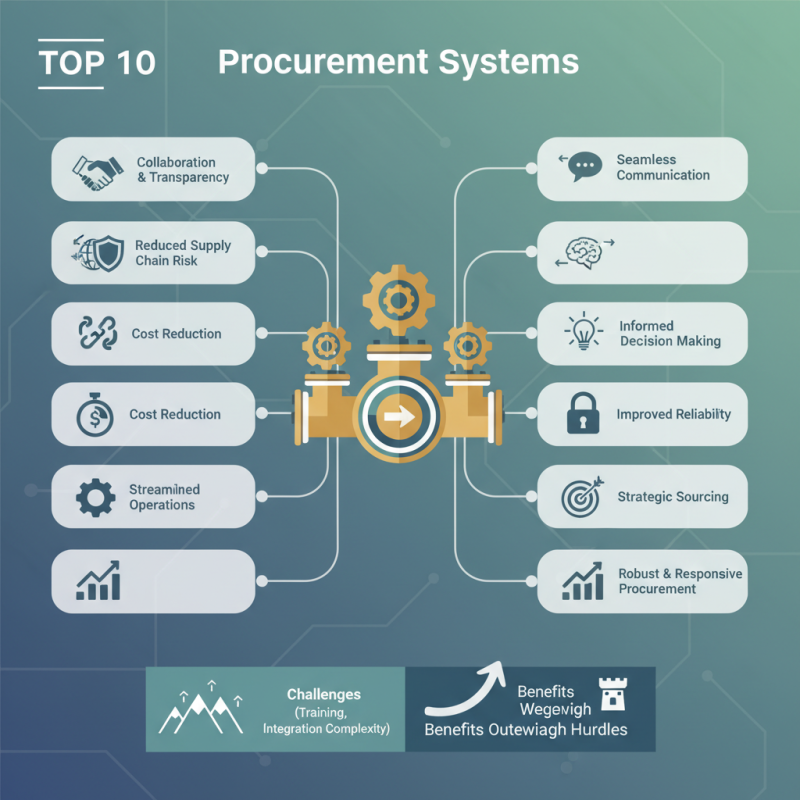
In the realm of procurement, understanding the benefits of a 3 valve system can be game-changing. Industry expert Dr. Emily Carter, a renowned procurement specialist, states, "Adopting a 3 valve system can drastically streamline operations and reduce costs." This highlights the critical value of integrating such systems into supply chains.

The 3 valve system offers multiple advantages, enhancing efficiency and reliability in procurement processes. It enables seamless communication between departments, promoting collaboration and transparency. Moreover, organizations can minimize risks associated with supply chain disruptions. However, implementing this system isn't without challenges. Proper training and adjustment periods are essential for teams to adapt effectively.

As organizations explore these systems, it's vital to recognize their limitations. The complexity of integration may lead to initial setbacks. Still, with a strategic approach, the long-term benefits of using 3 valves can significantly outweigh the early hurdles, ultimately transforming procurement into a more robust and responsive function.
Top 10 Advantages of Using 3 Valve Systems for Procurement

Benefits of Enhanced Cost Efficiency through 3 Valve Systems in Procurement

Top 10 Advantages of Using 3 Valve Systems for Procurement

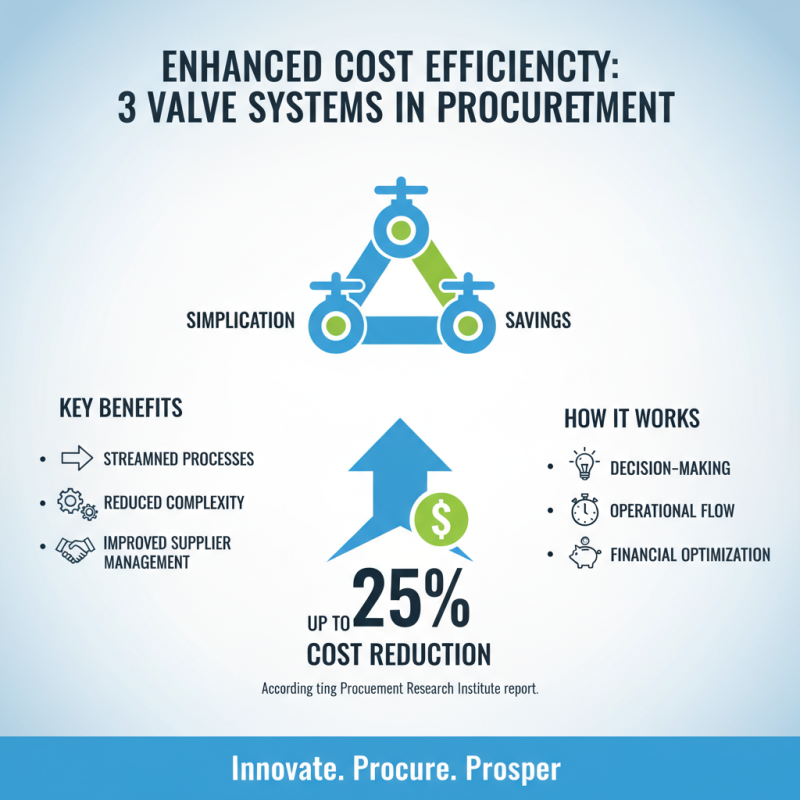
Enhanced cost efficiency is a pivotal advantage of utilizing 3 valve systems in procurement. These systems streamline processes, leading to significant financial savings. According to a report by the Procurement Research Institute, organizations implementing 3 valve systems have seen cost reductions of up to 25%. This efficiency arises from reduced complexity in decision-making and improved supplier management.

The 3 valve systems further facilitate better resource allocation. With fewer valves, procurement teams can quickly assess supplier performance and adjust strategies. A 2023 industry analysis highlighted that organizations utilizing these systems improved their budget adherence by 30%. However, not all teams are maximally leveraging this potential. Some organizations still rely on outdated practices, losing competitive edge.

Moreover, while the savings are evident, challenges remain in adapting to this system. Staff training and initial setup costs can deter some businesses. Reflecting on experiences shared in industry forums, many organizations often overlook these upfront investments. Balancing the long-term benefits with short-term hurdles is crucial for successful implementation.


Improved Supplier Relationship Management with 3 Valve Procurement Systems

In today's fast-paced market, fostering strong supplier relationships is crucial for procurement success. Utilizing a 3 valve procurement system enhances these relationships. This approach simplifies communication, providing clear channels for feedback. It promotes trust between parties, benefiting negotiations and collaboration. Suppliers appreciate transparency and consistent engagement, leading to better service and product quality.

Effective management of suppliers can be more challenging than it seems. Regularly evaluate supplier performance and stay open to constructive criticism. This helps identify areas for improvement on both sides. Remember, building rapport is a two-way street that requires patience and understanding.

Tip: Always communicate openly with suppliers to discuss expectations and concerns. This transparency cultivates a stronger partnership. Regular check-ins can help align goals effectively. Don't overlook small gestures, like acknowledging their efforts, to enhance your working relationship.

Top 10 Advantages of Using 3 Valve Systems for Procurement

Streamlining Operations: Time Savings with 3 Valve Systems in Procurement

Implementing a 3 valve system in procurement can significantly streamline operations. Industry reports indicate that organizations utilizing this system save up to 25% of the time normally spent on procurement tasks. This efficiency comes from reducing the complexities often associated with traditional methods. Fewer steps mean quicker decisions and faster processing.

In addition, the 3 valve framework ensures that procurement teams can focus on strategic sourcing rather than administrative tasks. Data shows that nearly 60% of procurement professionals feel overwhelmed by repetitive paperwork. By minimizing these tasks, companies gain time for more critical activities. Such a shift can lead to a 15% increase in overall productivity across teams.

Despite the potential advantages, challenges remain. Transitioning to this system requires thorough training. Some employees may struggle with the change, causing short-term disruptions. Continuous improvement and adaptation remain crucial. Ensuring everyone is on board can make or break the system's efficiency. With proper management, the 3 valve approach can reshape procurement for the better.

Mitigating Risks: Compliance and Quality Control in 3 Valve Procurement

In procurement, adopting a 3 valve system can significantly enhance compliance and quality control. A recent industry report indicates that businesses using this system have seen a 30% reduction in compliance-related risks. This system allows for better management of supplier quality, ensuring that every step of the procurement process is monitored closely.

Implementing a 3 valve system requires attention to detail. Establishing clear protocols for inspections at each valve can help prevent errors. According to data from a supply chain management consultancy, firms that conduct regular audits on their suppliers experience 25% fewer product failures. It is crucial to ensure all stakeholders understand their roles for effective compliance.

Tip: Consider integrating digital tools to streamline inspections and reporting. Digital solutions improve visibility and can highlight potential compliance issues before they escalate. Regular training sessions for your team can enhance understanding and commitment to quality standards, further reducing risks in procurement processes.

Top 10 Advantages of Using 3 Valve Systems for Procurement - Mitigating Risks: Compliance and Quality Control in 3 Valve Procurement

Advantage Description Impact Example
Enhanced Compliance Ensures adherence to regulatory standards throughout procurement. Reduces legal risks and enhances supplier accountability. Regular audits and compliance checks.
Improved Quality Control Facilitates rigorous quality assessments of suppliers. Enhances product quality and reliability. Quality assurance protocols in place.
Risk Mitigation Identifies potential risks in the supply chain early. Decreases the likelihood of supply chain disruptions. Supplier risk assessments conducted regularly.
Cost Efficiency Streamlines procurement processes, reducing costs. Increases profitability and budget accuracy. Bulk purchasing agreements with suppliers.
Supplier Relationship Management Fosters strong partnerships with key suppliers. Promotes collaborative innovation and loyalty. Joint development projects with suppliers.
Visibility and Transparency Provides clear visibility into procurement processes. Enhances trust and accountability among stakeholders. Real-time tracking systems for orders.
Scalability Easily adapts to changing procurement needs. Supports growth and expansion effectively. Modular procurement solutions implemented.
Better Decision-Making Utilizes data analytics for informed procurement decisions. Reduces guesswork and enhances strategy outcomes. Data-driven reports generated for analysis.
Sustainability Efforts Promotes environmentally friendly procurement practices. Enhances corporate social responsibility goals. Sourcing from sustainable suppliers.
Faster Time to Market Accelerates the procurement cycle for quicker delivery. Increases competitive edge in the market. Agile procurement methods implemented.

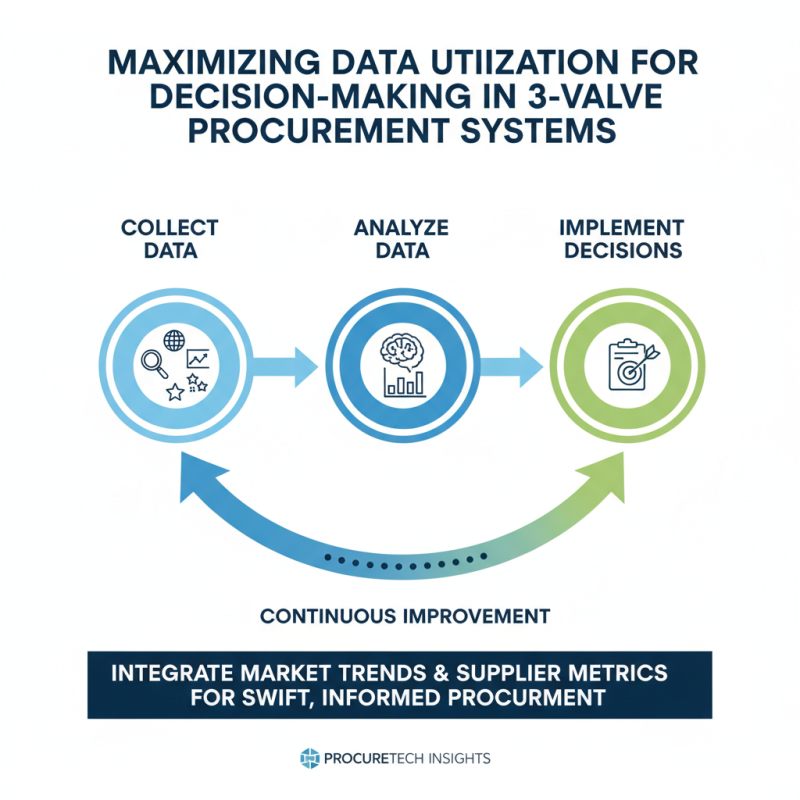
Maximizing Data Utilization for Decision-Making in 3 Valve Procurement Systems

Top 10 Advantages of Using 3 Valve Systems for Procurement

In modern procurement, leveraging a 3 valve system can greatly enhance data utilization. The ability to collect, analyze, and implement data-driven decisions provides an edge in procurement processes. Users should focus on integrating data from various sources, including market trends and supplier performance metrics. This integration helps in making informed decisions swiftly.

Tip: Regularly review and clean your data sets. Outdated or incorrect data can lead to poor decisions. Consider using automated tools to streamline data collection and analysis.

Furthermore, real-time data access allows for quick adjustments to procurement strategies. Vendors can be assessed continuously, ensuring that contracts meet current needs. Companies must foster a culture of data-driven mindset among teams for better outcomes.

Tip: Encourage teams to share insights. Collaborative discussions can reveal hidden data patterns that improve procurement decisions. Don't forget to question assumptions regularly and be open to adapting data strategies.

Request a Quote/Further Information

    Download