What is an Adjustable Toilet Flange and How to Choose One?
In the world of plumbing, an Adjustable Toilet Flange plays a crucial role. It connects your toilet to the waste pipe and ensures a proper seal. Choosing the right flange can be daunting; many options exist. Understanding the importance of an Adjustable Toilet Flange is essential for any homeowner or DIY enthusiast.
When considering a new flange, several factors come into play. You need to consider the height of your flooring. An adjustable model allows you to modify the flange's height. This versatility helps compensate for installation variations, ensuring a secure fit. If you're stuck with an older, fixed flange, you might encounter issues down the line.
Many homeowners overlook the benefits of this adjustable feature. A standard flange may not fit all situations. It can lead to leaks or improper toilet installation. This detail can be frustrating, but it highlights the need for careful selection. An adjustable toilet flange provides a solution and brings peace of mind. Choosing wisely can prevent future plumbing problems.
What is an Adjustable Toilet Flange and Its Purpose?
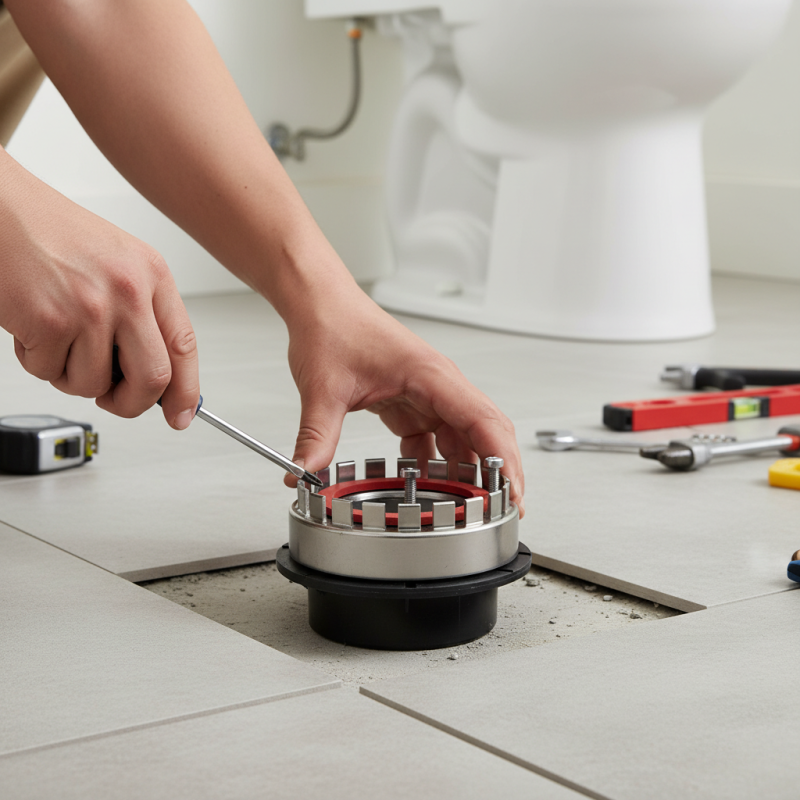
An adjustable toilet flange is a crucial component in bathroom plumbing. It connects the toilet to the waste pipe, ensuring a secure seal. This flange is designed to adapt to various floor heights, making installation easier. When the toilet is installed too high or too low, it can cause leaks or instability. An adjustable flange effectively resolves these issues.
Choosing the right adjustable toilet flange can be tricky. Look for durable materials like brass or PVC to ensure longevity. The flange should also feature proper width and height adjustments. Installation is straightforward, but it requires precision. Misalignment can lead to leaks later. Pay attention to the manufacturer's specifications for a proper fit.
Tips for installation: Always check the level of your toilet after installation. A slight tilt can cause problems over time. Sealant can add extra protection against leaks. Ensure that all bolts are tightened, but avoid over-tightening, as this can crack the flange. If you encounter issues, don't hesitate to seek advice from a plumbing professional. Taking these steps will lead to a reliable toilet setup that performs well for years.
Key Features of Adjustable Toilet Flanges You Should Know
Adjustable toilet flanges are essential for ensuring a proper seal between the toilet and the drainage pipe. Choosing the right one can be crucial for bathroom installation. When selecting an adjustable flange, consider its material, adjustability range, and compatibility with your toilet.
One key feature to examine is the flange's height adjustment capability. Many adjustable flanges can add several inches of height, accommodating various flooring materials like tile or laminate. Research indicates that improper height can lead to leaks or instability, with about 25% of plumbing issues attributed to this.
Durability is another aspect to consider. Look for flanges made from robust materials such as PVC or metal composites. A study from the Plumbing Manufacturers International shows that high-quality materials can extend the lifespan of plumbing fixtures by up to 30%. Additionally, ensuring a snug fit around the toilet base is vital. Poor alignment can lead to future repairs, which can be costly and time-consuming.
How to Determine the Right Size for Your Adjustable Toilet Flange
Choosing the right size for your adjustable toilet flange is crucial. A proper fit ensures your toilet functions correctly and prevents leaks. Start by measuring the distance from the wall to the center of the closet bolts. This distance is typically 12 inches for standard installations, but it can vary. Knowing this dimension helps you select a flange that aligns perfectly with your toilet.
Consider the thickness of your flooring as well. If you have added a new layer of tile or laminate, the flange height must accommodate these changes. An adjustable flange can raise or lower to meet your needs. However, if the flange is not the right height, it may cause sealing issues.
It’s also important to check the weight and material of the flange. Lighter materials may seem easier to work with but can lack durability. Choose a flange that withstands the weight of the toilet over time. Regularly review the condition of your flange. A worn-out flange can lead to persistent plumbing issues. Adjust as necessary for a lasting solution.
What is an Adjustable Toilet Flange and How to Choose One?
| Dimension | Description | Typical Ranges |
| Height Adjustment | The range of height adjustment available for the flange. | 0.5" - 2.5" |
| Material | The material the flange is made from affects durability and stability. | PVC, ABS, Metal |
| Size Compatibility | The toilet flange needs to match the size of your drain pipe. | 3", 4" |
| Installation Type | The method by which the flange can be installed on the floor. | Glue, Screw-down, Snap-on |
| Weight Capacity | The maximum weight the flange can support without failure. | 400 lbs - 600 lbs |
Step-by-Step Guide to Installing an Adjustable Toilet Flange
Installing an adjustable toilet flange can seem daunting, but with the right steps, the process becomes manageable. Start by gathering essential tools: a wrench, screws, and a level. Begin by removing the old toilet and inspecting the floor for any damage or leaks. If you find any issues, repair them before proceeding.
Next, position the adjustable flange over the drain. Ensure that it is level to prevent any future leaks. It should sit flush with the floor surface. This attention to detail is crucial for a secure installation. Use screws to secure the flange tightly, making sure it doesn’t wobble.
After the flange is installed, reattach the toilet. Make sure it aligns properly with the flange. Tightening the bolts too much can crack the toilet. If this happens, re-evaluate your approach before continuing. Double-check all connections before finishing up. Proper installation will save time and prevent headaches later.
Adjustable Toilet Flange Installation Difficulty Ratings
Common Issues and Solutions with Adjustable Toilet Flanges
Adjustable toilet flanges have become increasingly popular due to their versatility. However, they do present some common issues. One major concern is improper height adjustment. If the flange is too high or too low, it can lead to leaks or unstable toilet installations. According to the Plumbing-Heating-Cooling Contractors Association, about 15% of toilet installation issues arise from flange misalignment. This statistic highlights the importance of careful selection and installation.
Additionally, wax rings often fail because of fluctuating flange heights. A poorly installed adjustable flange can strain wax seals, causing leaks. It's crucial to ensure the flange is correctly aligned with waste pipes to avoid these problems. A study by the American Society of Home Inspectors found that incorrect flange installation can lead to extensive water damage over time, costing homeowners an average of $3,000 in repairs.
Lastly, some adjustable flanges may not fit all types of toilets. Variability in toilet designs can lead to compatibility issues. Industry experts recommend checking flange specifications thoroughly before purchasing one. Proper research can save both time and money when faced with installation challenges. Being mindful of these issues can lead to a smoother experience when installing or replacing a toilet.