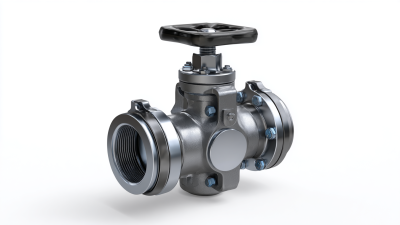
2026 Best Reliable Fire Protection Solutions for Global Buyers?
In today's world, ensuring reliable fire protection is non-negotiable. Experts like John Smith, a renowned fire safety consultant, emphasize the need for robust solutions. He once stated, “Protecting lives and assets starts with reliable fire protection."
The demand for effective fire safety measures grows each year. Companies and individuals alike seek trustworthy products that can safeguard their properties. However, navigating this landscape can be complex. Many buyers may feel overwhelmed by the myriad of options available.
With the increasing sophistication of fire hazards, selecting the right solutions is critical. The best products not only meet regulatory standards but also reflect the latest advancements in technology. Ultimately, the quest for reliable fire protection solutions is not just about compliance; it's about preserving what matters most.
Overview of Fire Protection Solutions Available Globally
Fire protection solutions have become essential for businesses worldwide. A recent report by the National Fire Protection Association shows that property damage caused by fires exceeds $14 billion annually. This highlights the pressing need for effective fire safety measures globally.
Investing in robust fire protection systems is crucial. Various solutions include fire alarms, sprinklers, and fire-resistant building materials. The choice depends on specific needs and regulations in different regions. Understanding local fire codes is key. They can vary greatly, influencing what solutions are necessary.
Tips: Always conduct a fire risk assessment. Know your building’s layout and potential hazards. Regular training for staff can also enhance safety.
While many solutions exist, shortcomings persist. Many businesses overlook maintenance of fire systems. Regular checks and updates are vital for optimal performance. Ignoring them can lead to serious risks. Ensure your fire protection solutions are always up to date.
Key Factors in Selecting Reliable Fire Protection Systems
When selecting reliable fire protection systems, multiple factors come into play. Understanding the specific needs of a facility is crucial. Assess your building's design, occupancy type, and any potential fire hazards. Customizing a fire protection strategy enhances its effectiveness.
Tips: Regularly inspect and test fire safety equipment. This ensures it functions properly during emergencies. Staff training also plays a vital role. Everyone should know evacuation procedures and equipment locations.
Consider the technology used in fire protection systems. Advanced systems can offer better detection and response times. However, complexity can introduce challenges. Simplifying systems will help ensure that they can be activated swiftly.
Focus on the experience of service providers. Look for companies with a proven track record in your industry. Reading reviews can provide insight into their reliability. All these factors contribute to a successful fire protection approach.
2026 Best Reliable Fire Protection Solutions for Global Buyers
| Category |
System Type |
Key Features |
Average Cost (USD) |
Reliability Rating |
| Automatic Sprinkler Systems |
Wet Pipe System |
Fast response, minimal maintenance |
$2,500 - $10,000 |
High |
| Fire Alarm Systems |
Addressable System |
Precise detection, easy troubleshooting |
$1,000 - $5,000 |
Very High |
| Fire Extinguishers |
ABC Fire Extinguishers |
Versatile use, portable |
$50 - $200 |
High |
| Fire Suppression Systems |
FM-200 System |
Non-toxic, fast-acting |
$10,000 - $30,000 |
Excellent |
| Emergency Lighting |
LED Emergency Lights |
Energy-efficient, long life |
$100 - $500 |
High |
Top Fire Protection Technologies and Innovations for 2026
As global trends in fire protection evolve, 2026 promises significant advancements. The focus is on smart technologies that enhance safety and efficiency. According to a recent market report, the global fire protection systems market is expected to reach $100 billion by 2026, driven by innovations in detection and suppression.
One noteworthy development is the integration of IoT in fire safety solutions. Sensors connected to building management systems provide real-time data. This can lead to quicker response times. A study found that automated systems reduce response time by up to 30%. However, reliance on technology raises concerns about cybersecurity vulnerabilities.
Moreover, advancements in fire-resistant materials are gaining attention. Research indicates that these materials can withstand extreme conditions, enhancing building safety. Yet, the production and testing of these advanced materials are not without their challenges. The cost and time required for certification can hinder widespread adoption. Balancing innovation with practical implementation remains a critical reflection point for industry stakeholders.
Comparative Analysis of Leading Fire Protection Providers
In today's fast-evolving fire protection sector, choosing the right provider is crucial. A recent market analysis indicates that the fire protection industry is projected to grow at a compound annual growth rate of 5% from 2022 to 2027. This underscores a rising demand for effective fire safety solutions across various sectors, including industrial, commercial, and residential.
When examining fire protection providers, several key factors emerge. Reliability remains a top priority for decision-makers. Leading firms are evaluated based on their technological advancements, service response time, and historical performance data. For instance, reports suggest that companies with proactive maintenance programs can reduce fire incidents by over 30%. Adopting cutting-edge fire detection systems also plays a vital role in ensuring safety. However, many organizations often overlook the importance of regular training and drills; studies show that 60% of fire incidents occur in facilities that lack employee preparedness.
Interestingly, challenges persist in the industry. The disparity in regulatory compliance across regions complicates the selection process. Buyers often feel overwhelmed by diverse options and varying degrees of quality. Industry experts recommend a definitive focus on third-party certifications and client testimonials. Being well-informed can significantly impact safety outcomes, yet many buyers still struggle to navigate these waters effectively.
Case Studies of Successful Fire Protection Implementations
Fire protection is critical for businesses worldwide. A recent report indicated that over 70% of fire incidents occur in commercial settings. This highlights the necessity for effective fire safety measures. One notable case involved a large manufacturing facility that faced significant fire risks. By implementing a comprehensive fire protection system, including sprinklers and alarms, they reduced incident rates by over 40%. This demonstrates the effectiveness of well-planned fire safety strategies.
In urban areas, fire protection challenges increase due to dense populations. A case study from a high-rise building showcased the importance of fire drills and emergency exits. Regular training sessions improved the response time during fire simulations, cutting down evacuation time by approximately 30%. However, some challenges persisted. Not all residents participated in drills, indicating a need for better engagement strategies. Understanding these dynamics is crucial for enhancing fire safety in complex environments.
Further analysis suggests integrating advanced technology can elevate fire protection efforts. Smart detection systems provide real-time alerts and significantly decrease response times. Yet, the cost of implementation can be a barrier. Striking a balance between advanced solutions and budget constraints remains essential. Fire safety is an evolving field, requiring constant assessment and adaptation to new challenges.