2026 Best Wafer Valve Options for Effective Flow Control Solutions?
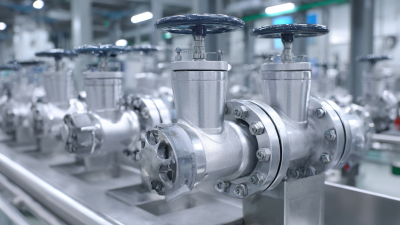
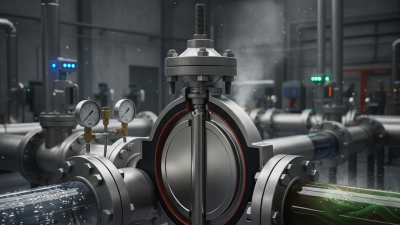
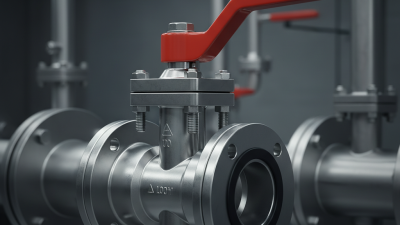
In the quest for effective flow control solutions, the choice of the right wafer valve is crucial. Wafer valves offer a compact design, making them suitable for various applications. Their lightweight structure facilitates easier installation and maintenance, creating an attractive option for many engineers.
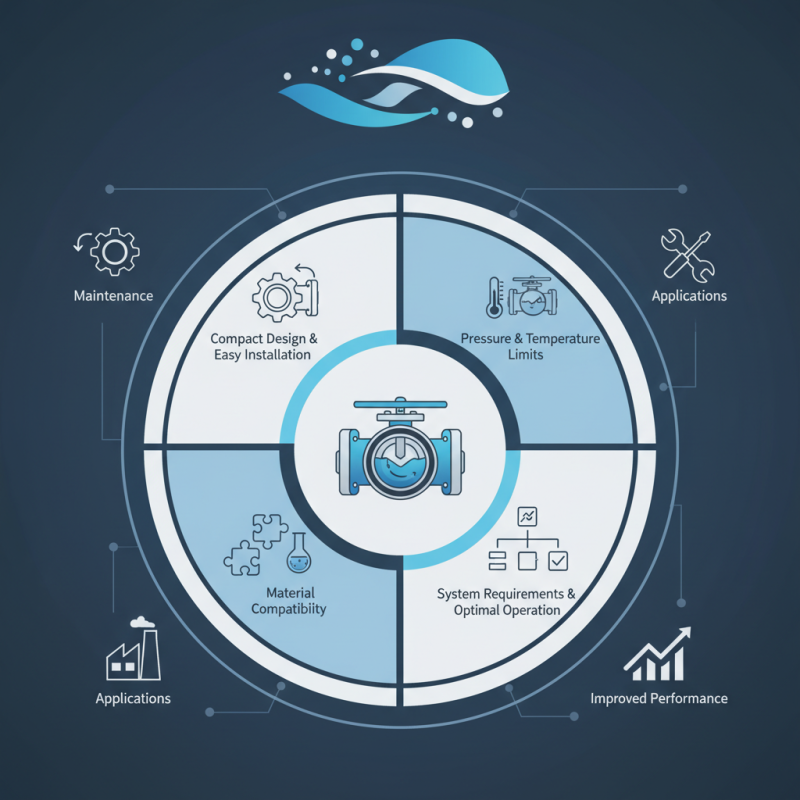
Choosing the best wafer valve can be challenging. The market presents numerous options, each with unique features. It's vital to assess the specific needs of your application. Factors such as pressure ratings, temperature limits, and material compatibility significantly impact performance.
While many options appear promising, not every wafer valve will suit your system requirements. Some may falter under high pressure. Others may not endure extreme temperatures. It's essential to reflect on these aspects when selecting a valve to ensure optimal operation. Understanding the limitations will lead to more informed decisions, ultimately improving flow control performance.
Overview of Wafer Valves and Their Applications in Flow Control
Wafer valves play a crucial role in modern flow control solutions. These compact devices are designed for efficient operation in various applications, including water treatment and chemical processing. According to a recent market analysis, the global valve market is expected to reach $100 billion by 2026, with wafer valves holding a significant share. Their unique design offers minimal pressure drop, making them ideal for energy-saving applications.
In industries that require precise flow management, wafer valves are often favored. Their lightweight construction allows for easy installation in tight spaces. Moreover, they can handle a range of fluids, from corrosive chemicals to viscous substances. This versatility makes them indispensable in sectors such as oil and gas, where tactile flow control is essential. Yet, choosing the right wafer valve is not always straightforward. Many users overlook the importance of material selection and compatibility, leading to unexpected failures.
Applications vary greatly, and each demands specific characteristics from its valve. High-temperature processes may require different materials than those used in cryogenic environments. A recent study indicated that improper material choice can reduce lifespan by up to 30%. These details highlight the need for careful consideration and knowledge in the selection process. Finding the best wafer valve options means reflecting on both application needs and industry standards for effective operation.
2026 Best Wafer Valve Options for Effective Flow Control Solutions
Key Features and Benefits of Wafer Valves in Industrial Settings
Wafer valves are essential in many industrial applications. They provide efficient flow control in pipelines. These valves are lightweight, making installation easier. Their compact design saves space. This is particularly useful in tight installations.
One key feature is the minimal pressure drop during operation. This leads to energy savings, as less power is required to move fluids. They also offer high durability. Materials used can withstand various conditions, including corrosive environments. However, users often overlook proper maintenance. Regular checks can prevent leaks and malfunctions.
The ease of operation is another benefit. Many wafer valves can be automated for remote control. This allows for better precision in flow management. Yet, the cost of automation can be a concern. It’s crucial to evaluate the trade-offs before investing. Balancing upfront costs with long-term savings can be tricky.
Top Brands and Models of Wafer Valves for 2026
In 2026, wafer valves are becoming crucial for effective flow control. These devices offer compact solutions, especially in tight spaces. Reports indicate a projected market growth of 5% annually, driven by rising demand in industries like water treatment and pharmaceuticals.
Top models in the market are praised for durability and performance, yet some may face challenges in specific applications. For instance, certain designs may not handle extreme pressures effectively. Users often report issues with wear and tear, necessitating regular maintenance checks. Industry experts emphasize the importance of selecting the right materials to ensure longevity and efficiency.
Most leading options prioritize ease of installation. However, some models still fall short in user-friendly design. This presents a barrier for engineers who require seamless integration into existing systems. Regular feedback highlights that while many brands claim high performance, real-world application reveals varying success.
Comparison of Wafer Valves: Performance and Cost Analysis
When evaluating wafer valves, performance and cost are critical. A recent industry report noted that wafer valve efficiency can vary significantly based on design and material. For instance, valves made from high-grade stainless steel often offer better flow control compared to those made from lower-grade materials. A study indicates that these superior materials can enhance service life by up to 40%.
Cost analysis also uncovers important insights. According to market research, while premium wafer valves may cost 20-30% more upfront, their durability can lead to lower maintenance expenses over time. However, companies sometimes overlook these long-term savings. They tend to focus solely on initial purchase costs. This can lead to spending more money on replacements and repairs.
Additionally, flow characteristics differ greatly among various models. Some wafer valves are better suited for high-pressure systems, while others excel in low-pressure environments. Users must carefully assess their specific needs. Ignoring flow dynamics can result in inefficient operations. Investing in proper valve selection is essential for optimal performance.
Future Trends in Wafer Valve Technology for Enhanced Flow Solutions
Wafer valves are pivotal in flow control applications. The technology behind these valves is rapidly evolving. According to the Global Flow Control Market Report 2023, the demand for efficient flow solutions is projected to grow by 8.5% annually. This trend indicates a move towards more compact and effective designs. Innovative materials are enhancing the durability and performance of wafer valves. Lightweight composites are particularly noteworthy as they significantly reduce energy costs during transport and installation.
The future of wafer valve technology is closely tied to automation. Smart valves that integrate IoT capabilities are becoming increasingly popular. A survey by the Industrial Automation Report 2023 shows that 65% of manufacturers are investing in smart technology. This shift allows for real-time monitoring and control of flow systems, leading to better efficiency.
However, challenges remain in standardization and cybersecurity. Many industries worry about the security of their data as they transition to smarter systems.
Research shows that training is crucial for effective implementation. A significant percentage of companies report struggles in adapting to new technologies. Investing in workforce education can bridge this gap. Enhanced flow solutions depend not only on technology but also on skilled operators. Only through continuous learning can businesses fully utilize new advancements in wafer valve technology.