2026 Best Home EV Charger Reviews and Buying Guide?
As electric vehicles (EVs) become more popular, the demand for efficient Home Ev Chargers rises. According to Emma Thompson, an industry expert at GreenCharge Solutions, "Choosing the right home EV charger can save you time and money." Her insights highlight the importance of understanding your options in the evolving market of home EV chargers.
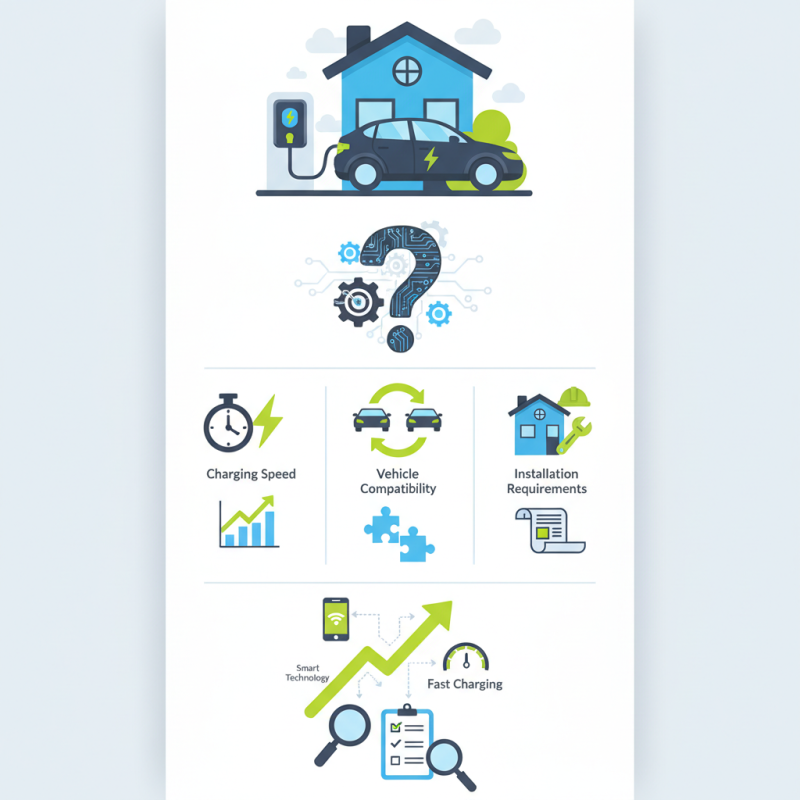
The right home EV charger should match your lifestyle and vehicle. It’s crucial to consider charging speed, compatibility, and installation requirements. Many people overlook these details, leading to dissatisfaction. A careful selection process can enhance your EV experience significantly.
The home EV charger market is rapidly evolving. Innovations and features can overwhelm buyers. Some chargers offer smart technology for energy management. Others focus on speed. Consumers must evaluate their unique needs. Only with thorough research can one make an informed choice that truly suits their requirements.
Best Home EV Chargers Overview: Key Features and Benefits
Home EV chargers are crucial for electric vehicle owners. These chargers provide convenience and efficiency. They allow you to charge your vehicle overnight, ensuring it’s ready for the day ahead. Research shows that 80% of EV charging happens at home, highlighting their significance.
When selecting a home EV charger, consider key features. Charging speed is essential. Level 2 chargers typically offer faster charging than Level 1 models, completing full charges in just a few hours. Compatibility with various vehicle models matters too. Many chargers now come with smart features. You can monitor your charging through an app, optimizing your energy use. A report from the International Energy Agency (IEA) notes that the global stock of electric vehicles exceeds 10 million, emphasizing the rising demand for efficient home charging solutions.
Despite advancements, challenges remain. Installation can be complex and may require electrical upgrades. Additionally, the cost of home chargers can vary significantly, impacting accessibility. The decision should align with your driving habits and budget. As the market grows, staying informed is vital for making the best choice.
2026 Best Home EV Charger Reviews and Buying Guide
| Feature | Charger Type | Charging Speed | Connectivity | Price | Warranty |
| NEMA 14-50 Plug | Level 2 | 25 miles/hour | Wi-Fi & Bluetooth | $499 | 3 years |
| Smart App Integration | Level 2 | 30 miles/hour | Wi-Fi | $599 | 5 years |
| Portable Design | Level 1 | 4 miles/hour | None | $299 | 1 year |
| Hardwired Installation | Level 2 | 24 miles/hour | Wi-Fi | $450 | 2 years |
| Dual Charging Ports | Level 2 | 30 miles/hour | Wi-Fi & Ethernet | $699 | 3 years |
Types of Home EV Chargers: Level 1 vs. Level 2 vs. DC Fast Charging
When considering home electric vehicle (EV) chargers, it's crucial to understand the differences between types. Level 1 chargers use a standard household outlet. They are easy to install but can be slow. Typically, a full charge may take up to 12 hours. This option is best for casual drivers who use their EVs primarily at home.
On the other hand, Level 2 chargers require a dedicated circuit. They can recharge most EVs in just a few hours. This speed makes them ideal for daily commuters. Installation may involve some cost, but the time saved is significant. For those with high daily mileage, investing in a Level 2 charger can pay off.
DC Fast Charging is a more advanced option. It provides rapid charging, often in 30 minutes or less. However, not every home can accommodate this type of charger. It’s typically found at public charging stations. For longer trips, being aware of charging locations is essential. Many EV owners may find themselves relying on both home and public chargers to meet their needs. Understanding these options is key to making the right decision.
Top 2026 Home EV Charger Models: Performance and Customer Ratings
When selecting a home EV charger, performance and customer ratings are crucial. A high-quality charger can significantly reduce charging time and enhance the overall experience. Many users prioritize fast charging capabilities and ease of use. Look for models that offer adjustable power settings. This feature ensures compatibility with various EV types. Wireless connectivity can also enhance the user experience.
Customer ratings reveal a lot about real-world performance. Many models receive rave reviews for reliability and speed. Users appreciate chargers that are compact yet powerful. Some models, however, struggle with software issues. Regular updates can address bugs but don’t guarantee a flawless experience. Build quality should not be overlooked. Some chargers may look good but don’t last due to poor materials.
Installation is another vital aspect. Some chargers require professional setup, while others allow for DIY installation. Read reviews to understand the installation experience better. Cost is also a factor. Well-reviewed models can be more expensive, yet investing in a reliable charger pays off over time. Consider a balance between price and performance to make an informed choice.
Factors to Consider When Buying a Home EV Charger
When selecting a home EV charger, it's crucial to consider multiple factors to ensure the best fit for your needs. One major aspect is power output. Most home chargers range from 3.3 kW to 22 kW. If you have a larger battery or multiple EVs, a higher output might be beneficial. According to a report by the U.S. Department of Energy, different vehicles have varying charging rates that affect how quickly they can recharge.
Another factor is installation requirements. Some units require dedicated circuits. Understanding your home's electrical capacity is essential. Professional installation is often recommended for safety and efficiency. Neglecting this step can lead to unexpected issues down the line.
Tips: Look for chargers with smart features. They often provide insights on energy consumption and charging status. Also, check for wiring compatibility with your electric system. Compatibility can save you time and money on installation.
Consider the warranty and support services. EV chargers can be an investment. Selecting a unit with strong customer service can alleviate concerns over potential future issues. Buying from reputable sources can also increase reliability and peace of mind.
Installation Process for Home EV Chargers: What Homeowners Need to Know
When installing a home EV charger, homeowners should consider a few essential factors. The location of the charger is crucial. It should be easily accessible and close to the parking area. Adequate ventilation is necessary, especially if you have a closed garage. Also, ensure that the area is free from potential hazards.
Homeowners often overlook electrical capacity. It's vital to check if your home’s electrical system can handle the extra load. You might need an electrician to assess your current setup. This process can be more complicated than it seems. An experienced electrician would guide you on the best options for your home.
Another common challenge is securing permits. Not all areas require them, but some do. Research local regulations to avoid potential fines. It’s worth reaching out to your local authority for clarity. Understanding these aspects can save time and money in the long run. Planning and preparation can lead to a more straightforward installation process.